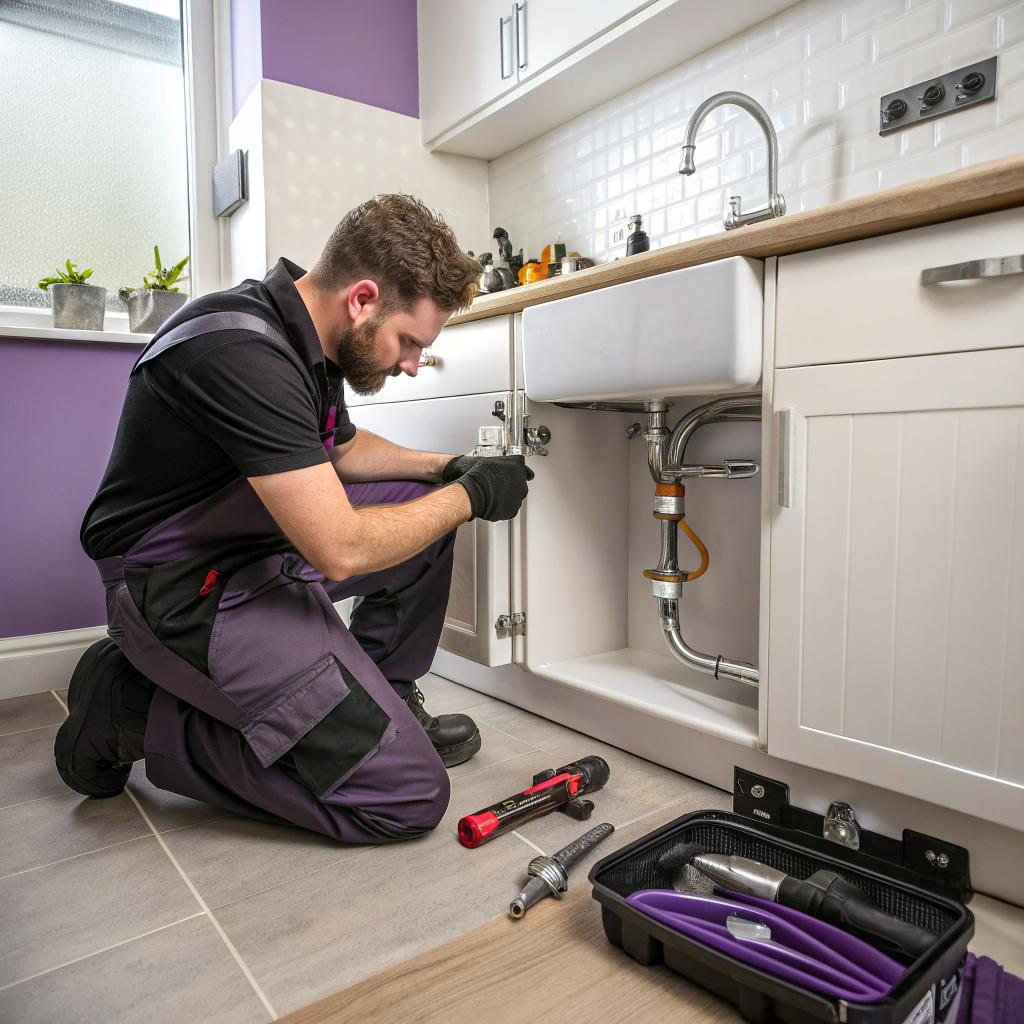
I used to think smart home problems meant app glitches or a dead Wi‑Fi mesh node. Then a friend with a fully wired house called me at 2 a.m. because a tiny cracked pipe almost drowned his home office and half his gear.
The short answer: every smart home needs an emergency plumber San Fernando on speed dial because water damage ignores your sensors, your schedules, and your phone alerts. When a line bursts behind a wall, or a smart toilet starts leaking into the floor below, you need someone who understands both plumbing and how it affects your connected devices, your power, and your data, and who can get there fast enough that your investment does not turn into a soggy mess.
Why plumbing matters more when your home is “smart”
I think a lot of tech‑minded people treat plumbing as background noise. Out of sight, out of mind. We track ping times, but not water pressure.
That is fine until you realize how much of your smart home sits a few centimeters away from pipes.
Your smart home probably has at least some of this:
- Smart washing machine in the laundry room, tied into water lines
- Smart dishwasher and leak sensors in the kitchen
- Smart thermostat near condensate lines from HVAC
- Smart toilets, bidets, or touchless faucets in bathrooms
- Server rack, NAS, or gaming setup in a room that shares a wall or ceiling with plumbing
One bad fitting above your office, one failed connection behind a smart fridge, and you are not just fixing drywall. You are replacing routers, speakers, consoles, and probably a couple of laptops.
In a smart home, a plumbing failure is rarely “just” a plumbing problem. It is a risk to your hardware, data, and electrical system at the same time.
So the question is not “Do I want a plumber?” but “Who is the person I trust when my leak sensors start screaming at 3 a.m.?”
How smart homes fail when plumbing goes wrong
We tend to picture worst‑case plumbing events as movie scenes. Ceiling collapses, water pouring like a waterfall. Reality is less dramatic but more damaging.
1. High‑risk smart home zones
Here is where tech and plumbing collide in a typical San Fernando home.
| Area | Common Smart Devices | Plumbing Risk | What Can Go Wrong |
|---|---|---|---|
| Kitchen | Smart fridge, dishwasher, leak sensors, voice speaker | Supply lines, drain clogs, garbage disposal | Slow leaks into cabinets, damaged outlets, mold behind appliances |
| Bathroom | Smart toilet, bidet, smart mirror, ambient lighting | Overflows, wax ring failure, supply line bursts | Water through ceiling below, fried light transformers, ruined smart switches |
| Laundry | Smart washer, Wi‑Fi access point, camera, sensors | Hose rupture, drain backup | Floor flooding, damaged APs, shorted outlets |
| HVAC / Utility | Smart thermostat, sensors, some have hubs here | Condensate line clogs, water heater leaks | Ceiling stains, hidden mold, water near electrical panels |
| Home Office / Rack | Router, NAS, UPS, IoT hub, cameras | Nearby bathroom or kitchen wall / ceiling | Drips onto gear, UPS failure, data loss |
That table looks a bit dry, but each cell could be a horror story.
A tiny drip behind a dishwasher can slowly soak the cabinet floor and the wall. By the time you notice, your sensor might be fine, but the GFCI outlet near it is corroded, and your Home Assistant box sitting on that shelf has been breathing humid air for months.
2. Sensors help, but they are not magic
I like leak sensors. I use them. I recommend them.
But they have blind spots:
- They trigger when water reaches the sensor, not when the leak starts
- They miss slow vapor leaks inside walls or ceilings
- They depend on Wi‑Fi or a hub that might share power with the thing being flooded
- People sometimes silence alerts and then forget to follow up
So yes, put sensors everywhere that makes sense. Just do not assume that because you have ten Zigbee pucks on the floor, you no longer need a human who knows how a 20‑year‑old copper line behaves after a hot week in the valley.
Smart sensors reduce reaction time, but they do not replace a trained plumber who can trace a leak you cannot see, inside structures you should not open randomly.
3. Why “emergency” is not an exaggeration
Water damage escalates fast:
- First hour: carpets and lower drywall get wet, a few outlets might be at risk
- Next few hours: water travels along beams and wiring, reaches rooms you did not expect
- Day 1 to 2: swelling, warping, mold starting, electrical corrosion
If that water is near power strips under your desk or an extension cord feeding your 3D printer, it is not only about drying things out later. You need someone who can shut off the correct supply lines safely and fix the source before you start moving gear around.
Without that, you are basically watching your smart home turn into a very expensive, very wet science project.
How a good emergency plumber fits into a smart home strategy
There is this quiet assumption that “old school” trades and “new school” tech live in separate universes. I do not think that holds up anymore.
A plumber who understands that you have:
- Smart shutoff valves on the main line
- Leak sensors in key rooms
- Smart thermostats near condensate lines
- A rack or networking closet in a specific location
can work with your system instead of fighting it.
1. Faster response, fewer guesses
When you call an emergency plumber, the call itself is part of your incident response.
You can share details that come straight from your smart devices:
- “The leak sensor under the upstairs bathroom vanity triggered at 1:12 a.m.”
- “Water flow monitoring shows a spike on the cold line for 15 minutes before I shut off the main”
- “I have already cut power to the outlets in the hallway with my smart panel”
Someone skilled in plumbing can use that information to narrow down the failure point before they even arrive. Less time poking at random walls, more time fixing the actual break.
Think of your emergency plumber as part of your smart home stack, just not the kind that ships with an app icon.
2. Planning around your gear, not through it
Many older houses in San Fernando have:
- Mixed copper and PEX lines
- Odd bathroom additions from the 80s or 90s
- Repairs layered over repairs
Add routers, PoE injectors, and hub wiring in closets and under stairs, and you get a puzzle.
A plumber who gets that your “closet” is actually a mini data center:
- Will not cut into that wall without warning you first
- Will plan access routes that avoid your low‑voltage runs
- Can help you move critical hardware if they need to open a ceiling
This sounds minor until you have someone swing a saw through drywall a few inches from your fiber run.
3. Future‑proofing with smart plumbing choices
Not every emergency plumber wants to talk about gear, but some do. If you find one who is curious, that is a good sign.
You can discuss:
- Where to install a smart main shutoff valve so it is easy to service
- Which older valves or lines are likely to fail under local pressure and temperature swings
- How to arrange shutoff points so your home can isolate zones when there is a leak
Suddenly your plumbing is not a mystery behind walls. It is a map that fits alongside your Wi‑Fi heatmap and your breaker panel chart.
Practical steps: how to prepare your smart home for a plumbing emergency
Now to the part that feels less theoretical and more like a checklist. Not a complete one, but enough to matter.
1. Build a simple plumbing map for your house
You do not need CAD. A rough, honest sketch is fine.
- Print a basic floor plan or draw boxes for rooms
- Mark toilets, sinks, showers, tubs, washing machine, dishwasher, fridge line, and water heater
- Draw approximate routes where you suspect pipes run, based on fixtures and where walls line up
- Mark your main water shutoff location and any local shutoff valves
Then overlay your tech:
- Routers and mesh nodes
- Home server or NAS
- Wall mounted tablets or control panels
- Power strips and high‑value electronics
You will likely see a few problem areas where gear sits directly below bathrooms or near potential leak points. This is not about panic. It just tells you where a leak would hurt the most.
2. Decide what “emergency” means for your setup
Not every leak is a 3 a.m. call situation. Some are “fix this week” problems.
You can think in levels:
| Level | Example Situation | Typical Response |
|---|---|---|
| Low | Slow drip under a sink caught in a bucket, no electronics nearby | Schedule regular visit, watch the area |
| Medium | Intermittent toilet leak staining the ceiling below, some wiring nearby | Call for near‑term visit, protect devices underneath |
| High | Leak sensor alert, water spreading fast, near outlets or smart gear | Shut off water, cut power if needed, call emergency plumber |
The point is to decide your own thresholds before something goes wrong. During a real event, your brain will be busy. Having pre‑decided what “high level” looks like helps.
3. Make a real emergency plan, not just an app shortcut
Here is a simple structure that works for many homes:
- Step 1: Confirm the problem
- Check where the alert came from: which room, which sensor
- Physically inspect if it is safe to do so
- Step 2: Stop or slow the water
- Use smart shutoff if you have it, or
- Go to the main valve and turn it off manually
- If a fixture has its own shutoff and the leak is local, use that instead
- Step 3: Protect hardware
- Unplug power strips or use smart plugs to cut power to affected circuits
- Move small devices out of the danger zone if it is safe
- Step 4: Call your emergency plumber
- Have their number saved in your phone and written near your panel
- Be ready to share what your sensors and shutoff logs show
You can also add this sequence as a note in your home automation system or a shared document with housemates or family.
Choosing the right emergency plumber for a tech‑heavy home
Not every skilled plumber wants to think about smart devices, and that is fine. You just need one who respects that your home has both pipes and packets.
1. Questions to ask before you need them
A short call can tell you a lot. You can ask:
- “Do you handle emergency calls in San Fernando at night and on weekends?”
- “Have you worked in homes with smart leak sensors or smart shutoff valves?”
- “How do you feel about customers using their home data to help you locate problems?”
- “Are you comfortable shutting power at a panel if water is near electrical equipment?”
You are not looking for a perfect answer. Just someone who is not dismissive about tech or reckless around wiring.
2. Clear expectations about access and gear
You can set a few ground rules that keep your setup safe:
- Explain where your server, NAS, or any critical electronics are
- Point out any low‑voltage wiring runs that are not obvious
- Ask to be told before any wall or ceiling cuts near your equipment
- Mention if you have any special power setup like a transfer switch or large UPS
This is not about making their job harder. It is about avoiding small accidents that cost you more than the repair itself.
Tech additions that actually help your plumber help you
You do not need a smart version of everything, and some products are overkill. But a few things genuinely assist both you and your plumber.
1. Smart main shutoff valves and why they matter
A good smart main shutoff:
- Lets you close the main from your phone if you are away
- Can pair with flow sensors to detect continuous use that looks like a leak
- Can trigger scenes, like shutting off certain outlets when a major leak is detected
From the plumber’s side, it gives:
- Precise control without fiddling with stuck outdoor valves
- A log of pressure and flow changes over time, in some models
- A predictable point where water can be cut to work safely
That last one matters a lot during an emergency.
2. Leak sensor placement that is actually useful
Overdoing sensors can be as bad as having none because you start to ignore alerts. Strategic placement works better.
Good spots:
- Under sinks, near the back where drips run
- Behind toilets near the wall, close to the supply line
- Under or behind washing machines and dishwashers
- By the water heater and under AC air handler condensate pans
Not so good spots:
- Middle of rooms with no nearby plumbing
- Places where mopping or regular cleaning often splashes water
You want sensors where a real leak would reach first and where a false alarm is unlikely.
3. Simple logging that makes sense in a crisis
Your smart home can give you data, but it should also give you quick answers:
- Set up a dashboard that shows recent leak alerts, with timestamps and locations
- Log water usage if your system supports it, so you can say “We saw a big spike at this exact time”
- Keep photos of each shutoff valve, labeled, in a shared album
During a call with a plumber, saying “the under‑sink sensor in the upstairs bath triggered at 3:15, and we saw a flow spike at the same time” reduces guesswork by a lot.
Realistic scenarios: how this plays out in actual homes
Stories stick better than bullet points, at least for me.
Scenario 1: The smart washer that almost took out a home lab
A smart washing machine in a San Fernando home sits on the second floor, right above a room with a custom PC setup, a NAS, and a rack of networking gear.
One day, a cold‑water hose starts to fail at the connection. Slow, barely visible seep at first. The homeowner has a leak sensor beside the washer, not directly behind it.
By the time the sensor triggers, water has already started to seep under the wall and down into the room below, dripping near a smart power strip under the desk.
Because the homeowner:
- Knew where the main valve was
- Had an emergency plumber contact ready
- Had their gear on a raised shelf, not directly on the floor
the sequence went like this:
- Leak alert triggers on phone
- Main shutoff activated via smart valve
- Power strip turned off through app
- Call placed to the emergency plumber with clear information
Damage was limited to some flooring and a bit of ceiling repair. The NAS and PCs survived.
Without that mix of tech and a human ready to respond, that story gets much more expensive.
Scenario 2: Slow shower leak over a smart living room
Different kind of problem. A slightly misaligned drain in an upstairs shower lets water escape into the subfloor. No loud leak, no dramatic event.
The living room below has:
- Ceiling speakers
- Recessed smart lighting
- A couple of smart switches
Over months, moisture creeps into the cavity around a junction box. A faint yellow stain appears on the ceiling near one of the lights. There is no leak sensor here because nobody thought to put one in a ceiling.
Someone finally notices a flicker from the light. They shrug it off. A month later, the stain grows, and a different light starts to glitch.
When they call a plumber early, the repair is smaller:
- Localized opening of the ceiling
- Fixing the shower issue and drying the cavity
- Minor electrical inspection
If they wait until the ceiling sags or the light short circuits, the cost and disruption go up.
It is not dramatic, but it is the type of quiet risk that makes having a trusted plumber to call worth it.
How this ties back to the way tech people think
If you work in tech, you already know the value of:
- Redundancy
- Monitoring
- Clear incident response
- Trusted external experts
Your home is not that different. Water is just another failure mode.
You already monitor CPU temp, battery cycles, uptime. Plumbing is another system to monitor. Leak sensors are like logs. Smart shutoff valves are like automated remediation. Your emergency plumber is on call support.
The twist is that in a house, physical damage hurts more than a crashed service. You cannot just restart a soaked NAS.
So it makes sense to put as much thought into “what do I do if a pipe bursts above my gear” as “what do I do if my router reboots during a deployment.”
Common questions about smart homes and plumbers
Do I really need someone local, or can any plumber handle this?
You want someone who can reach you fast in San Fernando traffic during off hours. A generic number that sends whoever is available from far away might not help you when minutes count.
Also, local plumbers know common building layouts and quirks of the area, like typical pipe materials in certain neighborhoods or old remodel habits.
Is it worth paying extra for emergency rates?
Sometimes yes, sometimes no. If water is already on the floor heading for power strips, paying extra is usually cheaper than replacing hardware, flooring, and dealing with mold later.
For a slow leak that you can fully control by shutting a local valve and drying the area, you can often wait for regular hours. That is where knowing your own “levels” helps.
Can I just rely on smart shutoff and skip the plumber?
Smart shutoff is good at stopping water flow. It does not fix:
- The cracked fitting
- The corroded valve
- The misaligned drain
- The wrong type of pipe for the pressure and temperature in your house
You still need someone to repair the cause. Otherwise you are just playing whack‑a‑mole with the main valve.
What one thing should I do this week if I care about all this but feel busy?
If you only do one thing, walk around your home and locate:
- The main water shutoff
- Any fixture shutoffs under sinks and behind toilets
Then put that info and a chosen emergency plumber number in a note on your phone and near your electrical panel.
It is boring, but when an alert comes through at night and you are half awake, that tiny bit of prep feels like a superpower.
If you had to pick one weak point in your own smart home right now, is it your network, your power, or your plumbing?