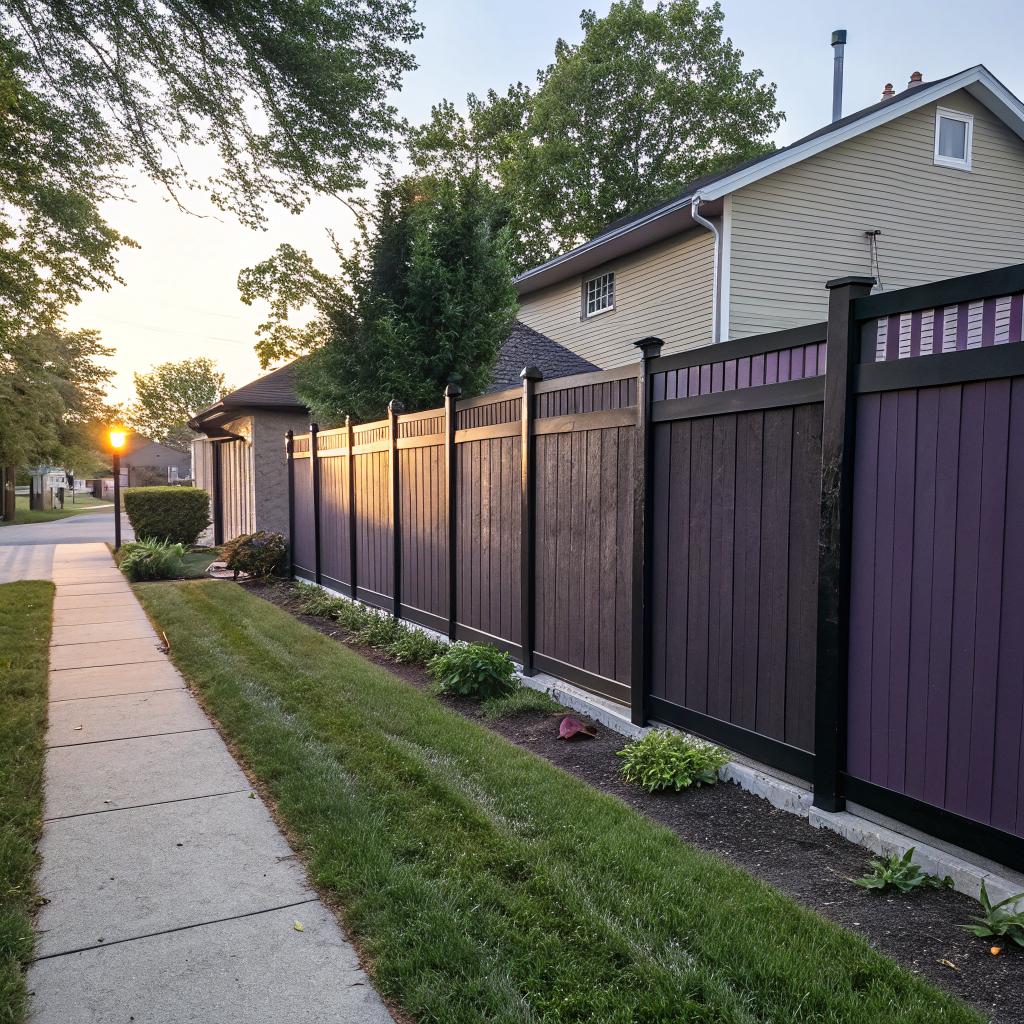
I used to think a fence was just some lumber in the yard that you forget about until it falls over in a storm. Then I tried to connect outdoor cameras, smart locks on the side gate, and Wi‑Fi sensors, and I realized the fence is part of the whole smart home system whether we like it or not.
If you live in Cypress and you just want the short answer: a good smart‑ready fence is one that is sturdy, meets HOA and city rules, has power or solar where you need it, supports things like cameras and sensors, and is installed by someone who understands both privacy and tech. In most cases, that means planning your layout first, picking the right material and height, then hiring a reliable local pro for fence replacement Cypress and building your smart gear around that.
Once I started looking at fence projects this way, a lot of things changed. Suddenly it was not just “replace old wood with new wood.” It was “how do I protect my Wi‑Fi cameras from weather, keep the neighbors happy, and not blow up my budget with gadgets I will stop using in three months?” If that sounds familiar, you are in the right place.
Why your fence matters in a smart home setup
Most people think of routers, hubs, and apps when they think of tech at home. The fence feels old school. But it affects almost every outdoor device you install.
Here is how your fence quietly shapes your smart home:
- It sets the line between your space and public space, which affects where you can point cameras and sensors.
- It blocks or reflects Wi‑Fi and cellular signals more than many people expect.
- It gives you mounting points for cameras, lights, antennas, and even small solar panels.
- It changes how secure your yard is against actual people, not just alerts in an app.
A fence that works with your smart gear is usually more effective than one more camera that fights against bad placement or weak signal.
If your current fence is rotting, leaning, or just not the right style for modern hardware, then replacement is often smarter than trying to patch it forever. At some point, the cost of constant fixes plus tech “workarounds” gets higher than starting fresh with a clear plan.
Signs your fence is ready for replacement, not just repair
You do not need a degree in construction to spot a fence that has passed its useful life. A quick walk and a few simple checks go a long way.
Physical red flags
Look for things like:
- Posts that move when you push on them. This usually means rot at the base or failed concrete.
- Boards that crumble, splinter, or feel spongy when you press with a screwdriver.
- Sections that lean like they are tired of standing and might give up in the next storm.
- Obvious termite or insect damage, especially near soil contact.
- Rust on metal rails or posts that is not just surface color but flakes off in layers.
If one small panel is off, you might fix it. If half the line fails this test, replacement is often more honest.
Tech‑related red flags
This is the part people overlook.
Ask yourself:
- Is the fence too short for the privacy you want when you place outdoor cameras or smart lights?
- Are there big gaps that keep triggering motion alerts because your camera sees everything, including the street?
- Is there nowhere sturdy to mount a camera or a smart lock without it looking odd or wobbly?
- Does the fence layout limit where you can place an access gate for package drop boxes or smart deliveries?
If your fence layout keeps forcing you into weird camera angles, endless false alerts, or ugly wiring, it may be time to rethink the structure, not just the gadgets.
Planning a smart‑friendly fence in Cypress
Before you pick materials or call an installer, you need a small plan. It does not have to be fancy. You just want clarity on what the fence needs to do, both physically and digitally.
Step 1: Map your yard and tech zones
Grab a notepad or a drawing app and sketch:
- House outline
- Current fence line
- Gates and driveways
- Outdoor outlets and where your router is inside
- Areas you care about: pool, kids play area, pet run, side yard, trash bin area
Then think about where devices might go:
- Cameras at gates and corners
- Smart locks or keypads on side gates
- Floodlights with motion sensors along darker runs
- Environmental sensors, like water leak or pool gate alarms
Treat your fence like a backbone for outdoor tech: it carries some of the weight, power, and line of sight for everything around it.
When you see it on paper, blind spots and awkward corners stand out. Better to notice those before you spend money.
Step 2: Check local rules and HOA requirements
Cypress has zoning rules, and most neighborhoods have HOA guidelines on:
- Fence height and materials
- Setbacks from sidewalks or property lines
- Fence style facing streets or neighbors
- Pool safety rules around gates and latches
Tech adds another layer. Some HOAs care if cameras point over the fence into neighbor yards. Some are picky about visible conduit, solar panels on the fence, or tall antenna mounts.
If you are planning smart gear, make a quick list and ask:
- Can I mount cameras on the fence facing my yard only?
- Are smart locks or keypads on gates allowed?
- Any rule about wired lighting vs solar lights on fence posts?
This sounds boring, but it is easier than arguing after the fact.
Step 3: Decide your privacy and security level
Different people want different things from a fence:
- High privacy: solid fence, taller height, fewer gaps.
- Moderate privacy: board‑on‑board or shadowbox that lets some airflow in.
- Low privacy: metal or rail fences where seeing through is fine, but security still matters.
Think about your cameras here. If the fence is solid and tall, cameras might be better on the house facing down, not sitting on every post looking over the top. If the fence is open metal, you may want cameras and sensors closer to the line.
A smart home that respects privacy starts with clear boundaries: what you see, what neighbors see, and what your devices record.
You might change your mind halfway through this section, and that is fine. Real planning often works that way.
Choosing materials with tech in mind
Fence material is not just about how it looks. It affects Wi‑Fi signal, sensor range, and how easy it is to run cables cleanly.
Here is a quick comparison.
| Material | Signal impact | Tech mounting | Typical use |
|---|---|---|---|
| Wood | Moderate blocking, better than brick | Easy to screw into and run hidden cables | Privacy, warm look, flexible for smart gear |
| Vinyl (PVC) | Moderate blocking | Mounting possible, careful drilling needed | Low maintenance privacy, simple style |
| Wrought iron / steel | Blocks and reflects, can cause signal weirdness nearby | Very sturdy for mount points, cabling a bit more exposed | Decorative, security where visibility is ok |
| Aluminum / metal panels | Strong blocking, almost like a Wi‑Fi wall | Good mounts, but may need more access points | Modern look, higher security |
| Brick / masonry | Heavy blocking, sometimes dead zones nearby | Mounting needs anchors, difficult to adjust later | Long life, strong privacy and sound reduction |
Wood fences for smart homes
Wood is still common in Cypress and works well with tech:
- Easy mounting: cameras, lights, antennas, and boxes screw in easily.
- Hidden wiring: you can run low‑voltage cables along rails and under caps.
- Repairable: individual boards or sections can be replaced if you misjudge a mounting spot.
The tradeoff is maintenance. Paint or stain, rot checks, and keeping posts healthy. If you are already doing other smart upgrades, you might not want another ongoing chore. But wood is forgiving for experiments. If you think you will move devices around, wood can be kinder.
Vinyl fences with tech
Vinyl does not rot, which is nice, but can be trickier for mounting:
- You need the right screws and backing to avoid cracking panels.
- It is harder to hide wires inside the fence itself.
- You usually rely more on surface conduit or wireless solutions.
For simple smart setups like battery cameras and solar lights, vinyl is fine. If you want wired PoE cameras and hardwired lighting, you need more planning and maybe some expert help.
Metal and masonry options
Metal and brick fences last a long time, but they act like walls for wireless signals.
You might notice:
- Weaker Wi‑Fi in yards that sit behind solid metal or brick runs.
- Weird reflections that cause spotty camera connectivity on 2.4 GHz and 5 GHz bands.
The upside is security and durability. They are strong mounting points for cameras and lights. For a tech‑heavy yard with this type of fence, you may need outdoor access points or mesh nodes closer to the fence line. That is not hard, but it is one more box on your to‑do list.
Smart features to plan around your new fence
The fence replacement itself is only half the story. The rest is how you hook your smart gear into it.
Cameras and video doorbells
People often place cameras too high or too low. For fences, aim for:
- Height around 7 to 8 feet, enough to see faces, not just hats.
- Angles that cover gates and entry points, not the entire street.
- Stable mounting spots that do not shake when the gate closes.
You have two main power choices:
- Battery and solar cameras for flexible placement with no wiring.
- PoE cameras for stable power and network over a single cable.
For PoE, plan where conduit can run:
- Along fence rails and down posts
- Buried in shallow trenches from the house to posts
Try to keep cable runs under the standard limits for Ethernet, and avoid tight bends.
Smart locks and access control on gates
Smart locks are not just for front doors. Side gates and backyard entries are often weak spots.
When you design a new fence, think about:
- Gate swing direction and how much space the lock body needs.
- Power: battery locks vs wired maglocks or strikes.
- Mechanical backup so you are not stuck if tech fails.
Options include:
- Battery smart deadbolts or latches rated for exterior gates.
- Keypads with separate mechanical latches.
- Magnetic locks for higher security installs, but these need wiring and usually pro setup.
For renters or people unsure about going full smart right away, you can plan a gate that physically supports a future smart lock: proper solid frame, enough clearance, no flimsy posts.
Smart lighting along the fence
Lighting is less flashy than cameras, but it might be the best security feature you install.
Think in layers:
- Low level path lights near the ground for safe walking.
- Mid level wall lights or fence‑mounted fixtures for general light.
- Motion floodlights at gates and dark corners for alerts and deterrence.
Power choices:
- Wired low‑voltage systems with a transformer near the house.
- Smart bulbs or fixtures on existing circuits.
- Solar lights for spots far from power, with realistic expectations about brightness.
You can tie lighting scenes into your home platform:
- Turn on corner lights when a camera detects a person.
- Boost brightness when the doorbell rings at night.
- Turn on a path when the side gate opens
This is where the fence starts to feel like part of the system, not just background.
Network and power planning for a tech‑ready fence
This part often feels more annoying than picking a fence style, but it saves headaches later.
Managing Wi‑Fi coverage
Fences, trees, and house walls all share one thing. They get in the way of Wi‑Fi.
You can test your yard:
- Walk the fence line with your phone and check Wi‑Fi signal strength.
- Watch for dead zones or spots where speed drops badly.
If you see big gaps, think about:
- Outdoor mesh nodes mounted under eaves or on sturdy fence posts.
- Directional antennas pointing toward distant corners of the yard.
- Moving your indoor router closer to the yard side of the house.
Do not overcomplicate this. Start with one change and retest. You do not need perfect bars everywhere, just enough for reliable camera and sensor connections.
Running power safely
Outdoor power deserves caution, but you do not have to be an electrician to plan the basics.
Common options:
- Use existing outdoor outlets with weatherproof covers, then run low‑voltage from there.
- Add new outlets near the fence line during the fence project if you are already digging.
- Embrace low‑power wireless gear with internal batteries and small solar panels.
Low‑voltage cables often:
- Travel along the bottom rail or top rail inside the yard side of the fence.
- Drop down posts in plastic conduit at corners and gates.
- Run underground where you cross paths or open areas.
If you feel unsure about high‑voltage work, which is reasonable, you can still handle the low‑voltage side and let a pro add or adjust the main outlets.
Balancing privacy, security, and neighbor relations
Tech on fences can cause tension. Not everyone likes the feeling of being recorded, even if your cameras point at your own yard.
Camera angles and zones
Practical steps to avoid drama:
- Aim cameras at your property, not windows or decks of neighbors.
- Use privacy zones or black‑out areas that many camera apps offer.
- Limit audio recording if your system allows it, or at least be thoughtful.
Sometimes a short chat with neighbors before you mount visible devices goes a long way. You do not need permission for everything, but a simple “Here is what the camera covers, it does not record your yard” can calm nerves.
Pets, deliveries, and guest access
A smart fence setup is not only for intruders.
Use tech for normal life:
- Smart gate locks for dog walkers or lawn services, with time windows on their code.
- Cameras focused on package drop zones inside the fence line.
- Presence‑based rules so lights and cameras behave differently when you are home.
Sometimes this reveals small design misses. For example, a gate that opens the “wrong” way can block a camera view. A simple fence design tweak can fix that before you pour concrete.
Working with pros vs DIY in Cypress
You can build a fence yourself if you have the time, tools, and patience. But many people in Cypress end up hiring a company, especially for larger yards or stricter HOAs.
Here is how to think about the choice.
When DIY makes sense
DIY might fit if:
- Your lot is small and simple.
- You already have some tools and basic skills.
- You are fine with a few imperfections or slower progress.
The benefit is control. You know exactly where every wire and screw goes. The downside is that mistakes can add up, like mis‑set posts or sagging gates, which affect tech gear later.
What to ask a fence company
If you bring in pros, ask questions that touch both physical build and tech support.
Some good ones:
- Have you done fences where people added cameras or smart locks?
- Are you able to leave access holes or conduit paths for low‑voltage wiring?
- How do you handle gates so they stay aligned over time?
- Can you coordinate with my electrician or low‑voltage installer if needed?
You do not need them to be tech experts. You just want them not to work against your setup. Small details like where posts go, how straight the line is, and how solid the gates are matter for smart hardware reliability.
Cost, lifespan, and tech “future proofing”
“Future proof” is a big phrase that rarely holds up for gadgets. But you can at least avoid obvious regrets.
Thinking in time spans
Your router might change every few years. Cameras and smart locks maybe every 5 to 7 years.
A fence, though, you hope will last much longer:
- Wood: often 10 to 20 years, depending on care and climate.
- Vinyl: 20 years or more with minimal care.
- Metal and brick: several decades with occasional maintenance.
So the main strategy is this:
- Make the fence strong and flexible.
- Make the tech easily replaceable.
That might look like:
- Running generic conduit paths instead of embedding cables in concrete.
- Using junction boxes at post tops where devices plug in, not hardwired forever.
- Leaving spare cable loops for future devices.
Then if your smart platform changes from one brand to another, or from Wi‑Fi to Thread or something else, the fence does not care. It just keeps holding things up.
Budgeting without going overboard
You can spend a lot on both fences and smart gear. Or you can be more selective.
A simple approach:
- Decide your fence budget first, by material and length.
- Carve out a separate tech budget that you are honestly comfortable losing if you get bored or switch brands.
- Prioritize gear that helps daily, not just “nice to have” gadgets.
For example, cameras at gates and smart locks on side entrances often see daily use. Fancy color‑changing fence lights that sync to music might be fun for a few weeks, then sit mostly off.
Try to match spending to habits, not to product marketing.
Real‑world example layout for a Cypress yard
To make this feel more concrete, here is a simple example layout for a typical suburban lot.
Scenario
Single story house, fenced backyard, side gate from driveway, small patio. You want better security and privacy without making the yard feel like a bunker.
Possible plan:
- New 6 foot wood privacy fence around the back and sides.
- Reinforced side gate with metal frame and smart lock ready latch.
- Conduit run from the garage to the side gate post for power and data.
- Outdoor Wi‑Fi access point under the eaves facing the yard.
- Two PoE cameras on fence corners pointed inward, not over neighbor yards.
- Solar motion lights on posts near darker corners.
- Low‑voltage path lights from patio to back gate.
This is not a fancy Hollywood system. It just uses the fence as structure:
- Cameras use the height and angles of corners.
- Lights mount on posts so you do not need tall poles.
- Gate is strong enough for a smart lock without sagging.
You can later add small extras, like a package shelf behind the side gate or a contact sensor on the gate tied into your alarm.
Common mistakes when mixing fences and smart tech
People who care about tech often focus on devices and apps, then get frustrated when the fence side of the project undermines everything.
Here are some frequent missteps.
Mounting gear before the fence settles
Fresh wood fences move a bit as they dry and settle. Posts might shift slightly, gates adjust, boards shrink a bit.
If you bolt heavy cameras and conduits on too fast:
- Angles shift and camera views drift.
- Conduits crack or pull from fittings.
- Gates stop closing cleanly because the extra weight compounds settling issues.
If possible, give the fence a short break‑in period before you attach a lot of gear, or at least keep mounts loose enough that you can adjust later.
Ignoring thermal and weather effects
Texas heat, direct sun, occasional storms, and humidity all age tech.
Try to:
- Mount devices where they have some shade or air flow when possible.
- Use enclosures rated for outdoor use, not cheap indoor boxes.
- Avoid putting sensitive gear at ground level where sprinklers and puddles hit.
Sometimes a small awning over a gate keypad or a camera under an eave makes more difference than the brand you buy.
Overcomplicating automations
It is tempting to connect everything to everything. Gate opens, lights flash, music plays, sprinklers pause, dog feeder starts. Then nobody in the house remembers what triggers what.
Start small:
- Gate opens after sunset: path lights on.
- Camera sees a person in the driveway at night: front corner floodlight on.
- Fence gate opened while you are away: notification and short camera clip.
Once those work well for a few weeks, you can add more if needed. Stable and understandable routines often feel smarter than wild automations that confuse you.
Quick Q&A to wrap up
Do I need a “smart fence,” or just a normal fence with gadgets?
You probably just need a solid, well planned fence with smart‑ready features like power paths, sturdy posts, and good layout. A fence that stays straight and strong for years is more “smart” in practice than one loaded with gadgets screwed into weak boards.
Is wood still a good choice if I plan to mount cameras and sensors?
Yes, wood is actually friendly for tech. It is easy to drill, patch, and adjust. You just need proper treatment and maintenance so the structure stays reliable over time. If you hate regular maintenance, consider vinyl or metal, but be ready for a bit more planning with wiring and Wi‑Fi coverage.
Will my fence block my Wi‑Fi?
It can. Thick materials like brick or solid metal can cause noticeable drops. Wood and vinyl have some impact but are usually manageable, especially if your router or access point is not too far inside the house. You can test this before you build out heavy tech by walking the yard with your phone.
Should I install smart locks and cameras before or after fence replacement?
Usually after. Use the replacement project to get the structure right, plan conduit, and confirm heights and gate swing directions. Once the fence is finished and stable, you mount devices where they fit best. That also avoids drilling into boards that might be adjusted or replaced mid‑project.
What is one simple upgrade that gives a big benefit with a new fence?
A reinforced, well aligned side gate with a proper latch and a place for a future smart lock pairs nicely with a single camera facing that area and one good motion light. That combination covers a major entry path and ties straight into your smart home, without needing a dozen sensors everywhere.