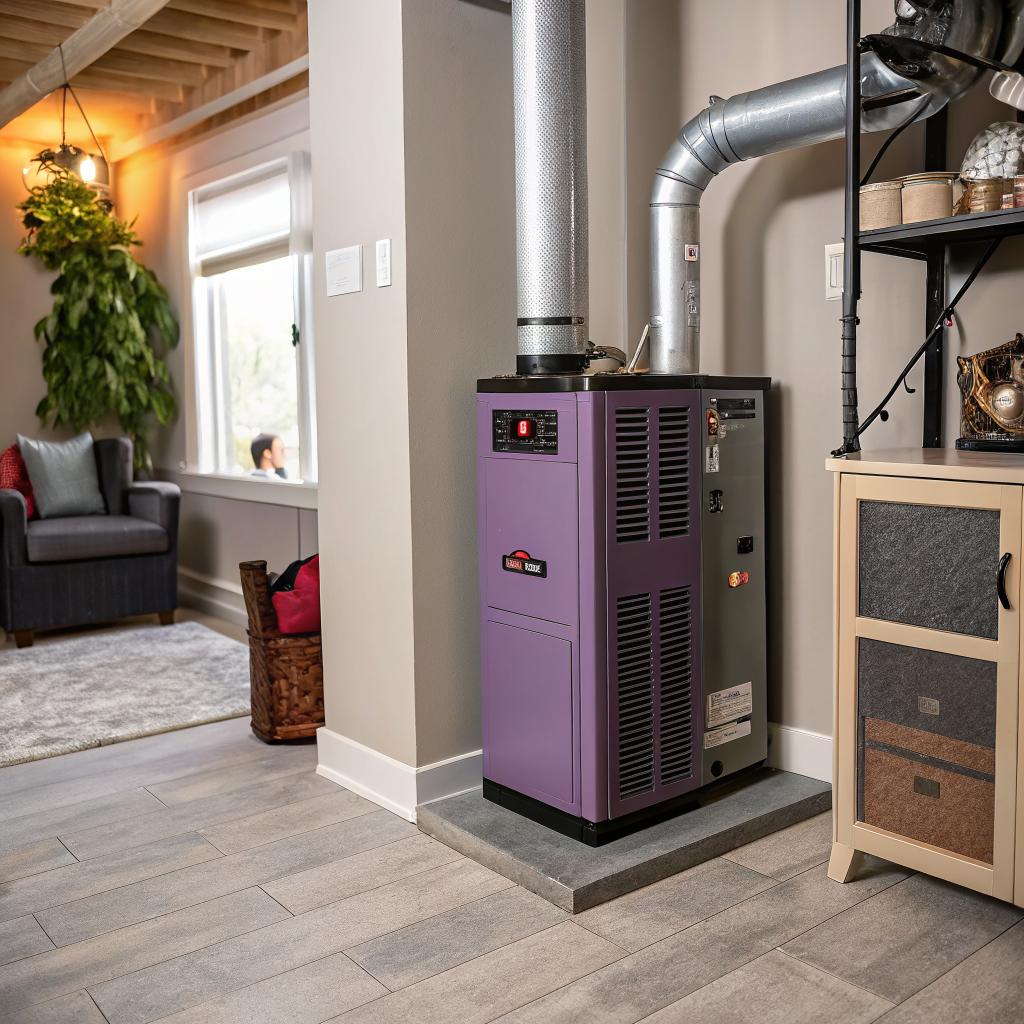
I used to think a furnace was just a metal box that made heat and noise in the basement. Then I started looking into smart thermostats and realized the furnace is basically the “engine” of your home network for comfort, energy use, and even indoor air quality.
If you want the simple answer: a smart furnace install in Brighton, MI usually means pairing a high‑efficiency gas furnace with a compatible smart thermostat, proper zoning or sensors, and clean wiring, then having a pro handle the gas, venting, and code requirements. For most people, a tech‑friendly approach is to choose a modern furnace with ECM blower, sealed combustion, and good control board, then work with a local installer like Furnace Install Brighton MI and handle the smart controls, Wi‑Fi setup, and automation yourself.
Why a “smart” furnace setup matters more than people think
If you like tech, you probably care about data, control, and efficiency. A furnace can hit all three.
The furnace itself is not always “smart” in the gadget sense. It is usually the combination of:
- The furnace hardware
- The thermostat and sensors
- The way everything is wired and configured
- The automations you run on top of it
In other words, you are not just buying a box that gets hot. You are building a small system.
A smart furnace setup is less about flashy features and more about steady comfort, quiet operation, and lower gas and power use without constant tweaking.
If you rush the install or choose the wrong gear, you can still get heat, but you might end up with:
- Short cycling that wastes fuel
- Rooms that are always too hot or too cold
- Wi‑Fi thermostats that drop offline
- A furnace that cannot talk to the thermostat properly
So if you think of yourself as the “sysadmin” of your house, the furnace is one of the core services.
Step 1: Understand the basics of furnaces in Brighton, MI
Brighton winters are cold enough that your furnace will run a lot. That changes how you should think about hardware.
Single stage vs two stage vs modulating
This is where some people drift off, but it matters.
| Type | How it works | Comfort | Cost tier | Good for tech setups? |
|---|---|---|---|---|
| Single stage | On or off at full output | OK but can feel “all or nothing” | Lower | Basic, less flexible |
| Two stage | Low and high stages | Smoother heat, quieter | Mid | Nice balance for smart controls |
| Modulating | Adjusts in small steps | Most stable temps | Higher | Great, but check thermostat compatibility |
For a tech‑leaning home, two stage or modulating usually feels better. It responds more gracefully to automations like set‑back schedules, occupancy changes, and open window detection.
AFUE ratings and why you should care (but not obsess)
AFUE is the fuel efficiency rating. You will normally see:
- 80% AFUE: older or budget units, more energy lost up the flue
- 90% to 95% AFUE: condensing furnaces, more efficient
- 96% to 98% AFUE: top tier models
I would not chase the absolute highest number at any cost. In Michigan, a high‑90s condensing furnace often makes sense, but if the price jump is large and you will move in a few years, mid‑90s is usually fine.
For many homes in Brighton, the smart move is a mid to high 90s AFUE furnace with a two stage gas valve and ECM blower, paired with a good smart thermostat.
Gas, venting, and code are not DIY playgrounds
You can run Ethernet through your walls and fix a smart switch. Gas lines, flues, and combustion air are not the same kind of project.
For a furnace install in Brighton, you have to consider:
- Local mechanical codes
- Combustion air requirements
- Proper exhaust venting outdoors
- Condensate drainage for high‑efficiency models
- Gas sizing and leak checking
You can (and probably should) handle smart controls and Wi‑Fi yourself. The fuel side is better left to trained installers. Even if you enjoy risk, your insurance company probably does not.
Step 2: Think through your smart thermostat and control options
This is the part tech people usually care about most, and also the part where things quietly go wrong.
Closed system vs open ecosystem
Some furnace brands want you to use their own “smart” thermostats. They may lock special features like full modulating control behind their proprietary wall control.
Other setups work with widely known thermostats from:
- Google Nest
- Ecobee
- Honeywell Home / Resideo
- Home Assistant compatible devices
If you already have a strong home automation platform, you probably want:
- Open protocols like Wi‑Fi, Zigbee, or Z‑Wave
- Public API access or local integration path
- Decent Home Assistant or Hubitat support
Before you choose a furnace model, decide whether you want to live in one brand’s closed world or keep your options open for third‑party thermostats and automation platforms.
I have seen people buy a fancy modulating furnace and then discover that their favorite smart thermostat can only run it as a simple two stage unit. Everything still works, but you lose some fine control.
C‑wire, controls, and communication
For smart thermostats, power is always a small but important detail.
Key wiring points:
- Most smart thermostats need a C‑wire for stable power
- Older homes in Brighton sometimes lack a C‑wire, especially on older single stage systems
- Workarounds like power extenders exist, but direct wiring is cleaner
When planning your install, ask the installer to:
- Run a new thermostat cable with extra conductors if possible
- Label wires clearly at both ends
- Confirm support for the control type your future thermostat needs
This costs very little when the system is already being installed, and it saves you from crawling around later.
Zone control vs smart vents vs simple sensors
If you want room‑level control, you have a few paths:
| Approach | What it does | Pros | Cons |
|---|---|---|---|
| Traditional zoning | Motorized dampers in ductwork controlled by a zone board | Strong control, proven tech | Higher install cost, more design needed |
| Smart vents | Battery‑powered vents that open/close by room | Easier retrofit, room‑level control | Battery changes, potential airflow issues |
| Remote sensors | Thermostat uses multiple room sensors to average or prioritize temps | Simple, good comfort gain | No real duct balancing, just smarter control |
For many Brighton homes, remote sensors are a nice middle ground.
You can, for example:
- Tell the thermostat to focus on bedrooms at night
- Average between the main living area and a cold hallway
- Ignore a cold basement sensor during the day
It is not as “perfect” as full zoning, but it is less invasive and cheaper.
Step 3: Sizing the furnace like a tech person, not by guesswork
This part feels boring but has huge impact on comfort and cost.
Manual J vs rule of thumb
A proper heat load calculation (often called Manual J) looks at:
- Home square footage
- Insulation levels
- Window types and sizes
- Air leakage
- Orientation to the sun
Some installers still rely on “rule of thumb” methods. For a tech‑minded reader, that probably sounds as bad as it is. If someone is not willing to run a load calculation, I would question their approach.
An oversized furnace:
- Short cycles, turning on and off frequently
- Creates uneven temperatures
- Can be noisier
A slightly smaller, correctly sized unit usually runs longer, quieter cycles and keeps things more stable, especially when paired with smart controls.
How cold Brighton winters affect sizing
Brighton is not the Arctic, but winter design temps are low enough that you cannot just guess.
If you are upgrading an older, oversized furnace, you might find that:
- Your existing unit is 30% or more larger than needed
- Insulation and window improvements make your load smaller now
Ask for:
- A printed or shared report of the load calculation
- An explanation of why the chosen size makes sense
If the numbers sound wildly off or the installer cannot explain them in plain language, that is a red flag.
Step 4: Planning the physical install with a tech mindset
Even if you are not touching the gas line, you can still influence how clean and future‑proof the install is.
Placement, access, and noise
Questions to ask before install day:
- Is there enough working space around the unit for future service?
- Can filters be changed easily without tools?
- Where will the intake and exhaust pipes exit the home?
- Will the furnace noise carry into living or work areas?
You might accept a slightly less tidy location for better access, or you might push for vibration isolation if the furnace sits under a bedroom.
Power, condensate, and network
Three small but practical details that tech people often care about:
-
Electrical circuit
A dedicated, properly sized circuit matters. If you are adding other gear in the mechanical room, like a network switch or smart hub, consider outlet placement too. -
Condensate handling
High‑efficiency furnaces produce condensate. The drain line and pump, if needed, should be easy to access and clean. -
Network coverage
If the thermostat or any control modules sit in a Wi‑Fi weak spot, plan a mesh node or wired access point.
You do not need Ethernet to your furnace, but having strong Wi‑Fi near your thermostat is handy. Thermostats that are struggling for signal tend to be flaky and annoying.
Step 5: Smart thermostat setup for a Brighton winter
This is where the fun starts, at least for tech lovers.
Basic setup that most people skip
After install, do not just accept the default settings on your smart thermostat.
Go through:
- Equipment type: furnace stages, fan type, humidifier if present
- Heat pump presence if you have a hybrid system
- Cycle rate: how often the furnace can turn on per hour
- Temperature swing: how much change before heat starts
Many smart thermostats have comfort profiles like:
- “Comfort” or “Performance” mode
- “Energy saver” mode
- “Early on” or “preheat” features
Try them, but watch how your house behaves for a week or two before you tweak again.
Scheduling that respects real life
A lot of people set one schedule and never update it. Tech‑minded users can get more benefit by:
- Using geofencing to reduce heat when nobody is home
- Reducing setpoint a bit at night, then preheating before you wake up
- Creating different schedules for weekdays and weekends
Just be careful not to chase constant micro‑adjustments. If your furnace is two stage or modulating, it is built to run longer low stages rather than short blasts. Constant big changes in setpoint can make it behave less gracefully.
Integration with smart home platforms
If you run Home Assistant, SmartThings, or other hubs, you can:
- Pause heating if a window is left open for more than a few minutes
- Adjust setpoint based on dynamic electricity or gas pricing if you have that data
- Use occupancy sensors in specific rooms to trigger small adjustments
- Log all temperature and run time data for analysis
One thing I found helpful was watching run‑time charts during especially cold days. It tells you a lot about:
- Whether the furnace is sized well
- Which times of day cause the longest runs
- How much your schedule really saves, versus what you guessed
Step 6: Air quality and add‑ons that pair well with a smart furnace
Heat is not the full story. The same blower that moves warm air can also move filtered or humidified air.
Filters and static pressure
High MERV filters trap more particles, but they can also restrict airflow if your ductwork is marginal.
A simple table to think about it:
| MERV Range | What it filters | Typical use |
|---|---|---|
| 1 – 4 | Pollen, dust mites | Basic, not great for allergies |
| 8 – 11 | Most dust, mold spores | Good balance for many homes |
| 12 – 13 | Finer particles, smoke, some bacteria | Better for allergies, but watch airflow |
If you want high MERV, ask the installer about:
- A larger media filter cabinet
- Static pressure readings after install
These are not overkill details. Restrictive filters can make a high‑tech furnace act like a cheap one.
Humidifiers and dehumidifiers
In Brighton winters, indoor humidity can drop very low. A whole‑home humidifier tied into your furnace can help.
You have two key points:
- Type: bypass vs powered vs steam
- Control: basic humidistat vs smart thermostat control
If your thermostat supports humidity control, you can:
- Set humidity based on outdoor temperature to avoid window condensation
- Monitor trends and tweak setpoints over time
Dehumidifiers matter more in summer, but some systems share ductwork and controls with the furnace blower. If you have a smart home hub, you can view both humidity and temperature trends over the year and spot patterns.
Step 7: Monitoring, maintenance, and long‑term tweaks
Even a smart setup needs a bit of care.
Simple maintenance tasks you should not ignore
A tech person can handle:
- Filter changes on a regular schedule
- Vacuuming around the furnace intake area
- Checking smart thermostat firmware updates
- Reviewing run‑time logs for anything odd
I know it sounds basic, but filter neglect is still a top reason for service calls.
A smart furnace system is only as good as its worst maintained part, and that is often the simple air filter or a forgotten sensor battery.
For pro maintenance:
- Annual inspection of heat exchanger, burners, and safety controls
- Combustion testing for proper fuel mixture
- Cleaning flame sensors and confirming ignition system health
If an installer offers a service plan, read what it includes and compare against a single visit fee. Sometimes the plan is worth it, sometimes not.
Watching data over time
If you log data through your smart thermostat or home automation:
- Track gas or power use by month
- Check average indoor temps and humidity
- Mark any system changes, like insulation upgrades, and see the effect
A year or two of data can confirm whether your furnace choice and control strategy make sense. If you notice frequent short cycles in moderate weather, you can sometimes tune cycle settings or adjust stage thresholds.
When to tweak and when to leave it alone
There is a temptation to adjust settings every time you think of a small improvement. I have done this more than I care to admit.
A rough rule:
- Make one change at a time
- Let it run for at least a week, preferably through different weather
- Decide based on comfort and data, not just a hunch from one cold morning
If you go too far, keep screenshots or notes so you can roll back to a known good configuration.
Questions people in Brighton often ask about smart furnace installs
Is a smart thermostat really worth it for a Brighton furnace install?
For most homes, yes. The gains are not magical, but you usually get:
- Better comfort because of smarter scheduling and sensors
- Some energy savings compared to leaving a fixed setpoint
- Remote control and alerts that make life easier
If you already keep a very simple, stable schedule and do not care about remote control, the advantage is smaller. But for a tech‑minded person, the control and data alone are often enough reason.
Can I install my own smart thermostat after the furnace is installed?
Usually yes, as long as:
- You have the needed wires, especially a C‑wire
- The furnace board supports the stages and functions you want
- You are comfortable turning power off and wiring correctly
I would let the pros install and test the furnace, then either let them wire the thermostat or handle it yourself after. Just do not mix up low‑voltage controls and line voltage circuits.
How much should I care about brand for the furnace itself?
People argue about brands a lot. In practice:
- Quality of the install often matters more than logo on the case
- Availability of parts and local service is key
- Warranty terms and labor coverage can differ
I would not pick a furnace solely based on badge. I would start with the right size and feature set, then see which brands local installers support well.
What is one thing you would not skip if you are a tech lover setting this up?
If I had to pick one, I would push hard for proper load calculation and good wiring with extra conductors to the thermostat. That combination keeps your options open for more advanced control later, and it avoids weird behavior that no amount of smart features can fix.
If you already have a sense of the gear you want, what part of your future smart furnace setup still feels unclear?