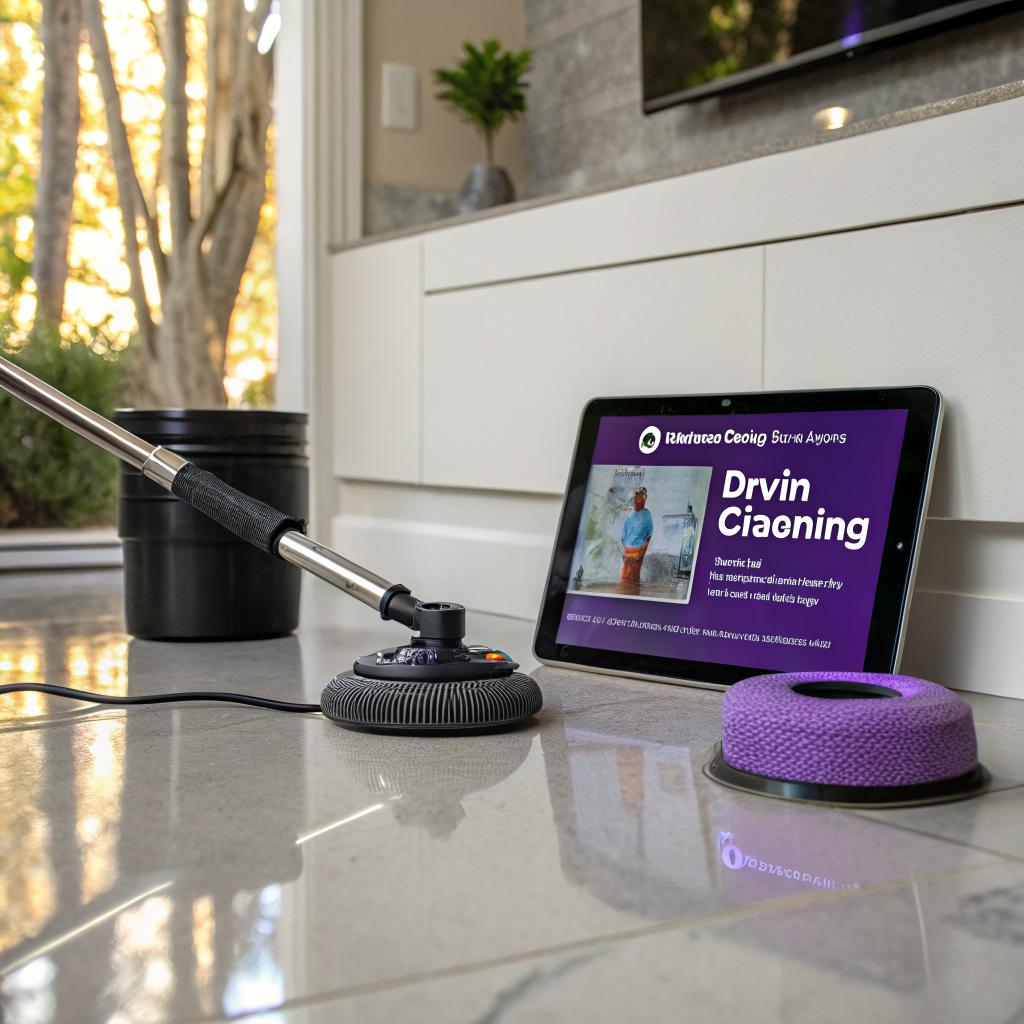
I used to think smart home gear was all about fancy lights and a voice assistant that sometimes understands you and sometimes does not. Then a drain backed up in my kitchen, and I realized the real magic is when tech quietly helps you avoid stuff like that in the first place.
So here is the short version: if you live in or near Murrieta and you care about smart tech, your drains should be part of that plan. Use sensors, simple automation, and a few smart habits to spot problems early, and when a line is slow or blocked, call a local pro for drain cleaning Murrieta instead of trying to fix everything with more gadgets or random chemicals.
Why a tech person should care about drains at all
I know, drains feel boring. You cannot brag to your friends about a clean P-trap.
But here is the thing: a lot of smart home gear protects you from low-probability events. Drains are not like that. Clogs and leaks are almost guaranteed if you live in a place long enough.
If you already track your power use, room temperature, internet speed, or indoor air quality, it makes sense to give your plumbing at least a little of that attention.
If water has a path, it will find it, and you want that path to be your pipes, not your floor or your neighbor’s ceiling.
A tech-friendly approach to plumbing is not about buying every gadget in sight. It is about:
- Monitoring the right signals early, like water flow and hidden moisture
- Automating simple shutoff decisions when things look wrong
- Knowing when a human with real tools needs to step in
And yes, some of this is not very glamorous. It is closer to backup strategies than new toys. But that is what keeps the rest of the smart home running.
Smart home basics that actually protect plumbing
Before getting into advanced tools, there are a few simple devices that give you outsized value. These are not theoretical. They save floors, cabinets, and weekends.
1. Smart water leak sensors in the right places
If you only do one plumbing-related tech upgrade, make it small leak sensors.
Put battery-powered sensors where a slow leak would be hard to notice:
- Under kitchen and bathroom sinks
- Behind the toilet, especially older ones
- Next to the water heater
- Near the washing machine
- Under dishwashers or fridges with water lines
Most of these sensors just sit there for a year or two and then one day save you from warped wood or mold.
The tech side is simple:
- Wi-Fi or Zigbee/Z-Wave connection to your hub
- Push notification or text when moisture is detected
- Optional siren so guests notice even if you are not home
Leak sensors are like smoke alarms for water: boring until the one time they are not.
If you are deep into Home Assistant, Hubitat, or similar, you can add rules. For example, if a sensor under the washing machine goes off, cut power to the washer smart plug and send a message to your phone.
2. Smart water shutoff valves
This is the bigger step and sometimes worth it, sometimes not.
A smart shutoff valve sits on your main water line and can close the water supply when it sees a pattern that looks like a leak. That might be constant high flow in the middle of the night or a trigger from a leak sensor.
These systems:
- Measure flow rate and sometimes pressure in real time
- Let you see water use from your phone
- Let you close the main valve remotely
This is helpful if:
- You travel often
- You own a rental property
- Your area has old pipes or high water pressure
For renters, or if cutting into the main line is not an option, you can still do localized versions: smart valves on the washing machine hoses or on the water line to the fridge.
3. Water flow monitoring and behavior tracking
You might not think of water as something you log, but the data can hint at problems long before a dramatic backup.
Many smart valves and monitors show:
- Daily water use by hour
- Typical patterns for showers, laundry, and irrigation
- Small, constant flows that never drop to zero
Those tiny flows are interesting. They can flag:
- Running toilets that slowly waste money
- Dripping faucets
- Minor leaks that will get worse
You can pair this data with your smart home platform. For example:
- If water use is above a certain number of gallons for an hour straight, flash smart lights red
- If water use is zero for 24 hours, remind yourself to check irrigation timers or the main valve
This is slightly nerdy. It is also real-world useful.
How smarter habits keep your drains out of trouble
Tech helps you detect problems. It does not fix bad habits.
Most drain issues come from what goes down them, not from some mysterious underground curse. Here is where I think a lot of smart home fans get it wrong: we obsess over automation, and forget the boring inputs.
What should and should not go into drains
A simple table sums this up better than a long rant.
| Drain | OK to put down | Keep out |
|---|---|---|
| Kitchen sink | Small food particles, room-temperature water, mild dish soap | Grease, oils, coffee grounds, large food scraps, fibrous peels |
| Bathroom sink | Water, toothpaste, face wash | Hair, thick cosmetics, wipes, cotton pads |
| Shower / tub | Water, regular shampoo, body wash | Hair clumps, bath oils in large amounts, sand, clay masks in bulk |
| Toilet | Human waste, toilet paper | Wipes (even “flushable”), paper towels, feminine products, floss |
You have probably seen a table like that before. The difference is whether your house is set up so people actually follow it, not just read it once and forget.
Here is where tech can help a bit in practice.
Using low-tech helpers with high-tech reminders
A lot of drain protection is still mechanical:
- Hair catchers in showers
- Mesh strainers in kitchen sinks
- Garbage disposal use that is gentle, not aggressive
These are not glamorous. But they catch the clog before it forms.
The tech connection is simple:
- Add a recurring reminder on your phone to clean hair catchers every week
- Set a monthly smart speaker reminder to flush bathroom sinks with hot water
- If you share the home, add these in a shared family calendar, not just your own
This is not fancy automation, but it changes behavior. Most people do not clean strainers because they forget, not because the task is hard.
The less you send down your drains, the less you will think about drains at all, which is the real goal.
Smart tools that actually help when a drain is slow
Eventually, something will start draining more slowly. Even in a careful home.
Tech will not snake the line for you, but it can still make that moment less chaotic.
Step 1: Listen to your sensors and patterns
When a drain slows, it rarely happens in total isolation.
You might see:
- Water use patterns that show repeated short bursts as you run a sink trying to “push it through”
- Moisture alerts in cabinets under sinks if pipes start to seep
- Strange pump activity on a smart sump pump, if you have a basement or low point
Pay attention to these little clues. A smart monitor will not tell you “your main line is 60 percent blocked,” but the combination of:
- Multiple slow drains
- Gurgling in toilets or tubs
- Frequent small leaks or joint seepage
usually means something more serious than just hair near the surface.
Step 2: What is reasonable to try yourself
People swing between two extremes:
- Pour half the cleaning aisle down the drain and hope for the best
- Never touch anything and call someone for every small drip
The middle ground is better.
Reasonable DIY steps:
- Remove and clean the drain stopper or strainer on sinks and tubs
- Use a simple plastic drain claw for hair near the top
- For a sink, place a bucket and remove the P-trap to clear a local clog
Things to be careful with:
- Heavy chemical drain cleaners can damage older pipes or seals
- Overusing a plunger can push clogs deeper, not remove them
- Power augers, if you have never used one, can damage the line or yourself
If you are a tech person, you might be tempted to order a Wi-Fi camera snake and call that a solution. It can be interesting to see inside the pipe, but it does not fix the clog by itself.
At some point you reach the limit of “smart” and you need more physical tools and experience.
Step 3: When a pro drain service actually makes sense
There is a point where a specialist visit is not overkill, it is just math. Especially in places with trees, older sewer lines, or clay pipes.
Good signs it is time to call someone:
- More than one fixture is slow at the same time
- Flushing a toilet causes water to rise in a tub or shower
- You smell sewage in a bathroom or outside near cleanouts
- You have used reasonable DIY steps more than once in a short period
For Murrieta and surrounding areas, that usually means calling a local company that deals with the soil, pipe materials, and tree types you actually have, not generic advice from a forum.
The pro advantage is not just a bigger snake. It is knowing:
- Where the main cleanouts are likely located
- How local building codes affect your lines
- What patterns are common after heavy rain or long dry spells
And if they have a proper camera, they can tell you if your issue is simple grease buildup or something like a cracked line or root intrusion.
Where smart plumbing gear fits into a bigger home setup
If you are already deep into smart home platforms, you probably think in terms of systems, not devices. Plumbing should fit into that view, not sit outside it.
Connecting plumbing to your existing hub
Most serious platforms let you bring in water data:
- Home Assistant can read from many smart valves and leak sensors
- Apple Home, Google Home, and Alexa support many water devices directly
- IFTTT or similar tools can bridge gaps if you really need that
Once everything lives in one place, you can make simple but useful rules:
- If any leak sensor trips, pause your robot vacuum so it does not smear water around
- If the main valve detects high flow while all presence sensors say the home is empty, send a high-priority alert
- If water use spikes while sprinkler zones are active, notify yourself about possible broken heads
Nothing here is complicated. It is just connecting dots that many people ignore.
Security, privacy, and data from water devices
Some water monitoring devices send usage data to the cloud. If you are privacy conscious, this might raise questions.
A few things to think about:
- Do you really need cloud analysis, or can you log data locally through your hub
- Does the device support local control, not only remote servers
- Are firmware updates still offered, or has the vendor abandoned the product
If you prefer local control, look for devices that speak standard protocols and integrate with local controllers.
You do not have to treat a water valve like a bank account, but ignoring updates and security entirely is not great either.
Special issues in places like Murrieta
Location matters more for plumbing than for a lot of smart gear.
Murrieta and nearby cities usually deal with:
- Hard water that leaves mineral deposits
- Yards that need irrigation, which affects outside lines
- Tree roots that search for water in older sewer lines
If you have smart irrigation controllers, they already talk to your plumbing indirectly. Less overwatering helps keep soil from shifting as much, which can matter to shallow lines and old connections.
Hard water can:
- Slow fixtures over time
- Shorten the life of water heaters and appliances
You can track performance over time. For example:
- Log how long it takes for hot water to reach smart shower valves
- Watch the flow rate reported by smart faucets or meters each year
If you see a slow decline that is not explained by low-flow fixtures, that might be mineral buildup or narrowing pipes.
Tree roots are another story. Tech cannot stop them, but regular professional cleaning and camera checks can catch the problem early. That is far less expensive than waiting for a full line collapse.
Balancing DIY knowledge with professional help
There is a weird pattern I notice with people who love tech. We are careful about firmware, backups, and uptime. Then with physical systems, we flip between ignoring problems and trying to fix everything alone.
Plumbing needs a middle approach.
What is realistic for a homeowner to maintain
Reasonable tasks you can own:
- Clean strainers, stoppers, and P-traps
- Use plungers correctly for toilets and sinks
- Inspect under-sink connections for slow drips
- Test leak sensors every few months
- Review water usage graphs a few times a year
Tasks that often need a professional:
- Main sewer line cleaning with heavy equipment
- Diagnosing repeated clogs in the same area
- Fixing broken or offset sewer pipes
- Correcting improper venting or serious code issues
Some people try to handle major failures alone, but it rarely saves money when you add risk and time.
The cost side: gadgets vs repeat repairs
There is a point where a couple of good devices and one or two pro visits over several years cost less than:
- Water damage restoration
- Mold removal
- Flooring replacement
The choice is not between “buy sensors” and “save money.” It is more like deciding where you want to spend the money and energy.
You can either pay a bit for prevention, or pay a lot for cleanup, and plumbing has been like this long before smart homes existed.
You might disagree and feel that small apartments or newer builds can skip all this. That can be true for a while. Still, even in newer places, a single slow leak can damage cabinets or neighbors’ ceilings.
Bringing it all together without overcomplicating things
There is always a risk of turning your home into a science project. I am biased toward tech, but I do not think every house needs full automation around water.
A realistic setup might look like this:
A simple smart plumbing plan for a tech-friendly home
- Place leak sensors in 5 to 8 high-risk spots: under sinks, near the water heater, behind toilets
- Install a smart main shutoff if you own the place and can afford the install, or at least valves for the washer
- Add physical strainers and hair catchers in sinks and showers
- Set calendar or smart speaker reminders to clean those strainers
- Check your water usage graphs every quarter for weird patterns
- Keep a basic manual auger and plunger in the house for simple jobs
- Have a local pro you trust for deeper drain cleaning when multiple fixtures act up
That is it. No need for a hundred automations or a custom dashboard, unless you enjoy that type of project.
The main mindset shift is this: your smart home is not just lights and speakers. It is also the invisible systems that keep the place livable.
Common questions about smart homes and drain care
Q: Can smart gadgets actually prevent clogs?
Short answer: not directly.
Sensors and valves do not stop hair from going down the drain or grease from cooling in pipes. What they do is:
- Alert you early when a leak starts
- Help you spot leaks and running fixtures through data
- Limit damage when something fails
The actual prevention is still:
- What you put down drains
- Mechanical catchers and strainers
- Periodic professional cleaning when lines age or roots invade
So tech supports good habits, it does not replace them.
Q: Are chemical drain cleaners a good idea if I have sensors and data?
I think they are fine in very limited cases, like a minor hair clog in a bathroom sink now and then, and only if your pipes and seals can handle them.
Repeated use can:
- Damage some older pipe materials
- Eat at rubber seals over time
- Mask deeper issues that keep returning
If multiple fixtures are slow, pouring more chemicals usually just delays the real fix.
Q: Do I really need a professional, or can a camera and a rented auger cover it?
If you enjoy hands-on work, you can learn a lot from a rented snake and a camera. For simple clogs, that might be enough.
Where people get into trouble is with:
- Older fragile lines that crack under aggressive work
- Sewer gas exposure when opening certain access points
- Misreading what they see on the camera feed
For a one-time clog in a newer home, DIY is often fine. For recurring problems, or any sign of the main sewer line misbehaving, a professional cleaning service is usually the better path, especially in areas with soil and root conditions that they see every day.
So the question is not “am I capable,” but “is this the best use of my time and risk tolerance for this house right now?”