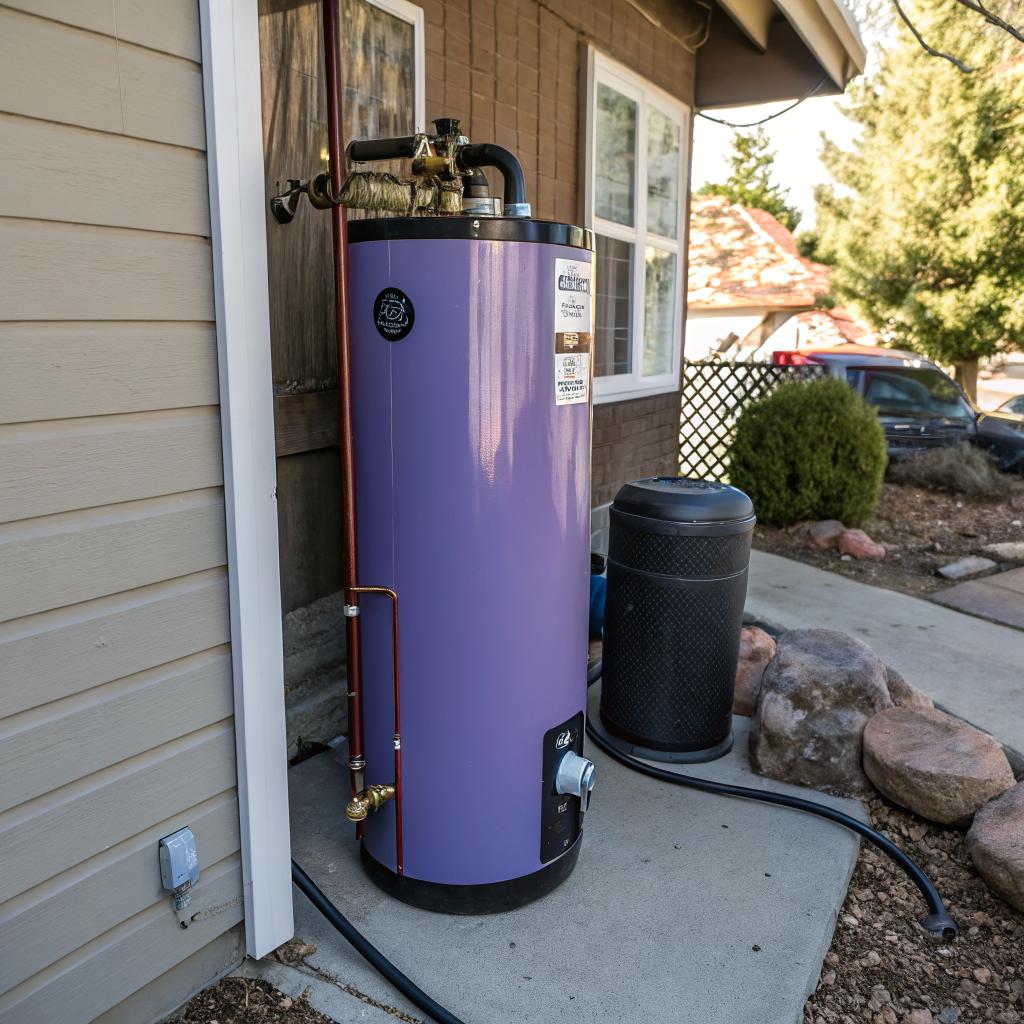
I used to think water heaters were just boring metal cylinders in the basement that magically made hot water. Then mine failed right before a Monday video call, and I learned pretty fast that a dead water heater can throw your whole routine off, no matter how smart the rest of your home is.
If you are in Aurora and your water is cold, the short answer is: check the basics first (power, gas, pilot light, thermostat, leaks), and if that does not fix it within 10 to 15 minutes, call a local pro for water heater repair Aurora and stop guessing. You can pair that with smart tools like leak sensors, monitoring plugs, or home platforms to catch problems early, but physical repair still needs a human on site.
How a water heater fits in your smart home
Most people start their smart home with lights, locks, or maybe a video doorbell. The water heater is usually an afterthought, at least until the shower turns cold.
If you care about tech, it is worth treating the water heater like part of your system, not just background hardware.
Here is why it matters to look at it through a smart home lens:
- Your water heater is one of the biggest energy users in your house.
- A hidden leak can ruin floors, drywall, and gear in a nearby rack.
- Many common failures give off small clues before they become a breakdown.
- You can monitor those clues with simple sensors and automations.
You probably would not run a server without monitoring or alerts. Yet many people are fine letting a 40 gallon tank run blind for a decade.
Treat your water heater like you would a small, dumb server: monitor it, log its behavior, and pay attention when the signals change.
You do not need a fancy “Wi‑Fi water heater” to do this. A few affordable gadgets plus some habits are usually enough.
Signs your water heater is failing, in plain language
You do not need plumbing knowledge to spot early warning signs. You just need to pay a bit of attention.
Temperature and hot water behavior
Watch for these patterns:
- Hot water runs out faster than it used to.
- Temperature swings from hot to lukewarm in the same shower.
- You keep turning the shower handle farther toward hot over time.
- Taps never get really hot, even at full hot.
These changes often point to:
- One failed heating element or burner issue
- Thermostat problems
- Sediment build‑up taking up tank space
If you are already running smart thermostats or plugs, you can log when the water heater cycles and see if it runs more often than it used to. It is not perfect data, but the trend can tell a story.
Noises from the tank
A healthy water heater is boring and quiet.
If you hear:
- Popping or crackling
- Rumbling when it heats
- A sharp hiss
Then something is off. Usually it is sediment. Sometimes it is trapped steam. Either way, strange sounds are a hint you should not ignore for months.
Visual clues
Take 60 seconds every month and just look at the unit. You are checking for:
- Wet spots under or around the tank
- Rust streaks on the body
- Corrosion on pipes or near the top of the tank
- Bowed or bulging sides on the tank
A slow leak is easy to miss if you never look. Smart leak sensors help, but even they need you to bother placing them.
If you see active dripping from the tank body or a bulge in the metal, treat it like a failing battery pack: power down, isolate, and call a pro. That tank is not safe to ignore.
Smart home tools that actually help with water heater problems
You can go overboard with smart gear, but a small setup can make a real difference for water heaters, especially in Aurora where basements and mechanical rooms are common.
Smart leak sensors
These are small battery devices you place on the floor near the tank. When water touches their contacts, they trigger an alarm or send a push notification through your smart hub.
Good use cases:
- Catching slow leaks before they soak walls or subfloor
- Monitoring condensate pans or nearby floor drains
- Alerting you if a supply line lets go while you are away
For a tech‑minded homeowner, this is probably the single best smart add‑on for a water heater.
Smart shutoff valves and actuators
If you want to go one level further, you can add a motorized valve on the water main or on the cold line to the heater.
You can then create a rule like:
- If leak sensor near water heater is wet, close valve and send alert.
It feels slightly extreme until you think about the cost of cleaning up a flooded finished basement. I know one person who ignored this idea for years, then had a supply line fail while out of town. They are a fan now.
Smart plugs and energy monitors
For electric water heaters, a smart plug or energy monitor can be useful if:
- The unit is within the load rating of the device.
- You know what you are doing with electrical safety.
You can:
- Track runtime and approximate energy draw.
- Spot weird patterns, like frequent short cycles.
- Schedule off‑peak heating if your local power rates support that.
Do not use a random smart plug on a high‑load appliance without checking ratings. Many are not built for that job.
Integrating with your home platform
You do not need to overcomplicate this. A simple setup can be:
- Leak sensor under tank.
- Optional motorized valve.
- Automation: when leak is detected, send push notification to phone and pop a message on your smart display or TV.
For electric units with a safe smart switch, you can also do:
- Automation: if high temperature alarm or strange cycling, power off and alert.
Think of your smart gear as an early warning and damage control layer. It helps you react fast, but it does not replace actual repair work on the heater itself.
Common water heater problems and what they usually mean
Here is a structured look at typical issues you might face in Aurora, whether you live in a newer subdivision or an older house.
Quick comparison of common symptoms
| Symptom | Likely causes | DIY friendly? |
|---|---|---|
| No hot water at all | Tripped breaker, blown fuse, failed heating element, bad gas valve, pilot out | Check power and pilot is ok, parts replacement for pros |
| Not enough hot water | Sediment build‑up, failed element, undersized tank, thermostat setting | Thermostat and basic flushing can be DIY |
| Water too hot | Thermostat stuck on, bad mixing valve | Adjustment is basic, faulty parts are pro level |
| Discolored or rusty water | Tank corrosion, failed anode rod, old galvanized pipes | Diagnosis possible, repair often means replacement |
| Smelly hot water | Bacteria in tank, anode reaction | Flush and disinfect is sometimes DIY, or pro service |
| Leaks around heater | Loose fittings, valve failure, cracked tank | Fittings and valves sometimes DIY, cracked tank is replacement |
This table is not perfect, but it gives a starting point when you pair it with whatever your sensors or smart logs show.
No hot water at all
This is the most obvious failure. For a tech‑biased person, it is tempting to start troubleshooting like hardware.
Basic steps:
- Check the breaker or fuse. Reset once if it is tripped.
- For gas, check if the pilot is lit and the gas valve is on.
- Verify that the thermostat did not get bumped to a very low setting.
If power and gas are present and it still does nothing, the issue is internal. At that point, guessing is not helpful.
Not enough hot water or temperature swings
This is where data from a smart plug or power monitor can help. If you see longer heating cycles or more frequent cycling than before, sediment or failing elements are on the list.
Check:
- Thermostat setting around 120°F. A bit higher if you use a mixing valve, but stay reasonable for safety.
- Shower heads and fixtures. New low‑flow heads sometimes feel cooler.
- Any recent changes: new family member, more laundry, added bathroom.
If nothing in your usage changed and hot water volume dropped, the heater is likely losing performance.
Strange smells or colors
Brownish or rusty water suggests corrosion inside the tank or in old pipes. Rotten egg smell usually points to bacteria reacting with the anode rod, especially on well water.
You can:
- Run only the cold side to see if the issue is only with hot water.
- Flush a few gallons from the tank drain and see if it clears up.
If the smell or color comes back fast, consider a pro flush, anode inspection, or in some cases a new unit.
Leaks and moisture
This is where your smart leak sensors pay off.
If a sensor alerts, try to find:
- Is it a few drops from a valve or fitting?
- Is water coming from the relief valve discharge pipe?
- Is water actually seeping from the tank shell?
Small drips from fittings can sometimes be fixed with tightening or a replaced valve. Water from the tank body usually means the unit is at the end of its life.
Basic maintenance that actually helps, without overdoing it
You do not have to become a plumbing hobbyist, but a few habits make a big difference. Think of it like basic care for your laptop: dusting vents, watching temps, that kind of thing.
Annual visual check and smart test
Once a year, set a reminder.
Tasks:
- Inspect the tank, pipes, and area around it for rust or moisture.
- Press the test button on any nearby GFCI or smart plug.
- Trigger your leak sensors briefly by touching them with a damp cloth so you know alerts still work.
- Confirm your smart rules still fire as expected.
It is a small job, but it keeps your monitoring honest.
Flushing sediment
Aurora water often carries minerals that settle in the bottom of the tank. Over time, they insulate the water from the burner or element.
A simple partial flush once or twice a year can help. Rough outline:
- Turn off power or gas to the heater.
- Let water cool a bit if you can.
- Attach a hose to the drain valve at the bottom and run it to a floor drain or outside.
- Open the drain and let a few gallons run until it looks clearer.
- Close drain, remove hose, restore power or gas.
You can track before and after with your power monitor. If the heater runs shorter cycles after a flush, you did something useful.
Anode rod checks
The anode rod is a sacrificial metal rod that slows corrosion inside the tank. It is often at the top, screwed in.
This is not a beginner job, but for someone comfortable with tools and research, replacing a worn anode can extend tank life.
Things to keep in mind:
- You will likely need a breaker bar or strong wrench.
- You should cut power and let the tank cool first.
- Have plumbing tape and a replacement rod ready.
If this sounds like more hassle than it is worth, you are not wrong. Many people prefer to have a plumber handle it during a service visit.
When smart troubleshooting is enough, and when it is not
Technical people often want to fix things themselves. Sometimes that works. Sometimes it just burns time.
Here is a way to think about it.
Situations where DIY plus smart tools make sense
Good candidates:
- Breaker trips once and stays on after reset.
- Pilot went out because of wind or a brief gas issue, and relights safely.
- Thermostat was accidentally set low and needs adjustment.
- Sediment flush on a healthy tank.
- Setting up leak sensors, smart plugs, and basic rules.
You can log the changes in your home system and observe. If behavior goes back to normal and stays there, you are probably fine.
Situations where you should stop and call a pro
These are patterns where guessing with a wrench is not worth it:
- Smell of gas near the heater.
- Repeated breaker trips after reset.
- Water from the body of the tank, not fittings.
- Relief valve constantly dripping or discharging.
- Any sign of scorching, melted parts, or burned wiring.
Tech skills are helpful, but combustion, pressure, and 240 volts can all go bad in ways that a tutorial will not fix.
If your smart alerts keep repeating for the same water heater fault after a simple reset, that is your cue to stop experimenting and schedule real repair work.
Repair vs replacement in Aurora: how to think about it
At some point, every water heater becomes a choice between patching and replacing. The smart data you collect can actually help with that decision.
Key factors to look at
Here are questions to ask yourself:
- Age of the unit. Most standard tanks last around 8 to 12 years under normal use.
- Number of repairs in the last 2 to 3 years.
- Energy usage trends from any monitors you have.
- Any visible corrosion or rust on the tank.
- Future plans: staying in the house long term or moving soon.
If your 11‑year‑old heater has a leaking tank shell, you are not really choosing a repair. You are choosing a new unit, whether you like it or not.
Using smart data to inform the choice
If you have been tracking:
- Electric draw on an energy monitor, or
- Runtime frequency from a smart plug or relay
You can compare current months to earlier logs.
If energy use climbed for the same pattern of hot water use, that is a quiet hint that the heater is working harder than before. Sediment, failing elements, or aging insulation can all cause that.
In that case, pouring money into repeated repairs can be a slow way of paying for a new heater without getting one.
Thinking about newer smart‑ready or hybrid units
If you do go for replacement and you care about tech, you might look at:
- Units with built‑in Wi‑Fi monitoring and error reporting.
- Heat pump water heaters that use much less power but need more space and air volume.
- Tankless heaters that give endless hot water but require careful sizing and sometimes gas line upgrades.
There is no one right answer. Older homes in Aurora might not be ready for a huge electric load, while newer builds can be.
The nice part is that more modern units often give clearer error codes and better integration with smart systems. That means more insight and less guesswork over time.
Practical setup examples for tech‑minded Aurora homeowners
If all of this still feels abstract, here are a few simple setups that match different comfort levels.
Basic “I just want alerts” setup
Good for most people:
- One leak sensor next to the water heater.
- Optional second sensor by the floor drain, if you have one.
- Notifications to your phone when water is detected.
You do not touch the heater itself. You just gain early warning if something fails.
Intermediate “I want data” setup
For someone who likes dashboards:
- Leak sensor setup as above.
- Safe, correctly rated energy monitor on the water heater circuit.
- Logging to your home hub or a local server.
- Simple rules: alert on unusual constant draw or repeated short cycles.
With a few months of history, you can see patterns. You do not have to act on every change, but you at least know something is shifting.
Advanced “I want control, but safely” setup
This is for people who are honest about their skills and patient with code and wiring.
Components:
- Leak sensors around the heater and near key plumbing fixtures.
- Motorized main water shutoff valve.
- Energy monitor on the heater.
- Smart thermostat or mixing valve on the system.
- Rules that tie it together without doing anything dangerous, like:
- On leak near heater, close main valve, send push alert and email, log event.
- On abnormal power usage over threshold for more than X minutes, send alert before auto shutdown.
The main point is that the automation should help you respond faster, not silently change core safety functions.
Local Aurora details that matter more than people expect
Your city and climate affect how your water heater behaves. Aurora is not unique, but it has a few traits that change the picture slightly.
Altitude and gas appliances
Aurora sits around 5,400 feet. Many gas water heaters are designed with lower altitude in mind. At higher elevation, gas burns a bit differently.
What that can mean:
- Slightly lower output from the same rated unit.
- Different combustion air needs.
- The need for models approved for higher elevation.
It is a small technical detail, but it is one reason local plumbers tend to pick certain brands and models that behave well here.
Basements, crawl spaces, and temperature swings
A lot of water heaters in Aurora sit in:
- Unfinished basements
- Garages
- Crawl spaces
These spaces see bigger swings in temperature. That affects:
- How often the heater cycles.
- How condensation forms on pipes.
- Risk of freezing on exposed lines in cold snaps.
A smart temperature sensor near the heater is cheap and gives you context for its behavior and any strange cycles in winter.
Frequently asked questions from tech‑minded homeowners
Can I connect my old water heater directly to Wi‑Fi?
Not in a safe and supported way. You can monitor power, leaks, and temperatures around it, and you can read its status lights with a camera if you feel like overdoing it, but the heater itself will stay “dumb”. That is fine. The smart layer lives around it.
Is it safe to turn my water heater off remotely with a smart plug or relay?
Sometimes, but not always.
If you have an electric unit and use a device that is correctly rated for the load and wiring, it can be safe. For gas units, or if you are unsure about ratings, it is better to leave hard power control to proper switches and breakers.
A good compromise is to let your smart setup alert you and guide you, then you go hit the breaker or shutoff valve yourself.
How often should I replace a water heater in Aurora?
Many people keep them until they fail, which often lands around the 10 year mark for standard tanks. If your smart logs or inspections show rising energy use, frequent repairs, or rust on a 9‑year‑old unit, you are not being paranoid by planning a replacement soon.
If it were your own home server, would you wait until the drive fails to think about backups? Probably not. The same logic applies here, just with water instead of data.