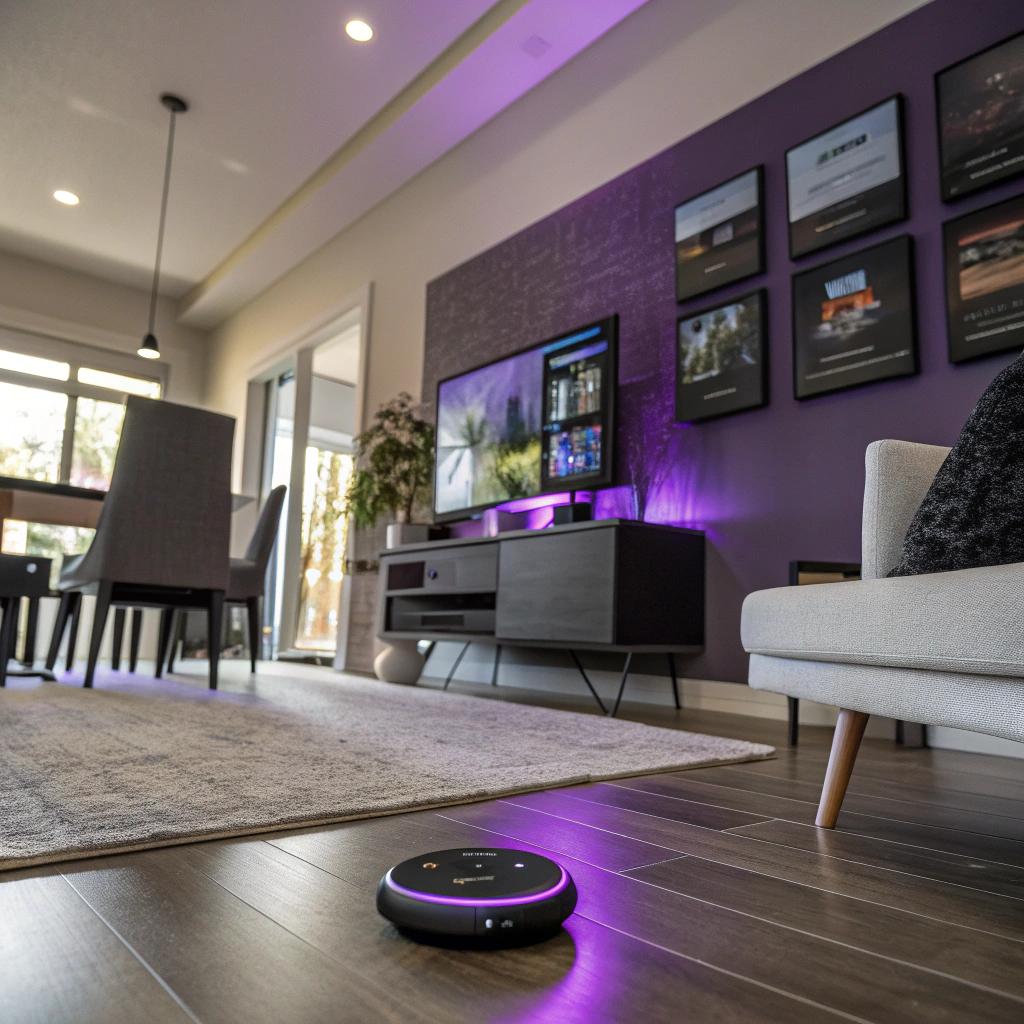
I used to think flooring was just that thing under your feet you ignore while you play with the smart thermostat or tweak your Wi‑Fi. Then I started building out a smarter home in Denver and realized the floor quietly decides how your tech sounds, how your devices connect, and even how much you enjoy walking from your desk to the kitchen.
If you want the short answer: the best Denver flooring for a tech‑heavy home is usually a mix. Use durable, water‑resistant surfaces like luxury vinyl or engineered wood in high‑traffic and smart‑device zones, keep solid hardwood where you want long‑term value, and add the right underlayment to help with sound, comfort, and cables. If you ever need a local pro to bounce ideas off, checking a specialist in Denver flooring is the fastest way to match floors to your tech habits.
Visit CMC Flooring LLC for more information.
How your floor actually affects your smart home
If your home is full of screens, speakers, sensors, and chargers, the floor stops being a background detail. It turns into infrastructure.
Here is what your flooring quietly controls:
- Wi‑Fi stability and cable routes
- How your speakers sound
- Comfort during long work‑from‑home days
- Heat retention and energy use
- How your robot vacuum works or fails
- Durability under chairs, wheels, and stands
It is not about chasing some perfect material. It is about choosing something that fits your climate, your gear, and how you actually live.
Think of flooring as part of your smart home setup, the same way you think about routers, hubs, and wiring. If the foundation is wrong, the fancy devices never feel quite right.
Denver has dry air, big temperature swings, and mix‑and‑match housing stock. That combination pushes you toward certain types of floors and away from others if you care about long‑term stability and how your tech feels day to day.
Denver climate basics: what it does to your floors
Dry air and sudden weather shifts are not kind to every material. That matters a lot if you plan to stay in your place for years while your tech rotates every couple of seasons.
Temperature swings and expansion
Denver can move from warm sun to cold evenings fast. Floors expand and contract with those changes.
Hardwood, laminate, and even some engineered woods move a bit as seasons change. Usually that is fine. When you get cheap product or bad installation though, you start to see:
- Small gaps between boards
- Minor cupping or crowning
- Clicks and creaks as you walk, especially near walls
If you have a home office with standing desks, full server racks, or heavy audio gear, that movement under weight can be annoying.
Dry climate and humidity control
Denver air is dry. In winter, when the heat is on and phones say humidity is under 30 percent, solid wood can shrink more than many people expect.
This is where smart home gear helps. A good hygrometer plus a connected humidifier gives you control.
If you plan to run solid hardwood, pair it with a humidity target of about 35 to 45 percent and automate your humidifier. Your floors and your electronics will both last longer.
Vinyl and tile care less about humidity. That is one reason so many people end up with a mix:
- Wood or engineered wood in living and office areas
- Vinyl or tile near doors, basements, and kitchens
You do not need to follow that pattern, but it does line up well with the local climate.
The tech lover’s checklist for flooring
Before we compare materials, it helps to look at the problem from a tech users point of view. You are not just choosing a color. You are choosing a platform for your devices.
Here is a plain checklist that keeps the conversation grounded.
| Factor | Why it matters for tech users | Questions to ask yourself |
|---|---|---|
| Acoustics | Floors shape how speakers, TVs, and calls sound. | Do I want a lively room for movies, or a quieter space for calls? |
| Cable paths | Flat floors and underlayments help you hide wires. | Will I ever need to run Ethernet or speaker wire across this room? |
| Robot cleaners | Some surfaces trip robots; others help them glide. | Do I rely on a robot vacuum or mop to keep things clean? |
| Chair and wheel traffic | Office chairs, racks, stands, and casters chew up soft floors. | Do I have rolling chairs, VR setups, or heavy gear on wheels? |
| Thermal comfort | Floors influence how warm the room feels to your feet. | Will I walk barefoot a lot while working or gaming? |
| Upgrades and resale | Some floors help future buyers; others are more personal. | Am I staying long term or planning to sell in a few years? |
If you walk through these questions before choosing a material, you avoid the usual trap: buying whatever looks best on a showroom wall and then fighting with echoes, dust, and chairs for the next decade.
Material comparison for smart homes in Denver
Now the part people usually jump to first: what type of floor. I will go through the main options with a tech‑heavy home in mind, not from a designer’s view.
1. Solid hardwood
Hardwood is the classic choice. It looks good, ages well, and adds value. For someone who likes tech, it sits nicely with the idea of long‑term upgrades. You can sand and refinish it while your devices come and go.
Pros for tech users:
- Strong resale value, especially in Denver single‑family homes
- Can be refinished several times, which fits long life cycles
- Feels warm underfoot, especially with area rugs
- Pairs well with premium sound setups if you treat walls and ceilings correctly
Cons and watch‑outs:
- Sensitive to low humidity and big temperature swings
- Can show chair wheel marks and scratches from gear
- Harder surface for long hours standing at a desk
- Not ideal in basements or near entry doors with snow and meltwater
If you want solid hardwood in a Denver smart home, think about zones. It might be perfect in a living room with a home theater, but not the best idea for a basement gaming cave with a wet bar.
Hardwood makes sense when you want something you can keep improving over decades, just like upgrading your network from Wi‑Fi 5 to Wi‑Fi 7. You keep the base, you swap the parts on top.
2. Engineered wood
Engineered wood sits between solid hardwood and laminate. It has a real wood top layer over a stable base. That structure reacts less to humidity and temperature, which is a good match for Denver.
Pros for tech users:
- More stable than solid wood in dry air
- Still looks like real wood because the top layer is real wood
- Some products allow light sanding and refinishing
- Better for basements than solid wood, if installed correctly
Cons:
- Less total lifespan than thick solid hardwood
- Quality varies a lot by brand and thickness
- Repeated sanding is often not possible
If you want the look of wood around your gear without stressing over shrinkage and gaps, engineered wood is a good middle ground.
3. Luxury vinyl plank (LVP) and vinyl tile
Luxury vinyl plank has become a favorite for Denver condos and rentals. From a tech angle, it brings some interesting perks.
Pros for tech users:
- Water resistant, often fully waterproof at the surface
- Works well with robot vacuums and mops
- Soft underfoot compared with tile, kinder on knees and backs
- Handles rolling chairs and stands better than many laminates
Cons:
- Lower resale impact than solid wood in higher‑end neighborhoods
- Cheaper lines can feel artificial or hollow underfoot
- Can fade with strong sunlight over many years
If your place is full of gear, wires, and movement, LVP tends to take abuse well. That matters more when you are rearranging desks and racks occasionally.
4. Laminate
Laminate was the original “fake wood” floor people installed in big volumes. Newer lines are better than the older ones, but in a tech‑heavy Denver home it is more of a budget play.
Pros:
- Affordable for large spaces
- Resists surface scratches better than some cheap hardwood
- Easy to install as a floating floor
Cons for tech users:
- More prone to hollow sound underfoot
- Water can swell edges if it seeps into joints
- Robot mops can be risky on older or cheaper products
If your priority is a starter smart home with more budget on devices than surfaces, laminate can be fine. Just be honest about how much moisture and abuse it will see.
5. Tile and stone
Tile is common in Denver entryways, kitchens, bathrooms, and some basements. It has a very different personality from the other choices.
Pros for tech users:
- Excellent for radiant floor heat systems
- Very durable and water friendly
- Cleans well, especially when you have pets and smart feeders
Cons:
- Hard and cold underfoot without radiant heat
- Can echo sound in minimal rooms with lots of glass and gear
- Harder to change later if your taste shifts
Tile floors shine when you pair them with smart thermostats and underfloor heating. For a main office or gaming room though, many people prefer something warmer unless they use big rugs.
6. Carpet (and why it is not always the enemy)
Carpet gets a bad reputation in tech spaces. It traps dust, hides cable accidents, and does not photograph as nicely as hardwood. Still, it solves some problems that tech fans actually care about.
Pros:
- Best sound absorption of all common floor types
- Warm and comfortable for long sessions at a desk or console
- Helps with heat retention in winter
Cons for tech users:
- Harder for robot vacuums, especially high‑pile
- Catches dust and pet hair, affects air quality around electronics
- Can snag cables and chair wheels
A thick area rug on top of hard flooring often hits a good balance. You get the acoustic and comfort benefits where you sit, without giving up cleanability and robot behavior in the whole room.
Flooring and smart acoustics
If you care about speakers, microphones, or call quality, you actually care about your floor. Surfaces, shapes, and materials control reflections and echoes.
Hard floors and bright sound
Wood, vinyl, laminate, and tile all reflect sound. That is not always bad. Movies and music can feel lively in a room with hard floors and some soft surfaces.
Problems show up when everything is hard and flat:
- Glass windows
- Flat walls
- Minimal furniture
- Hard flooring
That mix can make smart speakers sound harsh and make your voice bounce around on video calls.
If you choose hard floors, you can dial in the room with:
- Rugs under the main listening area
- Curtains instead of bare windows
- Bookshelves or wall panels to break up reflections
Carpet areas and focused audio
Carpet calms down sound. In a home office or studio, that might be what you want. Your calls sound cleaner to others, and room noise stays lower.
One approach many tech‑heavy homes use is simple:
Keep hard flooring in high‑traffic and gadget‑heavy zones, then build “soft islands” for serious audio work or office calls with rugs or carpet sections.
You are not locked into one material across your home. Mixing textures gives you control over both sound and comfort.
Robot vacuums, mops, and your floor choice
If you own a robot vacuum or mop, the floor is half of the user experience. Some setups help the robots, others confuse or block them.
Surfaces robots like
Robot cleaners handle certain surfaces well:
- Luxury vinyl plank and vinyl tile
- Low‑pile carpet and rugs
- Engineered wood and most hardwood with flat transitions
On these, the robot moves smoothly, sensors read edges correctly, and mapping stays stable.
Common robot problems tied to floors
You might have seen some of these:
- High transitions between tile and wood blocking the robot
- Very dark floors confusing cliff sensors
- Loose rugs getting tangled in wheels and brushes
- Shiny tiles causing odd navigation issues in some models
If you are planning new floors and already own a robot cleaner, it is worth watching how it behaves in your current home for a month. Take notes. Where does it fail, get stuck, or skip?
Then you can plan details like:
- Low threshold transitions between different materials
- Choosing mid‑tone colors instead of extreme dark or bright
- Keeping rug edges flat and taped if needed
Small changes there save you from babysitting the robot every time it runs.
Underlayment, cables, and hidden tech
Underlayment is the layer between your floor and the subfloor. Most people ignore it because you never see it, but for someone who likes tech, it is actually interesting.
Why underlayment matters to tech fans
Underlayment can:
- Quiet footsteps and vibration that would otherwise reach your microphones
- Make rooms above garages or basements feel warmer
- Give you just enough space or contour to hide flat cables in doorways
It is not magic, but it is part of the stack.
Here is a quick comparison.
| Underlayment type | Sound control | Comfort | Best used under |
|---|---|---|---|
| Basic foam | Low | Low to medium | Laminates, some floating vinyl |
| Cork | Medium to high | Medium | Engineered wood, hardwood over concrete |
| Rubber / acoustic mat | High | Medium | Multi‑level homes, home theaters |
| Felt / fiber | Medium | Medium to high | Nail‑down hardwood, some engineered wood |
If you work from home or record anything, spending a bit more on sound‑damping underlayment often helps more than an extra lamp or a new mic.
Running cables with your flooring plan
This part is easy to ignore until you trip over a cord or realize your audio setup looks like an accidental art project.
Some questions to ask while planning:
- Where will my main network gear sit?
- Do I want hardwired Ethernet to my office or TV wall?
- Will I ever run speaker wire to rear channels?
If you answer yes, then think about:
- Adding low‑profile raceways along walls before or during floor work
- Using flat Ethernet or speaker cables under large rugs, not directly under click‑lock planks
- Planning outlet and wall plate locations while you have baseboards off
You do not need to hide every cable. But planning a few main routes saves a lot of annoyance later.
Room‑by‑room ideas for a tech‑heavy Denver home
Every room has its own mix of foot traffic, devices, and risks. Here is a practical walk‑through of common spaces.
Home office
Most tech lovers now have some form of home office. It is usually full of:
- Monitors and docking stations
- Rolling chair
- Standing desk
- Personal server or NAS, maybe a UPS
Floor priorities here:
- Chair glide without deep grooves
- Cable safety and tidy edges
- Moderate sound dampening for calls
Good fits:
- Luxury vinyl plank plus a chair mat or dense rug in the desk zone
- Engineered wood with felt pads and a low‑pile rug
Less ideal:
- Thick carpet that catches wheels and attracts dust into electronics
- Hard tile without rugs, because of echo and cold underfoot
Living room / home theater
Here you get smart TVs, soundbars or full surround setups, maybe a console stack.
Consider:
- Acoustic balance between clarity and comfort
- Light control with curtains plus floor predators like subwoofer vibration
Balanced approach:
- Hard surface (wood, LVP, engineered wood) for easy cleaning
- Large rug between speakers and seating
- Rubber pads under subs and heavy stands
If you are building a very serious home theater, then acoustic underlayment combined with carpet can make sense, even if other floors in the home are hard.
Kitchen
Kitchens are starting to fill with smart appliances, sensors, and hubs. At the same time, spills and dropped objects are a daily fact.
Priorities:
- Water resistance
- Easy cleaning
- Comfort, since you stand here a lot
Good choices:
- Luxury vinyl plank or tile with good wear layer
- Tile with cushioned mats in cooking zones and near the sink
Hardwood near smart fridges and dishwashers can work, but you accept more risk if you have frequent leaks or kids. If you go that path, keep a leak sensor under each water source and react fast.
Bedroom
Bedrooms often hold:
- Charging stations
- Smart lights
- Voice assistants
Here comfort and quiet matter more than durability. A simple mix:
- Engineered wood or LVP as the main surface
- Soft rug under and around the bed
If you must choose carpet anywhere, bedrooms are usually the least risky for daily wear, as long as you keep dust under control.
Basement and gaming spaces
Basements in Denver can be tricky because of moisture, concrete floors, and lower temperatures. Many people set up gaming rooms or media centers there.
Flooring priorities:
- Moisture resistance
- Warmth
- Sound control so upstairs stays sane
Choices that work:
- Luxury vinyl with a good underlayment
- Engineered wood made for below‑grade, installed with a proper moisture barrier
- Tile with rugs and, if budget allows, radiant heat
Carpet in a basement can feel cozy, but it raises questions about long‑term moisture and spills from drinks during long gaming sessions.
Energy use, comfort, and smart thermostats
Floor choice has its own small effect on how your heating and cooling setups feel and perform.
R‑value and how warm your feet feel
Floors do not change your gas bill as much as insulation or windows, but they shape how you perceive comfort.
Approximate warmth feel from colder to warmer:
- Tile / stone
- LVP / laminate
- Engineered wood / hardwood
- Carpet
If you work barefoot or in socks most of the time, the difference between tile and wood is very noticeable.
Smart thermostats help here. You can:
- Schedule small temperature nudges before you start work
- Pair them with smart vents or heaters in rooms with colder floors
Radiant heat and floor compatibility
If you are planning in‑floor heat with a smart thermostat:
- Tile and stone are best for heat transfer
- Some engineered woods and LVP are rated for radiant systems
- Check product specs before combining any floor with radiant heat
Skimming product details might feel boring next to shopping for gadgets, but mixing the wrong flooring with heat creates long‑term problems. That is one place where caution pays off.
Practical steps to choose flooring for your smart Denver home
If you feel overwhelmed by choices, it helps to move step by step, not material by material.
Step 1: Map your tech and furniture
Do a rough sketch of your place. Mark:
- Router or mesh node positions
- TV / home theater locations
- Office or workbench zones
- High traffic patterns from door to kitchen and bathrooms
This shows where durability and cleaning ease matter most, and where acoustics and comfort matter most.
Step 2: Decide your “sacred zones”
Not every room needs perfect flooring. Pick the 2 or 3 zones you care most about, for example:
- Home office
- Living room with TV and speakers
- Kitchen or entry
Those get the bulk of your flooring budget and attention. The rest can follow more basic rules.
Step 3: Match materials to zones
Use the material notes above, but focus on the top zones:
- Office: LVP or engineered wood plus mat or rug
- Living room: Wood or LVP with rug and some acoustic treatment
- Kitchen / entry: Vinyl or tile to handle water and grit
You can have transitions between materials as long as they are planned to be low enough for comfort and robot behavior.
Step 4: Think about installation and timing
If you are still running cables, changing outlets, or moving walls, that is the moment to plan floors. Pulling up new floors in two years because you forgot a wire run is painful.
Questions to ask now:
- Do I need any Ethernet or HDMI runs inside walls?
- Am I adding any floor outlets for desks in the middle of a room?
- Will I add more smart speakers or a projector later that needs cabling?
Answering these makes your flooring choice less fragile.
Step 5: Get local advice and real samples
Online pictures and specs only tell you so much. Denver light, altitude, and dryness change how materials feel.
If you talk with a local flooring company, try to ask very concrete questions instead of “What is best?”:
- How does this product handle our humidity swings?
- How many years of real‑world wear have you seen on it?
- What underlayment would you pair with this for a home office above a garage?
Bring small gadgets or chairs with you if you can. Rolling your own chair over a sample feels silly in a showroom, but it tells you more than a brochure.
Common mistakes tech lovers make with flooring
People who love gadgets often focus hard on the devices and rush the “boring” parts. Floors are one of them.
Here are some mistakes worth avoiding.
- Choosing floor color for Instagram instead of cleaning. Very dark or very light floors show every cable, crumb, and pet hair. Mid‑tones look better in real life.
- Ignoring chairs and wheels. Heavy office chairs on soft wood or cheap vinyl leave tracks and dents.
- Skipping rugs in echo‑prone rooms. Minimal rooms with all hard surfaces make speakers and mics sound worse than they should.
- Letting robot vacuums dictate every choice. Robots are helpful, but you do not need to design the entire house for a rolling puck with brushes.
- Underestimating Denver dryness. Solid wood can behave badly without humidity control, no matter what the marketing claims.
The goal is not a perfect, showroom‑level floor. The goal is a surface that quietly supports your daily tech habits so you stop thinking about it.
Q & A: Quick answers to common questions
Is vinyl flooring safe for a home full of electronics?
Yes. Luxury vinyl plank or tile does not interact with your devices in any special way. It does not block Wi‑Fi, it does not interfere with power strips, and static is rarely a real issue in normal home conditions. If anything, its durability and water resistance are a plus around electronics.
Will hardwood floors hurt my room’s sound quality?
Not by themselves. Hard floors reflect more sound, but you can balance that with rugs, curtains, and some wall treatment. A good rule: if you clap your hands in the room and hear a long echo, you need more soft surfaces. That is not the floor alone, it is the whole room.
Can I run Ethernet cables under my flooring?
You can, but it is not always wise. Many floating floors are not meant to sit on top of lumpy cable runs. It is safer to route cables along walls in raceways, under baseboards, or under large rugs. If you plan a major remodel, ask an electrician or flooring pro about floor outlets or in‑wall cables instead.
Is carpet always bad for a smart home?
No. Carpet helps with acoustics and comfort. The problem is dust and cleaning effort. If you are prone to allergies or you have sensitive gear on the floor, hard flooring plus area rugs is easier to manage. But a well‑maintained bedroom carpet can still fit nicely in a modern, connected home.
What is the best single flooring type for a small Denver condo with lots of tech?
If you had to pick only one, luxury vinyl plank is usually the most practical: it handles spills, works with robot cleaners, and looks close to wood if you pick a good line. Pair it with rugs where you sit and work, and manage brightness and acoustics with curtains and furniture.
What part of your own setup feels off right now, the sound, the comfort, or the way your cables and robots behave on your floors?