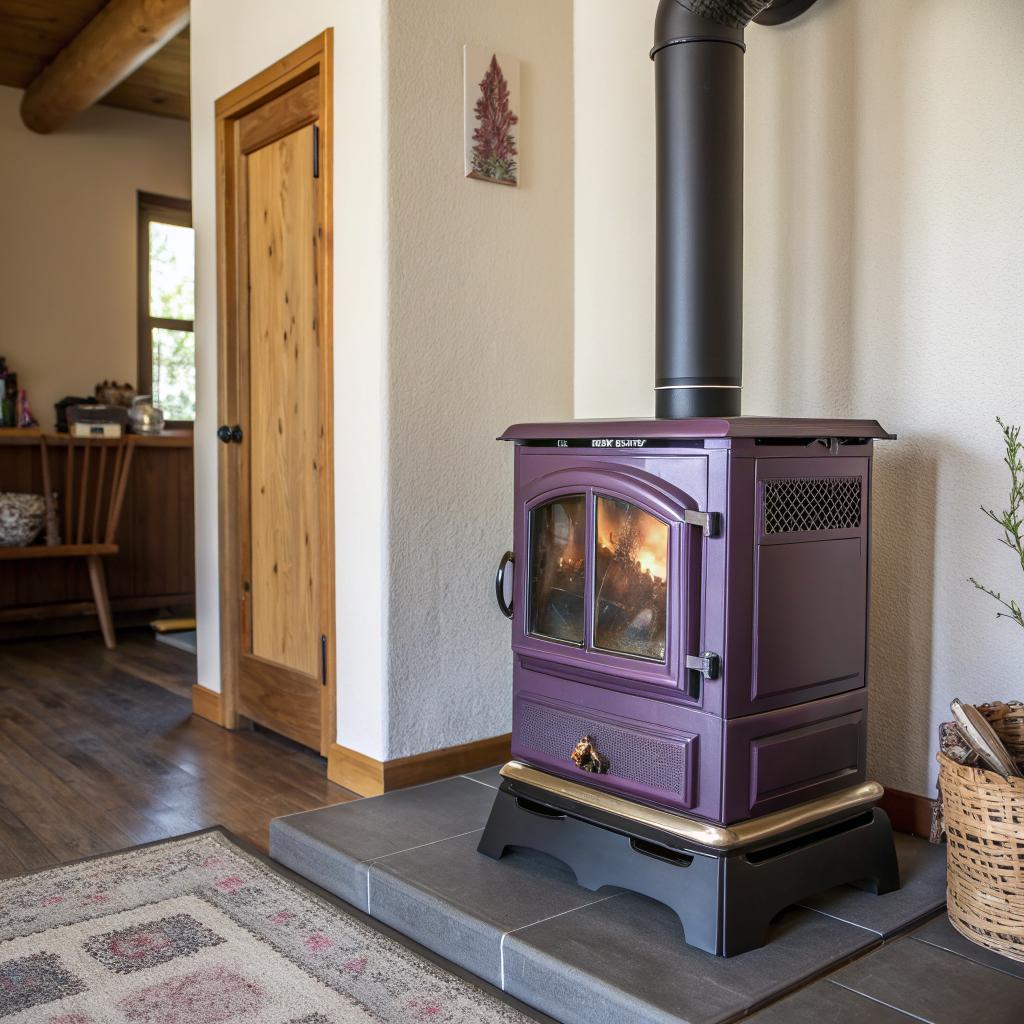
I used to think of the furnace as this boring metal box in the corner that somehow made the house not freezing. Then one December weekend in Albuquerque, mine failed at 2 a.m. and suddenly I cared a lot about BTUs, smart thermostats, and who could get a new unit in before the pipes froze.
If you just want the short answer: the smart way to handle Albuquerque furnace replacement is to size the new system for your actual home and insulation level, choose a high efficiency gas furnace that plays well with smart controls, and have a qualified installer handle ductwork, gas, and venting upgrades. That single decision will affect your comfort, energy bills, and smart home setup for at least 15 to 20 years, so it is worth slowing down and planning it like you would a new router or server build, not an appliance impulse buy.
Why a tech-minded homeowner should care about the furnace
If you are into tech, you probably care about control, data, and long term cost. A furnace checks all three.
Heat is usually the biggest energy use in an Albuquerque home for at least a few months a year. You can put smart bulbs everywhere and still not touch what a badly chosen or badly installed furnace wastes.
Your furnace is basically a high energy, always-on “backend service” for your house. If that layer is wrong, every smart device on top is fighting an uphill battle.
Here is how a modern replacement can hook into your smart home and your budget in a practical way:
- Smart thermostats and room sensors can talk to newer furnaces with more detail than just on/off.
- Variable speed blowers can run quietly at low power, which pairs well with occupancy schedules and geofencing.
- Better filtration and humidity control helps air quality, which affects how often you want windows open or fans running.
- Energy monitoring plugs or whole home monitors can track gas and fan use for real data on savings.
If you plan any of that, your furnace is not just a background appliance. It is part of your stack.
Step 1: Figure out if you actually need a new furnace
Sometimes people jump to replacement faster than they need to. There is a rough line between “repair makes sense” and “stop patching this and move on.”
Signs you probably need replacement, not another repair
- Unit age is 15 years or more, especially if it is a standard 80% unit.
- Heat exchanger cracks or heavy rust are present. That is a safety problem, not just a comfort one.
- You have frequent service calls during one heating season.
- The burner or fan is very loud, even after cleaning and tune ups.
- Rooms never reach set temperature, and the system runs almost constantly on cold nights.
- Gas bills keep creeping up while your usage pattern is the same.
A lot of people assume any bill over a few hundred dollars means the company is trying to sell them something. That is not always true. Some parts on older units are costly, and labor adds up.
As a simple rule of thumb, if a repair is around 25 to 30 percent of the price of a new furnace and the unit is over 10 years old, it is time to seriously look at replacement.
You can ignore that line once or twice. If you keep crossing it, you are just throwing money at a system that is already behind on safety and efficiency.
What counts as “old” in Albuquerque conditions
Albuquerque has a dry climate and big temperature swings. Nights can be very cold, but days might warm up a bit. That start and stop pattern is not as harsh as deep Midwest winters, but it still adds wear.
Typical lifespan ranges:
| Furnace type | Typical lifespan | What usually fails |
|---|---|---|
| Standard 80% gas furnace | 12 to 18 years | Heat exchanger, blower motor, control board |
| High efficiency 90%+ gas furnace | 15 to 20+ years | Condensate components, inducer motor, sensors |
| Mobile home / compact units | 10 to 15 years | Heat exchanger, burners, limit switches |
If your unit is near the top of these ranges, every major repair should trigger a serious replacement conversation, not just a quick “fix it and forget it.”
Step 2: Match furnace sizing to your home, not a guess
This is the part fewer people talk about, but tech minded readers usually care once they see the numbers.
Oversizing and undersizing both cause problems:
- Oversized: short cycles, temperature swings, noise, higher wear on parts.
- Undersized: long run times, cold rooms on the far side of the house, stress on the blower.
Many homes in Albuquerque have furnaces that are bigger than they need, because someone used a rule like “X BTUs per square foot” and rounded up.
Why load calculations matter
The right way is a heat load calculation, often called Manual J in the HVAC world. That looks at:
- Square footage and ceiling height
- Insulation levels in walls, attic, and floors
- Window type and area, including direction they face
- Air leakage from gaps and doors
- Orientation of the home and shading
You do not need to run these numbers yourself, but you should ask whoever bids your job if they are running a real load calculation. If they say “we usually put in 100,000 BTU units in houses this size” and nothing more, that is a red flag.
A rough sign someone has done the math: they can explain why your new furnace might be smaller in BTUs than your old one, even though that sounds wrong at first.
This is common. Older units were often oversized. Also, your house might have had insulation or window upgrades in the last decade. Those changes reduce the size you need.
Altitude and Albuquerque winters
Albuquerque sits around 5,000 feet. At higher altitude, natural gas furnaces lose some output because of thinner air. Installers should account for this when selecting and setting up the unit.
Winters are not Minnesota level, but there are enough freezing nights that you want a system that can maintain 68 to 70 degrees without running nonstop on the coldest nights. A proper heat load calc, plus an understanding of local weather data, handles that.
If a company cannot explain how altitude and local weather figure into their sizing, you might want another opinion.
Step 3: Choose the right furnace type and efficiency
For most tech focused homeowners in Albuquerque, the real question is not “gas or electric” but “what kind of gas furnace and what efficiency rating makes sense.”
AFUE and what it actually means
Furnace efficiency is normally rated by AFUE, or Annual Fuel Utilization Efficiency. This number is a percentage of fuel that actually turns into usable heat in your home over a season.
Simple example:
- 80% AFUE: For every 1 unit of gas, 0.8 heats your home, 0.2 goes out the flue.
- 95% AFUE: For every 1 unit of gas, 0.95 heats your home, 0.05 is lost.
You will see ratings like 80, 90, 92, 95, 96, even 98 percent. Higher numbers cut fuel use, but come with more complex parts and higher up front cost.
For Albuquerque, most people pick between:
| Type | AFUE range | Pros | Cons |
|---|---|---|---|
| Standard gas | 80% | Lower purchase cost; simpler design; easier repairs | More gas use; more flue heat loss |
| Condensing gas | 90% to 98% | Less gas use; cooler exhaust; often quieter, more comfort features | Higher price; condensate drain needed; more parts to fail |
For a tech audience that cares about long term cost and emissions, a 90%+ furnace usually makes sense, especially if gas prices go up over time. But this is where it gets a bit fuzzy. If you plan to move in a few years, or your gas usage is already low, a simpler 80% unit might actually be fine.
Single stage vs two stage vs modulating
This part is like picking between basic on/off switches and dimmers.
- Single stage: Furnace is either at full blast or off. Simple, cheaper, more temperature swing.
- Two stage: Has low and high fire. Most of the time it runs on low for better comfort and noise.
- Modulating: Adjusts output in small steps, like 30 to 100 percent. Very steady temperature, pairs nicely with smart thermostats.
For many Albuquerque homes, two stage is a sweet spot. It costs a bit more than single stage, but gives better comfort and more flexible control.
Modulating sounds great on paper, and it can be. But it also costs more and depends heavily on good installation and matching controls. If you enjoy tuning smart systems, do not mind reading manuals, and plan to stay in the home, a modulating unit might be worth it. If you want simpler and less to fuss with, a solid two stage furnace with a variable speed blower is usually enough.
Gas vs electric vs heat pumps in this region
Gas furnaces dominate in Albuquerque for a reason: gas is usually cheaper for heating than pure electric resistance heat. Heat pumps are getting better, and some people switch to them when they add solar panels or want less direct combustion in the home.
For a straight “furnace replacement” in an existing gas heated house, gas remains the most practical choice for most people. A full switch to heat pump is a bigger project, usually involving electrical panel checks, maybe new runs, sometimes new ductwork. That can be worth doing, but it is not just a one for one swap, and pretending it is will cause headaches.
If someone claims a simple heat pump swap will always beat gas here, they are oversimplifying. Weather patterns, energy prices, and duct layout all matter.
Step 4: Plan smart home integration before you buy
This is where tech readers often get more interested. The furnace is not smart by itself. The control system is.
Smart thermostat compatibility
When you spec a new furnace, decide how you want to control it:
- Basic programmable thermostat
- Wi-Fi smart thermostat with app control
- Smart thermostat that talks to voice assistants and home platforms
Some higher end furnaces work best with their own matched smart thermostats. For example, certain modulating or communicating systems need a proprietary thermostat to use all stages properly.
Questions to ask before picking hardware:
- Will the furnace give full functionality with a third party smart thermostat?
- Does the smart thermostat support multi stage heat and variable speed blowers?
- Is there a C-wire, or will one be added, for reliable power to the thermostat?
- Does the thermostat expose useful data like runtime, cycling, or fault codes?
Some people insist on brand X thermostat without checking if it plays well with their preferred furnace. That can downgrade your fancy modulating system to something like a single stage setup in practice.
Room sensors and zoning
Older homes in Albuquerque often have hot and cold spots. People try to fix this with a bigger furnace, but that just blasts more air into an uneven system.
Two tech friendly fixes:
- Room sensors: Some smart thermostats can use multiple room sensors to balance average temperature, or to use “comfort priority” rooms like bedrooms during sleep hours.
- Zoned systems: Motorized dampers control airflow to different parts of the house, each with its own thermostat.
Zoning sounds perfect. But misconfigured zoning can shorten furnace life if it starves airflow. If you go this route, make sure the installer is experienced with zone design, bypass damper planning (if needed), and proper control wiring. Otherwise your tech stack becomes a liability.
Data, logging, and alerts
If you like data, a smart thermostat that exposes runtime and indoor temperature history is very helpful. Over one winter, you can answer questions like:
- How often does the furnace short cycle?
- How does a 2 degree setpoint change affect runtime and gas use?
- Do hardware changes, like better attic insulation, show up in lower runtime?
Pair that with a gas utility usage chart or a whole home energy monitor, and you can see whether your expensive high efficiency unit is actually saving what the salesperson promised. Sometimes it is close. Sometimes it is not, weak ductwork or bad setup can erase a good fraction of the gain.
Step 5: Ductwork, airflow, and filtration in Albuquerque homes
The furnace gets all the attention, but ducts often quietly ruin comfort and efficiency.
Common duct problems in older houses
In many local homes, ducts:
- Run through hot attics with little insulation.
- Leak at joints because old tape has dried and failed.
- Are undersized or have too many sharp turns.
- Have blocked or closed vents in some rooms, which unbalances the system.
If you spend good money on a new furnace and leave bad ducts alone, you still get uneven rooms, maybe noisy vents, and longer runtimes.
A decent installer should:
- Measure static pressure in the ducts before and after the change.
- Seal obvious leaks with mastic or modern tape rated for ductwork.
- Check that return air paths are large enough and not blocked.
- Talk honestly about whether a few runs should be enlarged or rerouted.
Filtration and indoor air quality
Dry, dusty air is common in Albuquerque. Furnaces blow that around unless filtration is decent.
Options:
- Standard 1 inch filters: Cheap, often changed too rarely, limited filtration.
- Deeper media filters (3 to 5 inch): Better capture, lower pressure drop, longer life.
- Electronic air cleaners: Higher cost, more maintenance, better fine particle capture when clean.
You do not need the most expensive air cleaner. But going from a loose fiberglass filter to a medium grade pleated filter in a well sized filter rack can make a real difference in dust level and system cleanliness.
Just avoid stacking very restrictive filters into a system not sized for them. That raises static pressure, which stresses the blower motor and can shorten furnace life.
If you want “smart” air quality, focus more on a solid media filter and good duct sealing than on flashy add ons. Sensors can tell you air is dirty, but the furnace and ducts do the hard work of cleaning it.
Step 6: Costs, quotes, and what you are actually paying for
Prices vary by home, brand, and scope of work. Instead of giving you a fake number, it is better to explain what drives cost so you can compare quotes more realistically.
Main cost drivers
- Furnace size and efficiency rating
- Single stage vs two stage vs modulating
- Brand and model line
- Extent of duct modifications or replacements
- Flue and venting changes for high efficiency units
- Smart thermostat and control hardware
- Local permit and inspection requirements
A quote that looks “cheaper” at first can leave out needed updates. For example, some companies quote an 80% furnace that can reuse old metal flue without mentioning that a 95% unit would need PVC venting, condensate drain, and maybe a different gas line route. Of course that one looks more costly, because it includes more of the real work.
How to read and compare quotes
Ask every company that bids your project to break down:
- Model number of the furnace, not just brand.
- Stages of heat and blower type (single, two stage, variable).
- AFUE rating.
- What is included in duct and vent updates.
- Thermostat model and smart features.
- Parts and labor warranty length.
Then compare like for like. Do not just glance at the total and pick the lowest. That approach works for some simpler purchases, but it misses too much here.
Also, ask how long the company has been working in Albuquerque, and if they have experience handling city inspections and gas company requirements. A cheap job that fails inspection will cost more time and money later.
Warranties and what they are really worth
Manufacturers often offer:
- 10 year parts warranty on registered units.
- 20 year or lifetime heat exchanger warranty.
Labor warranties vary:
- Some installers offer 1 or 2 years labor.
- Better ones may give 5 to 10 years on labor for premium packages.
A longer labor warranty from a solid local company has real value, especially on higher end equipment with pricier parts. Just read the fine print. Some warranties require yearly maintenance to stay valid. Skipping tune ups may void coverage.
Step 7: What furnace replacement looks like, day by day
If you have not done a furnace changeout before, the disruption can be a bit unknown. People either worry too much or assume it is nothing.
Before install day
Expect:
- A tech visit to confirm measurements of the existing furnace and space.
- Discussion of venting, gas line, electrical, and thermostat path.
- Permit applications if the city or county requires them.
Pick an install date that works with your schedule. If it is mid winter, ask how they handle no heat periods during the day and whether they expect to finish in one day.
During installation
A typical sequence:
- Power and gas are shut off to the furnace.
- Old unit is cut out and removed.
- New furnace is set, leveled, and anchored.
- Duct connections are adapted and sealed to the new cabinet.
- New venting is run if upgrading to high efficiency.
- Gas line is reconnected and leak tested.
- Electrical and thermostat wires are connected.
- System is started, adjusted, and tested for safety.
House will be without central heat during most of this. On a cold Albuquerque day, the house will cool down, but usually not to extreme levels in a few hours, especially if doors stay closed and people are moving around a bit. Still, plan for sweaters and maybe a space heater in one room, just used safely.
After installation
You should get:
- A walkthrough of the thermostat and basic settings.
- Filter size info and replacement schedule.
- Warranty registration instructions or confirmation.
- Contact info for future service.
Pay attention here, even if you are tired. This is where you find out how to handle simple issues without a truck roll, like filter changes or thermostat reset for minor glitches.
How Albuquerque weather and housing quirks affect your choices
Local context matters more than people think.
Dry air and comfort
Winter air in Albuquerque is dry. Gas furnaces do not add moisture, they just heat the air. Heated dry air can feel cooler than the thermostat reading suggests, especially if your skin and sinuses are sensitive.
Ways to manage this:
- Add a central humidifier on the supply plenum if the system design supports it.
- Or run portable humidifiers in key rooms like bedrooms.
- Watch indoor relative humidity with a cheap sensor, aim for roughly 30 to 40 percent.
This is not a vanity tweak. Humidity in a reasonable range can let you set the thermostat a bit lower while still feeling comfortable, which saves gas. It also reduces static and some respiratory irritation.
Existing swamp coolers and conversions
Many Albuquerque homes have, or once had, swamp coolers. If yours was converted to refrigerated air, there might be ductwork and roof penetrations that affect furnace layout and venting.
During a furnace replacement, ask the installer to:
- Check any unused roof penetrations for sealing and insulation.
- Confirm that duct sizing works for both heating and cooling loads.
- Make sure combustion air and fresh air paths are not blocked from old conversions.
The worst case is when someone seals everything to “tighten” the home but accidentally starves a gas furnace of needed combustion air. A competent installer will catch and fix that.
Maintenance after replacement: keep the “smart” part smart
Tech people tend to maintain phones, laptops, and servers, but expect appliances to run forever with no upkeep. Furnaces are not that forgiving.
Yearly checkups are not marketing fluff
A yearly service on a gas furnace usually includes:
- Burner cleaning and inspection.
- Heat exchanger check for cracks or rust.
- Blower wheel cleaning as needed.
- Gas pressure and combustion tuning.
- Safety control and sensor checks.
- Filter check and duct inspection.
On a newer high efficiency model, techs also clear condensate lines and look at intake and exhaust piping.
Skipping this for a few years often leads to:
- Reduced efficiency from dirty burners or filters.
- Odd lockouts and error codes.
- Shortened blower or inducer motor life.
You would not run a high performance PC in a dusty environment without ever cleaning fans or filters. Same idea here.
DIY tasks a careful homeowner can handle
Things you can reasonably do yourself:
- Change filters on schedule, more often if you have pets or dust.
- Vacuum around the furnace to reduce dust drawn in.
- Keep supply and return vents open and unblocked.
- Watch for new noises, smells, or cycling behavior and log when they happen.
Things you should not DIY:
- Gas line modifications or leak repair.
- Combustion tuning.
- Internal wiring changes.
- Heat exchanger repairs or bypasses.
There are enough YouTube videos that it is tempting to try. But one small mistake in combustion or venting setup can create a carbon monoxide risk, and you cannot “see” that the way you see a leaky faucet.
Putting it all together for a tech oriented Albuquerque home
If this all feels like a lot, that is fair. Replacing a furnace is not quite as simple as replacing a router, but it does rhyme with making a solid network upgrade plan.
Here is a compact way to think through your own situation:
- How old and how unreliable is your current furnace really?
- Are your energy bills higher than they should be for the size and insulation of your home?
- Do you care more about low up front cost, or lower gas use over 10 to 15 years, or a balance?
- What smart home platform do you already use, and will the furnace controls fit in cleanly?
- Are there obvious duct issues you have just lived with for years?
If you treat these as requirements, not as afterthoughts, you will have more useful conversations with any HVAC company you bring in. You will also avoid the common trap of paying for extra stages or very high AFUE numbers that your duct system or thermostat choice cannot actually take full advantage of.
Quick Q&A to wrap up
Q: Is a super high efficiency furnace always worth it in Albuquerque?
A: Not always. If you have a small, well insulated home and mild gas use, the added cost for a 96 to 98 percent unit might take a long time to pay back. A 90 to 95 percent two stage unit could be a more balanced choice. On the other hand, in a larger home with long heating seasons and higher gas rates, the extra efficiency can add up over 10 to 20 years.
Q: Can I just pick any smart thermostat I like?
A: You can, but that does not mean you should. The thermostat must support the number of stages your furnace has, and ideally it should be listed by the furnace maker as compatible. With modulating or communicating units, the best choice is usually the matched thermostat from the same brand, even if you like the interface of another product more.
Q: Do I really need to worry about ductwork if I am only changing the furnace?
A: If your ducts are new, maybe not much. But in many Albuquerque homes, ducts are older and leaky. Swapping a furnace into that system without any duct review is like installing a new CPU on a board with failing VRMs and no airflow. It will run, but not the way it should, and it might fail sooner.
Q: What is one thing tech focused homeowners tend to overlook?
A: How much physical placement and noise matter. A variable speed blower in a good cabinet can be very quiet, but if the furnace sits next to a bedroom wall on a flimsy platform, vibration and noise can still bother you. Thinking a bit about placement, isolation pads, and return air design makes the whole house feel calmer.
Q: If my current furnace still runs, when is the best time to replace it?
A: In shoulder seasons, like late spring or early fall, when heating and cooling loads are lighter and schedules are more flexible. That gives you time to compare options and not rush into whatever can be installed tomorrow. Waiting until it fails on a freezing December night usually narrows choices and raises stress, even for people who are very comfortable with tech in general.