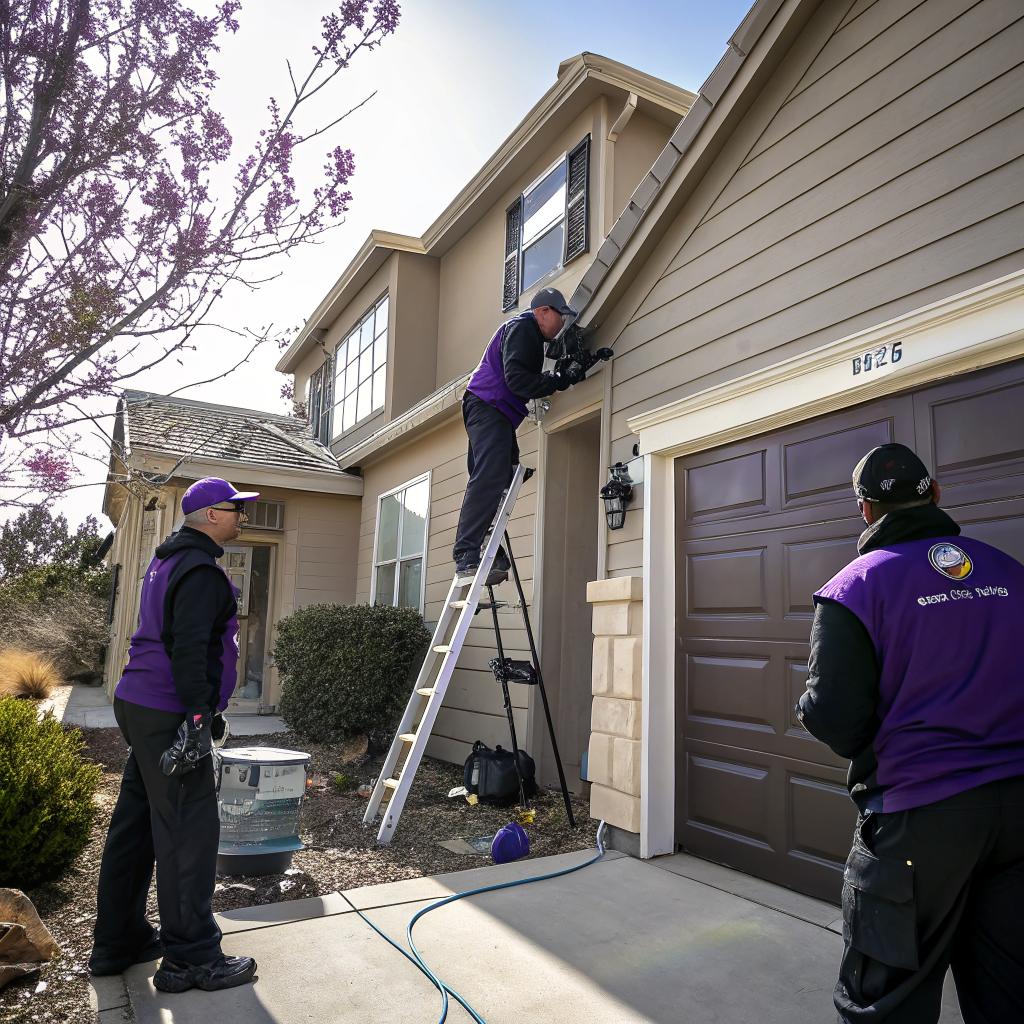
I used to think painting companies were all about ladders, brushes, and someone’s uncle who “knows a guy.” Then I watched a local crew in Colorado Springs run a whole exterior project using phones, laser gadgets, and a tablet that never left the project manager’s hand.
If you want the short version, here it is: a modern painting company Colorado Springs uses tech to plan faster, quote more accurately, pick better products, manage crews, keep dust under control, and give you clearer updates, without turning your house into a software lab. Tech is not replacing painters. It is just helping the best ones work in a smarter, calmer way.
How tech actually shows up on a painting job
You might expect some big fancy system with headsets and drones. That is not what usually happens.
What you see instead is a quiet mix of simple tools:
- Phones and tablets for photos, notes, and quick drawings
- Apps for job tracking, estimates, and schedules
- Moisture meters, laser measures, and color readers
- Dust control tools and smart sprayers
- Shared folders for before and after pictures
None of that sounds dramatic, but on an actual project it changes a lot. It changes how the estimator walks your house. It changes how the crew talks to each other. It even changes how you pick a color for your hallway.
Let me walk through the main areas where tech quietly makes painting in Colorado Springs work better, without pretending it is magic.
Digital estimating: from guesswork to measured numbers
On older jobs, an estimator would step off distances, squint at siding, and write numbers on a clipboard. Some still do that, to be fair. But more serious companies now work very differently.
Laser measures and digital plans
The first big change is how they measure:
- Laser distance meters for walls, ceilings, and siding lengths
- Photo-based measuring tools for trim and details
- Basic CAD-style apps for sketching room layouts
So instead of “this room is around 12 by 14,” they have “11.7 by 13.8 with 8 foot ceilings and 42 linear feet of baseboard.”
That level of detail lets them estimate paint, primer, and labor more accurately. It sounds boring, but:
Accurate measurements mean fewer surprise charges later and fewer “we ran short” delays in the middle of your job.
If you care about numbers, some estimators even show you the math on their tablet, line by line. That transparency is not always perfect, but it is much better than a single final number with no context.
Estimate software instead of spreadsheets
Many painting companies now use simple job management tools. They are not very glamorous, but they do these things well:
| Old way | Tech-supported way |
|---|---|
| Loose papers, handwritten notes | Digital forms with photos and room-by-room details |
| Estimates typed up later, sometimes delayed | Estimate drafted on-site, often sent the same day |
| Easy to lose info or misread handwriting | Central record everyone on the team can see |
You might still get a PDF in your inbox, but behind that PDF is a job record with materials, square footage, and notes. If you call back in six months wanting to repaint one wall, they can pull it up.
I have seen people underestimate this. But when storms, schedule changes, and multiple jobs hit at once, the company with better job tracking tends to stay calmer.
Photos and video during the estimate
During the walk through, a tech-forward estimator will often:
- Take photos of problem spots like peeling trim or hairline cracks
- Record short clips describing what prep is needed
- Tag areas by room or exterior side, like “north wall top story”
Sometimes they even show you the photos right away to point out issues.
Detailed photos from the estimate phase help the crew show up prepared, with the right primers, fillers, and tools for your specific house, not just a generic kit.
If the crew leader can review this on a tablet before they arrive, they avoid that awkward morning scramble where someone realizes the ladder is too short or they forgot wood filler.
Moisture meters, prep tools, and Colorado weather
Colorado Springs is dry much of the year, but you still get snow, fast temperature swings, and sun that can ruin siding. Tech helps painters read what is going on beneath the surface.
Moisture and temperature checks
For exterior work, especially on wood, smarter painters use:
- Moisture meters for siding and trim
- Infrared thermometers for surface temperature
- Weather tracking apps for humidity and wind
You might think that is overkill. Sometimes it is. But if you paint wood that is still damp from snowmelt, you will get peeling much sooner.
Quick moisture checks give painters real data on whether your siding is ready for paint, instead of guessing based only on touch or habit.
It can be slightly annoying when they say, “We should push this side of the house to tomorrow, the readings are still a bit high.” On the other hand, that small delay can mean the difference between a 2 year and a 6 year exterior cycle.
Power tools and dust control
For prep, the tech shift shows up more in tools than in apps:
| Tool | Old approach | Tech-supported approach |
|---|---|---|
| Sanding | Basic sandpaper or simple orbital sanders | Dust-extracting sanders connected to vacuums |
| Scraping | Hand scraping into drop cloths | Scrapers plus vacs and filters to keep chips contained |
| Debris control | Manual sweeping at end of the day | HEPA vacs during prep so less settles in the first place |
Inside a house, dust-controlling tools make a big difference, especially if you have allergies or kids around.
It is fair to ask the crew what dust control they actually bring, not just what the estimator mentioned. Tools only help when they are used.
Color selection: from paint chips to screens and sensors
Color is where tech feels most visible to you.
Color matching with handheld readers
You may have seen small devices that scan a wall or a pillow and try to match the color to a paint brand. Some painting companies own these, some borrow them from suppliers.
They are not perfect. Shadows, gloss, and dirt affect readings. But they are helpful when:
- You want to repaint one room to match another, but you lost the old paint can
- You like the color of a piece of furniture and want a wall to echo it
- You move into a house and have no idea what the existing color is
The reader gives a close match, and then the painter still uses their eyes. There is a human judgment step that screens cannot replace. To be blunt, sometimes the device suggests a color that looks wrong in person, and a good painter will say so.
Digital color tools and room previews
Most major paint brands offer free apps that let you:
- Take a picture of your living room
- Tap different walls
- See a rough preview of how colors may look
Some painting companies walk customers through these apps on a tablet. They might pre-load a few popular palettes that work well in Colorado light, which tends to be strong and clear.
I think these previews are better seen as rough guides, not guarantees. Phone cameras and screen brightness change how you see everything.
Use digital previews to narrow down choices, then always test actual paint samples on your walls in different light before you commit.
The nice part is that tech cuts your decision from “hundreds of colors” to “three or four likely options.” That alone saves a lot of time and mental energy.
Scheduling, communication, and job tracking
This is where tech quietly keeps everyone sane.
Online scheduling and text updates
Most painting companies in Colorado Springs now rely on simple scheduling platforms. Some are just shared calendars. Some are full job systems.
For you, this usually looks like:
- Email or text confirmation of dates and crew arrival time
- Reminders a day or two before start
- Updated timing if weather changes plans
It feels minor, but it helps if you need to arrange pets, kids, or work-from-home days. It also cuts miscommunication where you thought they were coming Tuesday and they thought Thursday.
If a storm rolls in over the Front Range, a text like “We will start on the east side Wednesday instead” is not high tech, but it is much better than silence.
Shared job info for the whole crew
On larger jobs, the person who sold the work is not always on site every day. Tech helps bridge that gap.
Here is what usually happens:
| Role | How tech helps |
|---|---|
| Estimator | Uploads notes, photos, and scope to a job file |
| Crew leader | Views job file on a phone or tablet before starting |
| Office staff | See schedule, material needs, and change requests |
If you request an extra room, the crew leader can log it, the office can update the invoice, and the estimator can approve or adjust the price. It still requires honest people, but the record helps.
I have seen jobs where this system caught mistakes, like an extra bathroom that was forgotten during the estimate. The crew could check the scope and say, “This was not on the plan, but we can add it for X.” That transparency is much better than surprise charges at the end.
Daily photos and progress tracking
Some painting companies take daily progress photos and upload them to your job file. Sometimes they send a short update:
- “Day 1: completed washing and scraping on west and south sides.”
- “Day 2: primed bare wood and did first coat on upstairs.”
At first this might feel excessive, like a construction diary. But if you are not home during the day, it lets you see what is actually happening.
Tech does not guarantee they will be honest about progress, but it makes it easier to check. If you ask what they finished, they can show you photos instead of vague answers.
Paint sprayers, smart tips, and quality control
This area can be slightly controversial. Some people still think brushes and rollers are the only “real” way to paint.
How sprayers link with tech
Modern airless sprayers and HVLP units often have features like:
- Pressure controls with digital displays
- Tips designed for better control and less overspray
- Some even track use to signal when maintenance is due
The point is not to blast paint faster. It is to lay down a more consistent film thickness. On exteriors in Colorado Springs, where UV and wind are rough on coatings, an even coat matters.
Here is a basic comparison:
| Method | Typical use | Tech angle |
|---|---|---|
| Brush and roller | Detail work, trim, smaller rooms | Better with good lighting and careful surface prep |
| Sprayer + back roll | Large walls and exteriors | Controlled pressure, smart nozzles, smoother finish |
If a company combines spraying with back rolling (rolling walls after spraying), you often get both coverage and texture. It is more work than just spraying, but tech makes it more manageable.
Quality checks with simple tech
You do not need fancy sensors to check quality, but some tools help:
- LED work lights to catch missed spots and lap marks
- Wet film gauges to check thickness of coatings on exteriors
- High-resolution phone cameras for close-up inspection and records
Phone cameras in particular have changed a lot. A crew leader can zoom in on a trim detail, show you a concern, or send it to the office for a second opinion.
Tech cannot replace good prep or technique, but it can expose flaws faster so they get fixed while the crew is still on site, not two weeks after payment.
You still need to walk the job yourself. Tools help, but your eyes and expectations matter more.
Paint chemistry, data sheets, and Colorado conditions
Behind every nice marketing label there is a technical data sheet. That document covers:
- Recommended temperature and humidity range
- Dry time before second coat
- Coverage per gallon
- Surface prep needs
Tech means those sheets are now a tap away on a phone. A painter does not have to guess or rely on memory for each product.
Choosing the right product for Colorado Springs
Colorado Springs has:
- Strong sun exposure
- Cold winters with freeze-thaw cycles
- Dust, pollen, and sudden wind
Good crews often:
- Check UV resistance for exterior paints
- Look at flexibility and adhesion for trim and siding
- Pick products that handle big temperature swings
This might sound like marketing talk, but if they actually check data sheets and past job records, you can see patterns. For example, a company may know that a specific exterior product holds color better on south-facing stucco in this climate.
The tech is not glamorous here. It is more about: can they pull up that information quickly and make a choice based on it.
Tracking products across jobs
Some job systems let companies record exactly which product and color went on each house, plus the date.
That helps later when:
- You want touch-up and cannot remember the color name
- You plan a new project and want to know what primer is underneath
- The company looks back to see which products aged well
If they have a photo and product record from, say, five years ago, they can review how that paint behaved. That feedback cycle is very quiet, but valuable.
How homeowners who like tech can work with a painting company
If you care about tech, you might want to nudge your project in a slightly smarter direction. Not every idea is useful. Some can overcomplicate things.
Here are practical questions to ask, without sounding like you want to run their job for them.
Questions about their tech habits
You can ask:
- “How do you measure and record the areas you are painting?”
- “Do you keep job notes and photos in a system that your crew can see?”
- “What do you use to control dust indoors?”
- “How do you track schedule changes or weather delays?”
- “Can you share before and after photos when the job is done?”
Listen less to the buzzwords and more to the specifics. If they talk about particular tools, apps, or processes with clear examples, they probably use them regularly.
If they just say “We are very high tech” without details, be skeptical.
Where tech helps you directly, and where it does not
Helpful tech for you:
- Clear written estimate with line items
- Email or text scheduling and updates
- Digital color previews plus actual samples
- Documented product info for future touch-ups
Less helpful, or even distracting:
- Overly complex portals you never log into
- Fancy project dashboards that no one updates
- Tech talk used to gloss over a weak prep plan
Sometimes the best companies are pretty modest about their tools. They just use what works and talk more about timing, prep, and clean-up than software features.
Common myths about tech and painting
Tech in trades seems to attract some odd myths. A few are worth unpacking.
Myth 1: “If they use tech, they must be more expensive”
Not always. In some cases:
- Better estimates avoid padding for “unknowns”
- Smarter scheduling reduces downtime between jobs
- Less wasted paint and fewer callbacks save costs
You might pay a bit more for certain prep tools or dust control, but you may avoid repainting sooner. Trying to chase the lowest bid without looking at process is a mistake.
Myth 2: “Tech replaces craftsmanship”
Good painting still depends on:
- Surface prep habits
- Brush and roller control
- Attention to edges and cut lines
No app does that. What tech can do is free up time and attention. If a crew is not scrambling with missing notes or unclear colors, they can focus on the actual painting.
I have also seen the opposite problem: teams hiding behind tools while leaving basic prep undone. That is not a tech problem. That is a people problem.
Myth 3: “More tech always means a better result”
This might be the most common trap. A simple system that is used every day beats a fancy system used once a month.
If a small crew has:
- A shared calendar
- Photo records
- Moisture meters and dust control
- Clear written scopes
they might do better work than a larger company with a big software suite that sits unused.
The goal is not to have the most gadgets. The goal is to have just enough tech to reduce mistakes and leave more energy for real craftsmanship.
You can usually feel the difference on site. When things are thought out, the job moves in a smoother way, with fewer “we need to run back to the shop” moments.
A simple tech checklist for choosing a painter
If you want a quick way to judge whether a painting company in Colorado Springs uses tech in a sensible way, you can use a basic checklist.
| Area | What to look for | Why it matters |
|---|---|---|
| Estimating | Laser measures, photo notes, clear line items | Reduces surprises and change orders |
| Prep | Dust control tools, moisture checks | Better surfaces, cleaner home |
| Color | Color matching tools, digital previews plus samples | Fewer regrets after walls are painted |
| Communication | Text/email updates, job photos | Keeps you in the loop without chasing them |
| Records | Product and color logs for your job | Makes future touch-ups or projects easier |
If a company hits most of these, you are probably dealing with a team that treats your project as more than a one-off gig.
One last question: does tech actually make the paint job better?
Short answer: it can, but only when used by people who care about the basics.
If a company:
- Uses measuring tools and photos to scope the job carefully
- Brings moisture meters and dust control to protect your home
- Helps you narrow colors using both apps and real samples
- Sends updates and records products for later
then tech probably improves your experience and the final result.
If they talk about tech, but their prep is rushed, the crew is late, and no one seems to read the notes, then all the gadgets are just a layer of noise.
So the real question is not “How much tech do you use?”
A better question for any painting company in Colorado Springs is:
“Can you show me, in simple terms, how your tools and systems help my project finish cleaner, last longer, and go more smoothly than if you did everything the old way?”