I used to think termites were something you only worried about if you lived out in the country with a wood cabin and a big porch. Then I saw a thermal camera image of a suburban wall in Southlake crawling with hidden activity, and it changed how I think about home tech completely.
If you just want the short answer: yes, smart home tech can make a real difference for termite control in Southlake, but it works best as a support system, not a replacement for a proper inspection and treatment plan. The most practical setup is a mix of connected moisture sensors, a few smart cameras, some smart plugs or leak detectors, and recurring visits from a local service like termite control Southlake to handle the parts no gadget can see or treat. The tech gives you early signals, better monitoring, and fewer surprises. The pros handle the actual termites.
Why tech people should care about termites in Southlake
If you like tech, you probably enjoy control, data, and predictability. Termites are the opposite of that.
They work silently.
They live in places you cannot easily see.
And by the time you notice them with the naked eye, they may have been active for years.
Southlake has a humid climate and plenty of wood-framed homes. That is a perfect match for termites. It is not a nice match for anyone who cares about keeping their home value and their network rack in a stable, dry, structurally sound place.
Smart home gear will not “solve” termites, but it can shorten the time between the first sign of trouble and your first targeted response. That time gap is what often decides how bad the damage gets.
If you already run a few sensors, cameras, or a hub like Home Assistant, SmartThings, or Apple Home, you are halfway there. You just need to rethink where and how you use that hardware.
How termites behave in North Texas homes
Let me keep this short and practical. You do not need a biology lecture, just a pattern you can design around.
Most Southlake homeowners deal with subterranean termites. They:
– Nest in soil outside or under the slab
– Travel through hidden mud tubes into the structure
– Go for damp, softer wood first
– Work for years with almost no surface clues
Why does this matter for smart tech?
Because if you know they follow moisture, darkness, and still air, you can decide where to focus your sensors, what alerts to treat as “priority 1”, and what is probably just normal house noise.
Key smart home strategies for termite risk reduction
Here is the mindset shift: you are not trying to “detect termites” directly. You are trying to:
- Detect conditions that termites like
- Notice changes in those conditions over time
- Catch small structural or moisture clues before they spread
- Store data you can show a professional if needed
Think of your home as a system that sometimes drifts toward “termite friendly”. Your tech job is to nudge it back.
1. Use moisture sensors like an early warning layer
If you only pick one smart tool for termite risk, pick moisture sensors.
Termites chase moisture. Long term leaks and damp wood are like a signal flare for them.
You can set up sensors in places that are annoying to inspect often:
– Under sinks in kitchens and bathrooms
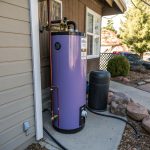
– Near or under the water heater
– Around HVAC air handlers or in the attic drip pan
– Behind or under washing machines
– Near exterior walls that face sprinkler systems
A simple battery powered sensor that alerts your phone when moisture appears is not glamorous, but it catches a lot of future trouble early.
Moisture is often step one in the chain that leads to termites. If you break that chain where it starts, you cut a lot of risk without chasing bugs directly.
You can connect these sensors to your hub and trigger:
– Phone notifications
– Smart plug cutoffs for the washing machine
– Colored smart bulbs that switch to red in the hallway
– A log entry in Home Assistant with date and time
That last one matters more than it sounds. If you call a pro and say “We had a leak near this wall on these dates,” they know exactly where to focus their inspection.
2. Watch your irrigation and soil contact with smart controls
This is one of those boring parts that tech people sometimes ignore, then regret.
Termites love soil that stays damp against the foundation. Sprinklers that hit walls or keep flower beds wet against siding give them that environment.
Smart irrigation controllers with zone control and weather awareness can help. I am not going to pretend they stop termites, but they make it easier to keep the outer edge of your home drier:
– Reduce watering near the foundation
– Skip watering on cooler or rainy days
– Set shorter, more frequent cycles for lawns, longer gaps for beds near the house
If you connect your irrigation controller to your home hub, you can even:
– Pause watering in problem zones when moisture sensors near those walls trigger
– Log changes so you can see patterns over months
You might still need to adjust sprinkler heads manually, but the tech gives you feedback and a safety net.
3. Use cameras in strange ways, not just for security
Most people put cameras on front doors and garages and stop there. From a termite angle, that is a missed chance.
Consider adding small indoor or semi-indoor cameras in “boring” places:
– The garage, pointing at the base of the wall where it meets the floor
– The attic, pointed at a suspect rafter or near HVAC lines
– A crawl space entry, looking along the joists if your house has one
You are not trying to watch them like a livestream every day. The value comes from:
– Time lapse or periodic images
– Change detection (some cameras support this)
– Historical footage when you later think “Has that crack or stain always been there?”
If a camera sends you a clip because it detected motion and that motion turns out to be swarming insects near a light or window, you now have a timestamp. That is often enough to push you from “I will check that later” to “I should book an inspection this week.”
4. Noise and vibration monitoring: nice-to-have, not magic
Some people talk about acoustic detection for termites like it is sci-fi. The reality is more mundane.
Termites do produce sounds when they chew or when soldiers signal by tapping. In theory, very sensitive vibration sensors can pick this up.
In practice, a typical consumer smart home setup has:
– Too much background vibration
– Too much general noise
– Not enough isolation to separate termite sounds from everything else
If you are curious, you can:
– Place vibration sensors on quiet interior walls
– Log unusual patterns that occur at night when the house is still
But I would treat this as an experiment, not a primary defense. If that sounds disappointing, I think that is better than pretending this is a simple “plug it in and catch termites” solution.
Connecting smart tech with professional termite control
This is where some people take a wrong turn. They think smart gear replaces professionals.
It does not.
What it does is give you visibility and data that makes your professional service more targeted and often more effective.
What smart sensors can tell a termite specialist
Imagine you call a termite company and instead of saying “I heard some noises,” you say:
– “The moisture sensor behind the downstairs bath triggered three times last month, all on rainy days.”
– “The attic camera caught winged insects near this specific beam around 9 pm on two separate nights in May.”
– “The irrigation logs show that the front flower bed along the north wall was getting daily watering until last week. Now it is twice a week.”
Here is the kind of thing that changes for the tech who shows up:
– They know which side of the house and which rooms to focus on
– They may drill fewer unnecessary holes
– They can inspect the right voids behind walls where leaks happened
– They can advise on exact spots where ventilation or grading is weak
Some companies are starting to like homeowners who already track this data. It saves them guesswork.
How smart homes fit with different treatment approaches
There are several common termite treatment and monitoring methods in Southlake. Smart tech interacts with each in different ways.
| Treatment / Method | How it works | How smart tech helps |
|---|---|---|
| Liquid trenching around foundation | Creates a treated soil barrier that termites cross and carry back to the colony | Sensors help you avoid overwatering and soil washout that might weaken treated zones |
| Bait stations in soil | Stations attract termites, which carry bait back to the colony | Outdoor cameras or simple logs remind you to check exposed stations or gates; weather sensors track heavy rain patterns that may affect placement |
| Spot treatments indoors | Targeted drilling and injections at known activity points | Historical moisture data and images help pinpoint where activity probably began |
| Annual inspections | Visual and sometimes tool based checks of structure | You can export or show logs of alerts, leaks, camera clips, and irrigation changes from the past year |
The pattern is simple: the more your smart home tells a pro about history and conditions, the less they are guessing in the dark.
Smart zoning: focus on real risk areas in a Southlake house
Not every square foot needs a sensor. That would turn into clutter and constant battery changes.
Think about termite friendly zones instead of rooms.
Zone 1: Foundation and soil contact
This is the frontline. You cannot cover it all, but you can target key parts.
Look at:
– Where mulch or soil touches siding
– Where sprinkler heads point at walls
– Where you have attached decks, porches, or steps
Practical ideas:
– Use smart irrigation settings to keep water away from the first 12 to 18 inches next to the house when possible
– Set a reminder twice a year in your hub to walk the foundation and look for mud tubes or soft spots
– Use a simple outdoor rated contact sensor on access gates to remind you when it is time to open them and inspect bait stations, if you have them
It sounds like a lot on paper, but in reality it is 10 minutes twice a year plus some automation.
Zone 2: Bathrooms, kitchens, and laundry areas
These are high moisture, high pipe density spots. That alone makes them interesting to termites.
Here, tech has very clear jobs:
– Catch slow drips early
– Warn you about standing water at the base of cabinets
– Alert you if appliances move or tilt from small leaks underneath
Set up:
– Under sink moisture sensors
– A smart water valve that can cut water to the house or a specific line if many sensors trigger in a short time
– Simple automations like “if leak in kitchen, flash living room lights blue” so you notice it even if your phone is charging in another room
You are not doing this “for termites.” You are doing it because water damage is expensive. Breaking that chain also happens to remove one of the main lures for termites.
Zone 3: Attics, crawl spaces, and garages
These are the places people rarely want to enter, which is exactly why termites like them.
For tech minded homeowners, these spaces are also where you often run network cables, routers, or power strips. So you care on multiple fronts.
Good targets for gear:
– Temperature and humidity sensors in the attic
– A camera facing key rafters or near HVAC units
– Contact sensors on attic or crawl space doors, tied to yearly “inspection nudge” reminders
If your humidity stays high in the attic, that can lead to wood that is more inviting to termites and other wood eaters. It also is not great for wiring or insulation.
You can feed the sensor data into your hub and:
– Trigger smart attic fans or whole house fans
– Nudge smart thermostats to run short fan only cycles
– Send reports to yourself every few months so you see seasonal ranges
The point is not to create a perfect climate graph. It is to notice outliers. “Why did attic humidity jump this month?” is a useful question that might lead you to a ventilation issue or leak.
Automations that quietly help with termite risk
If you like rules and flows, this is where it gets more interesting. You can chain small signals together so that one odd event does not spam you, but patterns get your attention.
Basic automations that anyone can build
Here are a few ideas that fit into most hubs:
- If any moisture sensor near an exterior wall triggers, send a high priority phone notification and snapshot from the nearest camera.
- If two different moisture sensors trigger within one hour, close the main smart water valve and turn one hallway light red.
- Twice a year, send yourself a reminder to:
- Walk the foundation
- Check sprinkler direction
- Scan attic camera images for new stains or cracks
- If attic humidity stays above a threshold for 24 hours, send an email or notification with a short log and tip to check roof or soffit vents.
None of these say “termite” in the rule, but they all quietly push the house away from conditions that termites like.
More advanced flows for home automation fans
If you enjoy Home Assistant or Node-RED, you can go further.
A few examples:
– Combine weather data with irrigation data to see when heavy rain plus frequent watering might be soaking certain beds near the house. Then, auto adjust those zones down for a week.
– Use computer vision on attic or garage camera snapshots to flag new discoloration areas along beams or drywall seams, then tag those images so they are easy to show to a pro.
– Build a simple “home health report” script that sends you a monthly snapshot of:
– Average and peak humidity in attic and crawl space
– Count of moisture alerts
– Any irrigation schedule changes that affected zones within a certain distance of the foundation
These are not necessary for everyone. But if you already enjoy tinkering with automation, this is a way to connect that hobby to real world structural protection.
Where smart home tech cannot replace real termite work
This part tends to get skipped in tech blogs, but I think ignoring it would be misleading.
Smart home setups:
– Do not see inside walls the way pro tools or drilling do
– Do not apply treatments, baits, or barriers
– Do not identify termite species or growth stages
– Do not carry insurance or warranties for your structure
You can be very tech savvy and still miss a termite colony that has been active for years behind a quiet, dry wall.
That is why pairing tech with scheduled, physical inspections still makes sense. Some homeowners try to “DIY everything” and end up spending more on repairs than they would have spent on regular professional visits.
Signs that mean you should stop tweaking your app and call someone
If you see or record any of these, your next move should be an inspection, not just a new automation:
- Soft, hollow sounding wood when you tap baseboards or trim
- Small, maze-like patterns when paint bubbles or cracks
- Mud tubes along the foundation or on interior walls
- Piles of what looks like coffee grounds or tiny pellets near wood
- Winged insects swarming indoors or at windows, especially in warmer months
Your cameras or sensors might be the first tools to spot these signs, but once they do, it is time for a human with tools and training.
Budgeting and planning a phased setup
If you already have a lot of smart gear, you might only need to move or repurpose some devices. If you are starting from a simple setup, it helps to plan in phases.
Phase 1: Cheap, high impact upgrades
Start where the cost is low and impact is clear:
– A few moisture sensors in bathrooms, kitchen, and near exterior walls
– A basic leak valve or manual shutoff plan
– A recurring calendar or hub-based reminder for semiannual foundation and attic checks
Focus on getting alerts working reliably. Fancy graphs can wait.
Phase 2: Deeper monitoring and logs
Once you trust the basics:
– Add humidity sensors in attic and crawl spaces
– Move one existing indoor camera to the garage or attic for periodic snapshots
– Connect irrigation to your hub if it is compatible
Here you are building a picture of how your house behaves over seasons.
Phase 3: Fine tuning and smart reports
Finally, for those who enjoy more advanced setups:
– Create monthly or quarterly “home condition” summaries
– Tie irrigation adjustments to rainfall and moisture sensor patterns
– Use tags or folders for any images that show stains, cracks, or swarms, so they are easy to show a termite inspector
This phase is less about adding hardware and more about using the data you already collect.
Common myths about tech and termites
You will probably see a lot of strong claims online. Some are wrong. A few half truths keep showing up too.
“If I add enough sensors, I will always catch termites early”
No, you might not.
You can reduce risk. You can shorten detection times in some cases. But termites can still:
– Travel in unexpected paths
– Hide in dry wood for long periods
– Avoid areas you happen to monitor
What tech does is shift the odds a bit in your favor. It does not guarantee success.
“Smart traps can replace professional bait systems”
There are DIY sensors and traps that light up when something walks through or eats bait. They can be interesting, but they usually:
– Lack the treatment compounds that licensed pros use
– Are not tested or labeled for long term colony control
– Need manual checking and replacement that most people forget about
They might give you data. They do not give you a protection plan on their own.
“Thermal cameras or smart cameras will show me all termite activity”
Thermal images can reveal hot spots, moisture, and sometimes patterns that suggest voids or activity.
But several things get in the way:
– Many smart cameras have limited resolution for thermal detail
– Sunlight, HVAC ducts, and basic insulation issues can look like “activity”
– Termites can be present in places with subtle temperature changes that the consumer sensor cannot pick out
If you use thermal images at all, treat them as a nudge that says “check here,” not as proof of anything.
Using tech to build habits, not just alerts
There is one last piece that people do not talk about much. It is less about gadgets and more about behavior.
Tech can help you remember slow, boring tasks that protect a house. And that might be the biggest win.
You can:
– Set a yearly “termite and moisture check” day in your smart calendar with a simple checklist
– Let your voice assistant talk you through:
– Walking the foundation
– Peeking into the attic
– Checking sprinkler directions
– Pressing on a few baseboards in bathrooms and kitchens
– Tie these events to seasons that make sense for Southlake, like early spring and early fall
Tools are not just there to alert you when something is wrong. They can guide you through a simple routine that keeps things from going wrong so often.
And since you probably already talk to your phone, watch, or speaker every day, this does not feel like a big new chore. It is just another small routine.
Questions people who like tech often ask about termites
Can I build a completely DIY termite detection system?
You can build parts of a monitoring system: moisture, temperature, cameras, alerts, logs. Those parts help with conditions and early clues.
You cannot realistically build your own full detection and treatment system that matches what trained professionals do in the field. There are safety rules, chemicals, tools, and inspection methods that go beyond consumer gear.
In my view, the best outcome comes when a tech minded homeowner does the monitoring and history tracking, then partners with a local termite service on a clear schedule.
What is the single most valuable device for termite risk reduction?
If I had to pick just one category, I would choose moisture sensors around water sources and near exterior walls.
They prevent hidden leaks from turning into long term damp wood. That protects against termites, mold, and general structural damage.
If you already have sensors, the next “most valuable” thing might simply be a standing schedule for professional inspections. It is not a gadget, but it closes the loop your tech opens.
Is smart termite control mostly about safety or about convenience?
It is more about risk management than convenience. You will still need to do inspections and occasionally crawl into places you do not like.
The tech reduces guesswork, catches some problems earlier, and lets you show a clear history whenever you talk to a pro. It does not make termites convenient, but it does make them less of a surprise.
What part of your current smart home setup, if any, could you repurpose this week to watch the places in your house that termites might like the most?