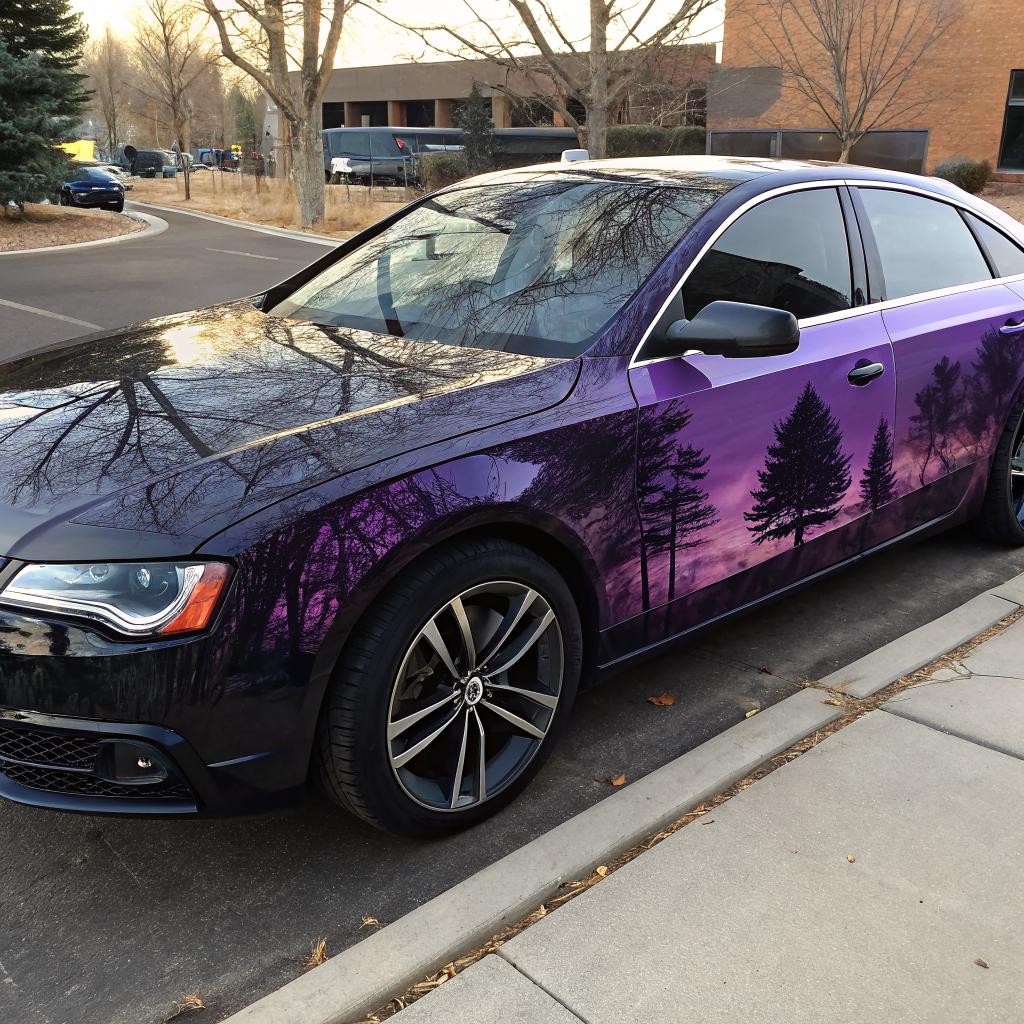
I used to think car wraps were just loud graphics for people who liked attention. Then I moved to a higher elevation city and realized they are actually a pretty smart tech upgrade for your car, especially if you care about hardware, screens, and, well, anything that lives outside.
If you just want the short answer: car wraps Colorado Springs are worth it if you live in this area and care about both tech and cars. The UV levels are high, road debris is constant, and wraps give you a reversible way to protect paint, play with design like a skin on a laptop, and avoid a much more expensive respray later. They behave almost like a physical “layer” in software: you can add, remove, or change that layer without touching the original system underneath.
Why tech-minded people care about car wraps in Colorado Springs
If you like tech, you are probably already used to protective layers.
You put a case on your phone, a skin on your laptop, a protector on your smartwatch. A car wrap is the same basic idea, just scaled up and affected by heat, wind, high UV, and gravel.
Colorado Springs has a few specific factors that make wraps more than just cosmetic:
- High UV exposure at altitude
- Big temperature swings, including cold mornings and strong sun during the day
- Sand, gravel, and mag chloride on the roads in winter
- Plenty of commuters and hobbyists driving mountain roads
In that setting, paint ages fast. Clear coat fades, chips show up, and repairs start to look like a version mismatch between panels.
If you treat your car like a long-term device, not a disposable gadget, a wrap is basically preventive maintenance for the exterior.
You can think of it as a physical “API layer” over your paint that handles the harsh environment while the core system stays stable underneath.
What exactly is a car wrap, in practical terms?
At a simple level, a car wrap is a thin vinyl film that covers panels of your car. It can be printed with graphics, or it can be a solid color with different finishes like gloss, satin, or matte.
But for a tech-focused reader, the interesting part is the material behavior and how precise the application has to be.
How the material works
Most quality wraps use:
- Polymeric or cast vinyl, which is flexible and conforms to curves
- Pressure-sensitive adhesive that can be repositioned during install
- Air-release channels to reduce bubbles when you squeegee it
- A top layer that resists UV and minor scratches
It reminds me a bit of screen protector installs, but on a bigger, more complicated surface. The adhesion improves with time and with light heat. That means the first 24 to 48 hours after installation are where you do not want to pick or stress the edges.
Think of a wrap as a shell that protects the original OS, not a firmware rewrite.
If you remove it correctly, the underlying paint can look almost the way it did the day it was wrapped, assuming it was in good condition to begin with.
Full wrap vs partial wrap vs accents
For Colorado Springs drivers, there are three common setups:
- Full color change wrap: Every visible painted surface is covered. This gives you a completely new color, often at less cost than a good-quality paint job.
- Partial wrap: Hood, roof, trunk, mirrors, or stripes. Good if you want contrast or extra protection where most rock chips happen.
- Accent pieces: Chrome delete, small stripes, lower door protection strips. More like styling and minor defense combined.
You do not have to go all-in if you are not ready. Many people start with the hood and front bumper, then expand later when they see the difference in wear.
How Colorado Springs weather affects wraps
Anyone who has lived here through one full year knows how weird the conditions can be.
Cold, snow, then strong sun a few hours later. Dry air almost all the time. That mix is hard on plastics and paint.
UV and high altitude
At higher elevation, UV intensity is stronger. That affects two things:
- Your paint and clear coat fade faster if unprotected.
- Low-quality vinyl can crack, fade, or get chalky.
If you are comparing wrap options, this is where tech-minded thinking helps. Do not just look at color charts. Ask for data:
- Brand and product line of the vinyl film
- Expected outdoor lifespan in high UV settings
- Coverage terms on the warranty for fading and cracking
Quality films from big manufacturers usually publish exposure test results. They know installers will ask.
Temperature swings and expansion
Vinyl expands and contracts more than paint. During install, good shops account for this. They stretch film carefully and do not overstress it around tight corners.
If the material is pulled too far, it can shrink back over time and expose edges or create tension that leads to lifting.
That is similar to a cable that has no slack in a tight case. It might work on day one, then fail once the system heats up.
Road debris and mag chloride
The front of your car gathers the most damage:
- Sand and small stones kicked up on I-25 and Highway 24
- Mag chloride and ice melt chemicals sprayed on winter roads
- Frequent bugs during the warmer months
Paint chips become rust if you ignore them. Wraps do not stop heavy impacts, but they absorb quite a bit of the wear from small stuff.
If your priority is strictly defense, you might also look at clear paint protection film for the most exposed areas. Many people use a mix: clear film on the bumper and hood, colored wrap on the rest.
Design choices that appeal to tech lovers
If you like clean interfaces and hardware aesthetics, wraps are strangely satisfying. You can give your car the same kind of look you enjoy on gadgets.
Finish and texture options
Here are common finish types and how they feel in person:
| Finish | Visual effect | Good for |
|---|---|---|
| Gloss | Looks similar to fresh paint, reflective | OEM-like look, bright colors, daily drivers |
| Satin | Low sheen, softer reflections | Modern, subtle style with less glare |
| Matte | Flat look, low reflection | Minimalist, stealth or “device-like” styling |
| Color-shift | Changes color with angle and light | Show cars, people who want something unusual |
| Textured (carbon, brushed) | Pattern plus slight texture | Accents, mirrors, roof, small panels |
The “techy” choices usually end up being:
- Matte or satin gray, black, or navy
- Gloss white with black accents
- Subtle carbon fiber on mirrors or roof instead of full color shift
You might want your car to feel like that piece of gear you keep on your desk: clean lines, clear color choices, nothing noisy.
Minimal branding vs loud graphics
For someone who spends their day around software, hardware, or engineering, large printed graphics might feel a bit too loud.
You can keep things subtle:
- Monotone wrap with a secondary color on the roof and mirrors
- Thin line accents along character lines on the car
- Small logo near the rear window instead of a full side graphic
Or, if you run a tech company, hardware shop, or IT service, a wrap can also be a moving billboard. QR codes, short URLs, and simple icons work better than lots of text, especially in traffic.
Cost breakdown: wraps vs paint vs doing nothing
Many people hesitate at wrap pricing because it sounds high at first glance. But it helps to compare it to the alternatives.
Typical cost ranges
These are rough ranges for a standard sedan or small SUV in Colorado Springs, based on current market norms. Actual quotes will vary with film brand, color, and the complexity of your car.
| Option | Low range | High range | What you get |
|---|---|---|---|
| Basic repaint | $2,500 | $5,000+ | New paint, may lack factory-level finish |
| High-quality repaint | $6,000 | $10,000+ | Better prep, better materials, long downtime |
| Full quality wrap | $2,500 | $5,500 | Color change or solid color, reversible, 3–7 year life |
| Partial wrap | $400 | $1,500 | Hood, roof, mirrors, or small sections |
For many tech people, the logic feels similar to upgrading mid-life hardware. You would rather spend a moderate amount early to extend lifespan than wait until the whole device fails and replace it.
Hidden costs if you wait too long
If you do nothing:
- Rock chips turn into rust spots.
- Fade on one side of the car becomes very visible.
- Resale value drops, and buyers start adding “paint correction” as a negotiation point.
If you wrap earlier, you are blocking some of that wear. At removal time, the car looks better than it would have if it sat unprotected in the same environment.
From a cost-per-year view, a wrap is often cheaper than the long-term hit you take on resale and repainting if you let high-altitude sun eat your clear coat.
Installation quality: where the “tech” mindset helps
This is where overthinking becomes useful. Good wraps are not just about having a steady hand. They need process, planning, and quality control.
Prep work is basically “surface debugging”
A proper wrap starts with:
- Thorough wash and decontamination
- Removal of wax, sealants, and grease
- Clay bar or similar methods to remove embedded particles
- Panel inspection for chips, scratches, and failing clear coat
If the surface has big defects, the film will not sit flat. Edges may lift, and you might see outlines of scratches under the vinyl.
Think of that as unpatched bugs in a codebase. If you just slap new features on, the old problems still show up in production.
Edge wrapping and panel removal
You can usually tell an installer cares about detail by how they treat edges and trim:
- They wrap vinyl slightly around panel edges instead of cutting flush with the edge.
- They remove door handles, emblems, sometimes bumpers when needed for a clean finish.
- They avoid deep cuts near paint and use knifeless tape where possible.
If you look into a door jamb and see a hard paint/vinyl line but do not care about that area, that is fine. Many daily drivers accept that compromise to save cost. For show cars, you might ask for more hidden areas to be covered.
Install time and environment
Most full wraps take 2 to 5 days. If someone says they can do it in one day, and it is a large vehicle, that should raise questions.
You want:
- Indoor, clean workspace
- Controlled temperature, not too cold or too hot
- No strong airflow kicking dust onto the panels
A rushed, dusty job can look fine on day one but start lifting and collecting dirt around edges within a few weeks.
Care and maintenance for wraps in Colorado Springs
Car wraps do not need extreme care, but they do better with routines. Think of it like firmware updates and regular cleaning on your favorite gadget.
Basic washing rules
General guidelines:
- Wait a few days after install before washing.
- Hand wash with a mild car shampoo and soft mitt.
- Avoid harsh chemicals and strong solvents.
- Skip automatic washes with brushes.
High-pressure touchless washes are usually acceptable at a safe distance, but it is still kinder to the vinyl to stick with gentle methods whenever you can.
Dealing with snow, ice, and salt
In winter:
- Do not chip at ice with hard scrapers on wrapped areas.
- Use a soft brush to remove snow.
- Rinse mag chloride off the car fairly soon when temps allow.
Mag chloride can dry on film and leave marks over time. You do not need to panic about every drive, but letting it sit for weeks is not ideal.
Sun exposure and storage
High-altitude sun is the main long-term stressor. Simple steps help:
- Park in a garage when possible.
- If you park outside all day, consider a car cover at home at least.
- Use gentle spray sealants made for vinyl to add a bit of UV resistance.
This is like lowering brightness and using dark mode on an OLED screen to reduce burn-in. Small habits extend lifespan.
How wraps compare to other exterior protection tech
If you are deep into cars and tech, you have probably heard about ceramic coatings and clear paint protection film. It can get confusing, so putting them side by side helps.
Quick comparison
| Product | Main role | Look | Protection level | Color change? |
|---|---|---|---|---|
| Car wrap (vinyl) | Style + moderate protection | Paint-like or custom | Good vs light chips, sun, minor marks | Yes |
| Paint protection film (PPF / clear bra) | Physical defense | Clear, near-invisible | Higher protection vs chips, impacts | No |
| Ceramic coating | Hydrophobic, ease of cleaning | Gloss enhancement | Low vs chips, some UV benefit | No |
For Colorado Springs, a lot of tech-focused owners end up with layered setups:
- PPF on the front clip (bumper, partial or full hood, fenders).
- Vinyl wrap on the rest of the car for color and extra coverage.
- Ceramic coating on top to make washing fast and reduce staining.
That stack feels a bit like layers in a software system. Each one has a small, focused job.
Choosing a wrap shop in Colorado Springs with a tech mindset
You asked for something specific here without quite saying it: how does a tech person avoid being sold marketing fluff?
I think you can treat this like picking a hardware vendor or cloud provider. You look for process, references, and clear answers, not just flashy pictures.
Questions that reveal experience
When you talk to a shop, try questions like:
- What film brands do you prefer, and why?
- Do you have any cars I can see in person that you wrapped at least 2 or 3 years ago?
- Which parts of my specific car are tricky to wrap cleanly?
- What is not covered by your warranty or guarantee?
If you get vague or defensive answers, that is a red flag. Good installers are usually blunt about tradeoffs: where seams will appear, what can and cannot be wrapped, and how long things realistically last in our climate.
Red flags to watch for
Some signs you might want to keep looking:
- They refuse to say what film brand they are using.
- The quote is far below others with no clear reason.
- They promise the wrap will last forever in full sun.
- The workspace looks dusty, cluttered, or poorly lit.
You would not host a production server in a random room packed with open vents and exposed wires. Your car wrap deserves similar thinking.
How different types of tech people use wraps
You did not ask for personas, but real examples make this less abstract. These are typical use cases I have seen or heard about, not strict rules.
The EV owner
Own a Tesla, Rivian, or other EV in Colorado Springs?
Common motivations:
- Protect the factory paint on expensive panels.
- Stand out among many similar cars, but in a clean way.
- Cover up soft paint that shows swirl marks easily.
Typical choices:
- Satin gray or satin white full wrap with black roof.
- PPF on front, wrap on the rest.
- Light branding if the car is also a company vehicle.
The hardware tinkerer
If you build PCs, mod keyboards, or enjoy DIY, wraps appeal for another reason. They scratch the “custom build” itch.
Use cases:
- Match car colors to a custom PC build or workspace theme.
- Apply smaller custom graphics, like PCB patterns or minimalist line art.
- Test colors temporarily before committing to paint on a long-term build car.
You might even design the graphics yourself and have a shop print and install them.
The remote worker or freelancer
If your car is part of your brand, but you are not a huge company:
- Simple logo and URL on a monotone wrap.
- QR code near the rear for people who see the car parked.
- Neutral colors that look professional at client visits.
You do not need massive lettering on every panel. A restrained wrap can still say “I care about detail” without screaming it.
Common myths about car wraps that do not match reality
There is a lot of half-true advice online. Some of it is harmless, some is not.
“Wraps ruin your paint”
If the paint is in good shape before the wrap and the installer knows their job, the opposite is true. The film shields the paint.
Problems show up when:
- You already have failing clear coat or rust.
- The installer cuts too deep near edges.
- Cheap film bakes on and becomes brittle.
So, it is not that wraps are bad. It is that wraps on already damaged paint or done by careless installers can pull up weak areas when removed.
“Only show cars need wraps”
In Colorado Springs, daily drivers probably have more need than show cars. Show cars might sit in garages and go out on nice days. Daily drivers live in sun, snow, and traffic.
Wraps bring:
- Protection for commuting in all seasons.
- Temporary color or branding if your situation changes a lot.
- A buffer if you like to keep cars longer than average.
If anything, the more miles you do, the more value you get from a wrap.
“You can DIY a full wrap with some patience”
For small accents and specific panels, a skilled DIY person can definitely handle vinyl. I think that part is fine if you enjoy tinkering.
Full wraps, especially on modern cars with complex curves, are different. You need:
- A clean indoor space.
- Heat control and material handling experience.
- The ability to avoid over-stretching and cut without hitting paint.
The cost of fixing mistakes on a full wrap can end up higher than paying a good shop from the start.
If you would not try to reball a GPU without the right tools, you probably do not want to wrap a full car on your driveway either.
When does a wrap make sense for you personally?
You asked me not to agree with everything, so let me say this: a wrap is not a must-have for everyone in Colorado Springs, even if some shops act like it is.
It does make sense when:
- You plan to keep the car at least a few years.
- You care about appearance and resale more than the average owner.
- You park outside often or do a lot of highway driving.
- You like tech-style customization and do not want to repaint.
It might not make sense when:
- You swap cars every 1 to 2 years.
- The paint is already in very poor condition.
- You never wash your car and do not care how it looks.
In those cases, your money might go further on maintenance, tires, or other upgrades.
Quick Q&A for tech lovers thinking about wraps
How long does a wrap usually last in Colorado Springs?
With quality film, proper install, and basic care, you are often looking at around 4 to 7 years of good appearance on a daily driver. Constant open-sun parking and no washing push you to the lower end. Garaged cars with gentle care run closer to the upper end.
Will a wrap protect me from all rock chips?
No. It helps, but it is not armor plating. Small chips and scratching are reduced quite a bit. Bigger stones or debris can still leave marks or even tear the film. That said, it is cheaper to replace film than repaint metal in most cases.
Can I wrap over existing chips or fading paint?
You can, but you should not expect miracles. Chips might show through slightly as small low spots. Failing clear coat or peeling paint is a real problem, because the vinyl adhesive needs a stable surface. If panels are flaking, get those areas fixed first.
Will a wrap affect my vehicle warranty?
Most factory warranties focus on mechanical systems, not color. Wrapping panels should not touch engine, drivetrain, or electrical coverage. Paint warranty claims might get more complicated if you have a wrap on top, though, so read your documents and ask your dealer directly.
Can I remove the wrap myself later?
You can, but it is much easier with proper heat, patience, and some experience. On older wraps, adhesive can stick more strongly. Many people prefer to pay the same shop that did the install to remove it, simply to save time and frustration.
Should a tech person overthink this decision?
You probably will anyway. That is how your brain works. But if you zoom out: if the car is valuable to you, lives in sun, and you like the idea of changing its “UI” without permanent changes, a wrap in Colorado Springs is a reasonable, practical upgrade.
If you had to decide today, what bothers you more: the cost of the wrap, or the idea of watching your paint slowly fade and chip over the next few summers?