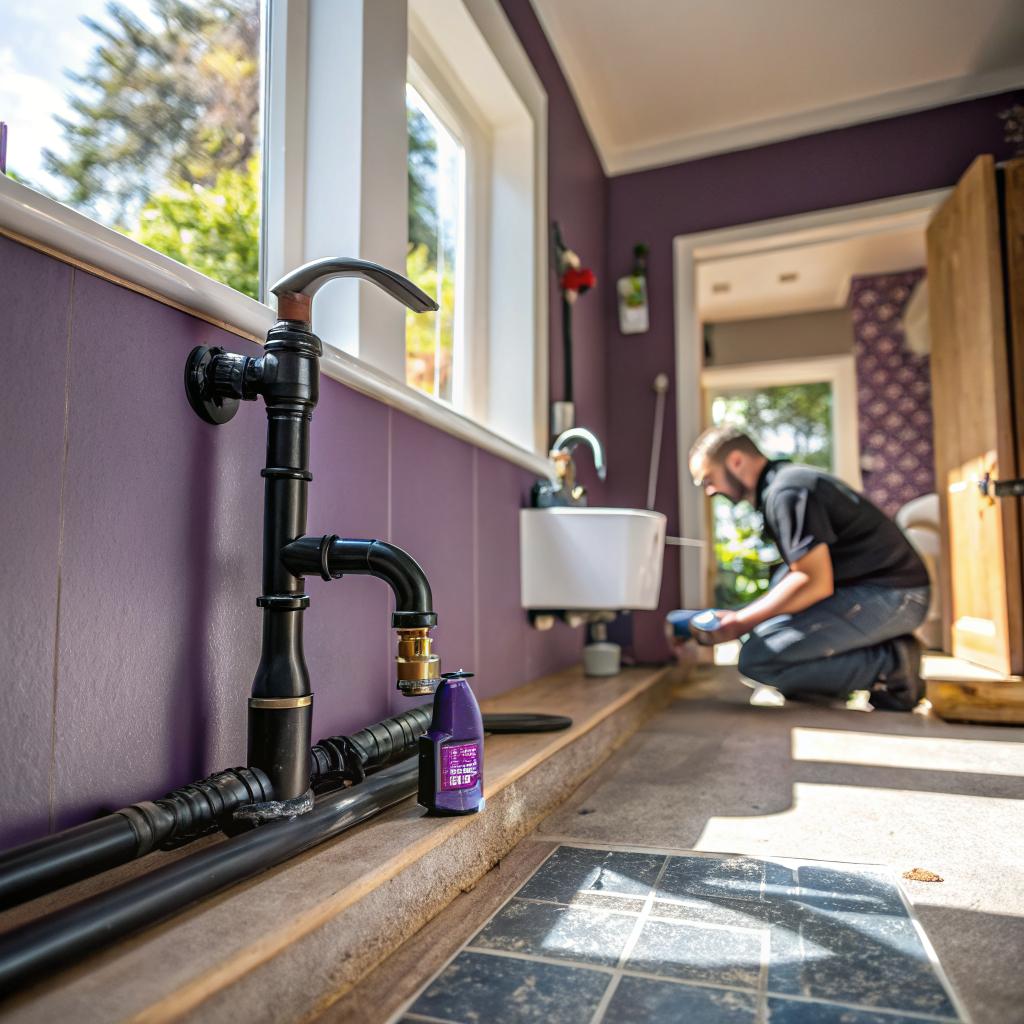
I used to think “smart home” problems meant my Wi‑Fi dropping or my app freezing. Then a pipe burst in my basement at 2 a.m., and I realized none of my gadgets mattered if the water would not stop.
If you want the short version: when a plumbing disaster hits in Aurora, you need to kill the water fast, protect your electrical gear, and call a local pro. Your smart devices can help, but they are not a replacement for knowing where your shutoff valves are, having a basic kit ready, and having a reliable emergency plumbing Aurora contact saved in your phone before something goes wrong.
Why smart home people should care about “boring” plumbing
If you are into tech, you probably think more about routers and hubs than copper pipes.
Plumbing feels old school. Until a pipe breaks over your home server. Or a slow leak ruins your home theater cabinet. Water is still the one thing that can wipe out your setup in minutes.
If you care about your smart home gear, you should care about your plumbing at least enough to not panic during the first 5 minutes of an emergency.
Smart home users actually have a small advantage. You already think in systems, failover, alerts, and backups. Plumbing emergencies fit right into that mindset.
Here is where this guide is going, in simple terms:
- What “emergency” really means for plumbing in Aurora
- How to shut things down fast, even half asleep
- How to make your smart sensors and cameras work for you, not just blink at you
- What to do before the plumber arrives, so you do not turn damage from bad to catastrophic
- Basic, boring checks that save your tech gear and your walls
If that sounds too practical and not very “smart”, that is sort of the point.
What counts as a plumbing emergency in Aurora
People throw the word “emergency” around too easily. A slow drip from a faucet is annoying, but you can probably sleep on it. Some problems cannot wait, though.
Situations that are true emergencies
- Water spraying from a pipe or hose
- Major leak from a ceiling or wall
- Toilet backing up with no other toilet working
- Sewage smell and gurgling drains
- No hot water in winter, especially with kids or older adults at home
- Water near electrical panels, outlets, or extension cords
If you are thinking “maybe it will stop on its own”, it usually will not. At least not before it ruins flooring, drywall, and maybe a few devices.
If you would feel unsafe leaving the house for a few hours with the problem as it is, treat it as an emergency.
Things that can usually wait a bit
- Slow drip under a sink that you can catch with a bowl
- A toilet that runs but still flushes
- A sink that drains slowly but still drains
- A single fixture without water when others work fine
Here is a simple table to help sort it in your head.
| Problem | Emergency? | What to do first |
|---|---|---|
| Water spraying or flooding | Yes | Shut main water, move electronics, call plumber |
| Ceiling leak under a bathroom | Usually yes | Shut water to that bathroom, place buckets, call same day |
| Toilet overflowing | Yes if ongoing | Stop water supply, plunge once safe, call if repeated |
| Slow drain in one sink | No | Try basic cleaning, schedule normal visit |
| No hot water in winter | Often | Check breaker/gas, then call for urgent help |
You can argue about one or two of those rows, and plumbers might too, but the idea is simple: anything that spreads fast or risks health should not wait.
The 5 minute rule: what to do the moment water goes where it should not
The first few minutes matter most. This is where you stop damage from spiraling.
Step 1: Stop the water flow
This sounds obvious, but in a real emergency people forget. They grab towels and buckets before they do the one thing that actually changes the situation.
You need two things in your head before anything ever goes wrong:
- Where is your main water shutoff valve?
- Where are the local shutoff valves for sinks, toilets, washer, and water heater?
If you do not know, that is your first “homework” after reading this.
In many Aurora homes, the main shutoff is:
- In the basement where the water line enters the house
- Near the water heater
- Sometimes in a crawl space or a mechanical room
Take a photo of it. Tag it in your phone. Even label it in real life with tape and a marker.
When a pipe fails, the order is simple: small valve if you can see it and reach it, main valve if you cannot stop the leak fast.
Smart home angle: if you install a smart main shutoff valve that can close automatically when a leak sensor trips, you get even faster response. But that only helps if:
- You test it at least once or twice a year
- You remember how to close it manually when Wi‑Fi is out
Tech fails during storms and outages. A physical handle does not.
Step 2: Kill power where water is going
The second thing is your electrical panel.
If water is near:
- Power strips
- Desktop PCs or NAS units on the floor
- Home theater power centers
- Extension cords
Then do not just start grabbing devices. That is risky.
If you can reach the main breaker safely with dry hands and a dry floor, turn off the affected circuit or, if you are not sure, shut the main for the house. Losing power for a few hours is annoying. Electrocuting yourself is worse.
Smart plugs and smart power strips are nice for normal days. In an emergency, a simple breaker flip still wins.
Step 3: Protect the tech first
Once water is not spreading as fast, think about gear.
You probably have:
- Routers on shelves, which is good
- But maybe a UPS on the floor
- Or a gaming PC sitting right where water flows
- Or a 3D printer or server rack in the basement
If it is safe, lift electronics off the floor. Put them on sturdy chairs, tables, or upstairs. Unplug them first. Do not yank by the cord through water.
You can always replace drywall. You do not want to replace a NAS that had your photo backups, your Home Assistant config, and everything else.
How smart sensors, hubs, and cameras can actually help
Smart home tech is not magic, but it can buy you time. Or let you react while you are away.
Leak detectors that do more than beep
Wi‑Fi or Zigbee leak sensors are cheap compared to damage from a broken supply line.
Good spots for them:
- Under each sink, near the back
- Behind or beside toilets
- Next to the washing machine
- Near the water heater
- Under your fridge if it has a water line
Connect them to:
- Your phone with push alerts
- A smart speaker that can announce “Water detected in laundry room”
- If you have one, a smart shutoff valve that closes when certain sensors trigger
The key detail plenty of people skip: test monthly. Pour a tiny amount of water near a sensor and see if you get an alert. If you moved routers or changed Wi‑Fi passwords, your sensors might quietly be offline.
Cameras and smart speakers as “remote eyes and ears”
Indoor cameras pointed at risky spots are not only for security.
For plumbing, point a cheap camera at:
- The area around the water heater
- The basement ceiling under bathrooms
- The laundry area
Pair that with voice assistants in common areas. You can say something like:
“Hey, is there water on the floor in the basement?” Then check the camera on your phone while you are at work or on a trip.
It feels a bit paranoid at first, but once you live through one near-miss, you start to see the value.
Smart logs to see patterns before emergencies
You might already track energy use. You can do something similar with water.
Some smart meters and clamp-on devices give:
- Graph of daily water use
- Alerts for continuous small flow at night
- History you can pull into Home Assistant or similar
If you see a tiny but constant draw at 3 a.m. every night, that often means:
- Running toilet
- Slow leak in a line or valve
- An outdoor spigot not fully closed
Catching that early turns a future emergency into a boring weekend repair.
Plumbing basics every smart home owner in Aurora should know
You do not need to become a plumber. But there are a few basic pieces that make emergencies less chaotic.
Know your system layout, at least roughly
If you own the home, grab a notebook or a simple home wiki and note:
- Location of main water shutoff
- Location of local shutoffs for sinks, toilets, washer, and water heater
- Where the water heater is, and whether it is gas or electric
- Where the sewer cleanout is, if visible
You can also sketch a basic layout:
- Bathrooms over certain parts of the basement
- Which walls likely have supply lines and drains
This helps when a ceiling leak appears. You can guess “this is under the kids bathroom” instead of staring at wet drywall in confusion.
Understand your water heater at a simple level
Since hot water issues are common in Aurora, it helps to know:
- The age of your water heater (check the label)
- Its size in gallons
- Whether it has a leak pan and drain line
- Where its shutoff valves and breaker or gas shutoff are
A failing water heater can go from “no hot water” to “tank leaking” surprisingly fast.
Red flags include:
- Rusty water from hot taps
- Popping or rumbling sounds from the tank
- Moisture or rust at the base of the tank
- Frequent resets of the breaker
If you start seeing those signs, do not wait for a full emergency. Schedule service before you wake up to a soaked floor.
Basic tools and supplies you should keep nearby
You probably own a pile of tech tools. A tiny plumbing kit can be simple:
- Adjustable wrench
- Channel lock pliers
- Plunger (one for toilets, one for sinks if you want)
- Roll of Teflon tape
- Flashlight or headlamp
- Duct tape and plastic sheeting or thick trash bags
- Zip ties
- Gloves
You are not going to rebuild pipes with this. The goal is only to stop or slow things until a pro shows up.
Planning ahead: smart emergency playbook for your home
Think of this like a disaster recovery plan for your physical house.
Document your shutoffs and share with your household
If you are the “tech person” in the house, you probably know all the routers, logins, and IP addresses by heart. That is fine, but do other people know:
- Where the main water shutoff is
- How to close a toilet supply valve
- Which breaker kills the basement
Do a 10 minute “tour” with your partner, kids (if old enough), or roommates. It might feel awkward. That is alright. Emergencies are more awkward.
You can even print a simple page and stick it inside a kitchen cabinet:
- Water main: Basement next to furnace, red handle
- Electric panel: Garage, right wall
- Plumber number: In contacts under “Plumber”
This is boring, but boring is good when things go wrong.
Create simple automations that help, not overwhelm
If you already have a hub, you can set up a few automations that actually change how you respond.
Some ideas that are not too complex:
- Leak sensor in basement triggers:
- Phone notification with loud custom sound
- Voice alert on all smart speakers
- Turns on all basement smart lights
- Power outage detector (smart plug that notices power loss) triggers:
- Notification so you can check sump pump if you have one
- Water flow monitor detects constant flow at night triggers:
- Notification suggesting “Check toilets and outdoor hoses”
Keep it simple. If you create 40 different alerts, you will start ignoring them. Choose the few that really matter.
Specific emergency scenarios and what to do
Here are some common events and a realistic sequence that blends tech and “old” plumbing steps.
1. Burst pipe in winter
You hear rushing water, maybe a strange hiss, or your leak sensor screams.
Steps:
- Shut the main water valve.
- Turn off power in the affected area if water is near outlets or strips.
- Open a few cold water taps to release pressure in lines.
- Move electronics, rugs, and anything sensitive from the area.
- Place buckets or plastic under the leak if safe.
- Call a local emergency plumber and describe roughly where the leak is.
Smart help:
- Leak sensors to detect the issue early
- Cameras to show you where water is coming from if you are not home
Plumber tip you may not like: they might tell you that part of your system needs serious work, not just a patch. It is tempting to ask for the cheapest fix. Sometimes that only sets up the next emergency a few months later.
2. Toilet overflow during a party or gathering
Embarrassing, but very common.
Steps:
- Do not flush again. That is the instinct. Ignore it.
- Take off the toilet tank lid.
- Lift the float or push the flapper closed to stop more water from entering the bowl.
- Turn the shutoff valve on the wall to stop water flow.
- Use a plunger once the water level drops a bit.
- If multiple drains back up or you smell sewage, call for help.
You probably will not have a leak sensor behind every toilet, but for the main bathroom, placing one nearby is not a bad idea.
3. Water heater leak or failure
If your hot water goes out or you notice puddles:
- Inspect the area around the base of the tank with a flashlight.
- Check the temperature and pressure relief valve line for dripping.
- Shut off the cold water supply to the heater if it is actively leaking.
- Turn off power:
- Electric: flip the breaker.
- Gas: set the control to “off” and close the gas valve if needed.
- Move nearby items off the floor.
- Call for service quickly, as a failing tank rarely fixes itself.
Smart sensors near the heater can catch slow leaks long before you see them.
4. Basement leak near your networking closet
This is a nightmare scenario for tech people.
If a pipe above your rack starts leaking:
- Shut the main water if you do not see a local valve.
- Turn off power to that part of the house.
- Unplug gear that is safe to reach and move devices to higher ground.
- Aim fans at the area once the leak stops to dry it out.
- Check for water in outlets behind the rack before turning power back on.
- Call a plumber to repair the leak and maybe advise on rerouting lines away from critical gear.
Later, think about:
- Raising your rack on a solid platform
- Adding leak sensors above and below the area
- Keeping critical backups in a different physical location
It is not paranoia. It is the same logic you use for cloud backups, just applied to a basement.
Working with a plumber when you are “the tech person”
People who live in smart homes sometimes clash with tradespeople. Not always, but it happens.
A few things to keep in mind.
Do not overcomplicate the first phone call
You might feel like giving a very detailed technical description.
Something like: “Water pressure seems normal in the rest of the system but I suspect the mixing valve by the tankless unit is failing intermittently…”
The dispatcher or plumber mainly needs:
- What you see and hear
- How long it has been happening
- Where in the house it is
- Whether you shut the water off
Plain phrases like “water pouring from ceiling near kitchen” or “no water at any tap, but neighbors have water” are clear and save time.
Ask honest questions, not just “is this normal”
If something confuses you, say that. But be specific.
Better questions:
- “What usually causes this type of leak in homes like mine?”
- “What can I watch for to catch this earlier next time?”
- “Are there parts of my plumbing that are near end of life?”
You are allowed to say you do not understand an explanation. That is not a failure. Plumbing has its own jargon just like tech.
Share your smart home setup briefly
If you have:
- Smart shutoff valves
- Sensors that may trip while work is happening
- Cameras in the work area
Mention it.
This is not about showing off. It helps them not be surprised when a valve closes while they are testing, or when a camera is above their head. And yes, you probably should tell them when a camera is recording nearby. That is just basic courtesy.
Preventing emergencies: less glamorous, more effective
No one is excited about preventative checks. It feels like updating firmware on something that already works. Still, you know that skipping firmware can cause bigger problems later.
Plumbing is similar.
Simple seasonal checks for Aurora homes
Aurora has cold winters and freeze risks. That shifts what you need to watch.
| Season | Quick checks |
|---|---|
| Fall |
|
| Winter |
|
| Spring |
|
| Summer |
|
You can even set calendar reminders or simple repeating tasks in your to‑do app. That is not overkill; it is just you treating your house like a system.
Watching for small early warning signs
Tiny signals often come before emergencies:
- Cabinet bottom under sink feels slightly warped or stained
- Musty smell in a specific closet or corner
- Random, very brief burst of water sound in walls at night
- Mild discoloration on a ceiling
If you notice something and think “perhaps that is nothing”, you do not have to panic. Just:
- Take a photo
- Note the date
- Check again in a week
If it spreads or worsens, move it up your priority list.
Turning your smart home into a slightly smarter plumbing system
Your smart home likely started with convenience or fun. Voice lights. Remote locks. Music in every room.
Plumbing does not feel fun. But you can still make it part of the system.
Some simple projects that fit into a tech‑minded weekend:
- Install 3 to 5 leak sensors in key locations
- Add a smart main shutoff if your budget allows
- Point one spare camera at the water heater and basement ceiling
- Create one scene: “Emergency” that turns on all lights and plays a short spoken instruction like “Check water main in basement”
- Store plumber contact info, water shutoff photos, and panel locations in a shared family note
You do not need to perfect any of this. Progress is enough. Each small step means that when something goes wrong, you lose less money, less data, and probably sleep better.
Q & A: Quick answers to questions tech‑minded homeowners often ask
Do I really need leak sensors if my house is small?
Yes, at least in a few places. The size of the house does not change how fast water can ruin flooring or tech gear. Sensors are relatively cheap compared to one insurance deductible.
Is a smart main shutoff worth it, or is that just gadget chasing?
It depends on your risk. If you are away often, have a finished basement, or keep valuable tech on lower levels, a smart shutoff can prevent very large damage. If you are almost always home and have unfinished spaces, you might be fine with only sensors and a clear shutoff plan.
Can I DIY most emergency fixes if I am handy with tools?
You can handle small things like replacing a faucet, clearing simple clogs, swapping a supply line, or adjusting a toilet fill valve. For hidden leaks in walls, main lines, gas water heaters, or anything touching sewage, a licensed plumber is the safer option. Being good with servers does not transfer directly to pressurized water systems.
What is one thing I should do this week after reading this?
Find your main water shutoff and make sure it actually turns. If it does not, get that repaired before you buy any new smart gadget. Everything else is secondary.