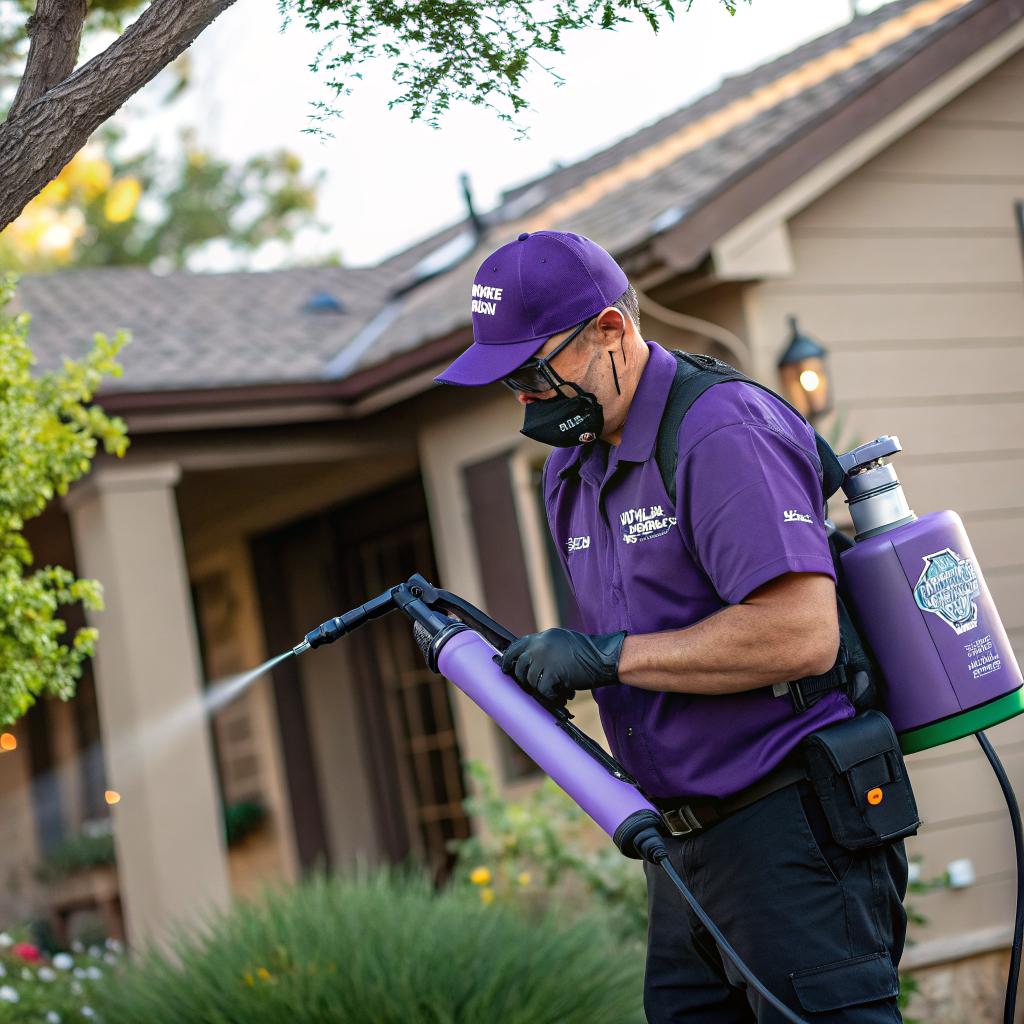
I used to think pest control was a guy with a truck, a sprayer, and a strong stomach. Then I watched a tech savvy team work on a house in Fort Worth, and it felt closer to a network audit than a bug spray visit.
If you want the short version: the tech savvy exterminators Fort Worth residents trust keep pests out by treating your home like a system. They collect data, scan like they are doing security tests, seal physical “ports,” track activity over time, and only then use targeted products, often in smaller amounts than old school operators. It is more like debugging than just blasting everything with chemicals.
Why pest control in Fort Worth is becoming a tech problem
Fort Worth is not a friendly place if you want a pest free life. Heat, humidity, short winters, lots of construction, older neighborhoods, and plenty of food sources. From a tech mindset, the area is like a network full of open ports and weak passwords.
If you live here, you probably deal with at least one of these:
- Ants building new trails every rainy week
- Roaches that seem to ignore store sprays
- Rodents in attics or garages when seasons change
- Termites if you are unlucky and your house is older
- Mosquitoes that treat your backyard like a meetup spot
Old style pest control focuses on one idea: spray perimeter, maybe set some traps, and schedule the next visit.
Tech savvy exterminators treat it very differently. They see:
Pests as “intruders,” your house as “infrastructure,” and your habits as “user behavior” that either helps or weakens the system.
So instead of a one time blast, they build something closer to a security plan. That is what makes this topic interesting for people who care about tech, even if you do not care much about ants themselves.
Step 1: Inspection that feels like a security audit
Good techs do not start with chemicals. They start with data.
You will see them walk around your house with:
- Bright flashlights and inspection mirrors
- Tablets or phones for logging notes and photos
- Moisture meters when termite risk is on the table
- Thermal or infrared cameras for rodents and hidden nests
They are checking things that sound very similar to what a security engineer does.
Entry points and “ports”
They look for:
- Gaps around pipes, cables, and vents
- Unsealed weep holes in brick
- Roofline gaps at eaves and soffits
- Poorly sealed garage doors
- Ripped screens and loose weather stripping
From a tech angle, think of this as closing unused ports. If you do not lock down ports, you keep chasing viruses. Same idea here.
If an exterminator jumps to spraying without walking the property and checking entry points, they are not doing real prevention. They are just putting a bandage on a configuration problem.
Conditions that “attract” pests
They also log what we might call “environment variables”:
- Standing water in plant saucers or low spots
- Wood piles near exterior walls
- Overgrown shrubs touching siding or roof
- Bird feeders or pet food outside
- Clutter in garages and attics
They are mapping what pests gain from your setup. In software terms, it is almost like checking for all the ways you accidentally exposed API keys on GitHub.
Using digital note taking and history
Modern teams do not trust memory. They log everything:
- Location tagged photos of droppings, chew marks, or trails
- Digital floor plans of your home and yard
- Date and time of each finding
- Previous product use and where it went
Over time this data shows clear patterns:
The real progress in tech based pest control is not a random new gadget. It is that pros now keep history like a good monitoring system, instead of “I think we sprayed this side last time.”
If you care about repeatable results, that matters more than some flashy device.
Smart monitoring: from glue traps to sensors and cameras
Once they understand the current state, good exterminators move to monitoring. This feels very familiar if you work with servers, networks, or smart home setups.
Low tech tools, used in a smarter way
Even the simple stuff gets used with a tech mindset:
- Glue boards and snap traps in mapped patterns
- Exterior bait stations tracked with labels or QR codes
- Colored flags or markers near burrows or nests
They use a kind of “placement strategy” instead of random guesses. Under appliances, along attic beams, near runways along fences. Almost like placing monitoring agents where traffic is highest.
Electronic monitoring for rodents and wildlife
Some Fort Worth companies now offer tools like:
- Electronic rodent stations that send alerts when tripped
- Trail cameras with motion sensors near suspected entry areas
- Remote temperature or vibration sensors in sensitive spots
This is not used in every house. It tends to show up in:
- Larger homes with complex attics
- Properties with repeat rodent problems
- Commercial spaces with health rules
Is it overkill for a light ant problem? Yes. For a restaurant with a rat that avoids standard traps, it can be the difference between guessing and knowing exactly where it runs every night.
Data over “gut feeling”
Older style techs might say, “I think they are in the walls.” Newer techs want proof:
- Photos of droppings and smear marks
- Camera footage of movement
- Trap hit counts and timestamps
That data changes treatment. If traps in one attic corner trigger five times in a week and the rest stay empty, you focus there. Less random chemical spread, more precision.
Treatment as “patching vulnerabilities” instead of blanket spraying
Here is where the approach really shifts.
A lot of people picture pest control as a guy walking around with a tank, spraying along the base of every wall. Tech savvy exterminators treat that as the last step, not the first.
Exclusion: physical fixes as your first layer
First, they seal and block. Some common work you will see:
- Sealing cracks with caulk or mortar
- Adding metal mesh over vents and weep holes
- Installing door sweeps on exterior doors
- Foam sealing around AC lines and cable entries
- Repairing soffits and fascia gaps in the roofline
Think of this as patching software. If you never patch, you will always be chasing exploits. It is the same with pests.
Targeted treatments, not “spray everything”
Once physical fixes are done, then they pick treatments:
- Gels for ants and roaches in cracks, not everywhere
- Non-repellent sprays along known trails
- Termite baits in specific soil zones
- Dusts in wall voids or attics where moisture is low
Many of the best products today are “non-repellent.” That means insects walk through them, do not notice, carry it back, and spread it in their colony. That is much smarter than trying to kill every visible ant in one pass.
If your exterminator cannot explain what they are applying, where, and why that product is right for that location, you are not getting a tech level service. You are getting a routine spray.
Safer choices through better targeting
A weird thing happens when tech improves: use of harsh chemicals often goes down.
Because they know:
- Exactly where nests sit
- Precise runways rodents use
- Moisture levels for termites
- Entry points insects prefer
They can use smaller amounts, with better results. For families with kids or pets, that matters more than any marketing line.
Smart home overlap: when your Wi Fi and pest plan meet
If you are already into tech, you probably have at least some smart devices at home. Cameras, door sensors, a Wi Fi thermostat, or leak detectors.
Some of that actually helps pest control.
Cameras and motion sensors
Your existing smart cams can:
- Reveal raccoons or opossums using your fence or roof at night
- Show rats running along walls or near AC units
- Catch squirrels finding entry points near soffits
If you share that footage with your exterminator, they can skip a lot of guesswork and go straight to roofing areas or wall sections that need sealing.
Smart plugs and automation
You can use tech for prevention in small ways:
- Smart plugs to control garage or porch lights, which change where flying insects gather
- Automated fans or dehumidifiers in damp rooms that attract pests
- Smart irrigation control so your yard is not always soaked
Less moisture and fewer night lights near doors can cut down certain pests more than you might expect.
Simple table: examples of tech and how it helps
| Tech you might already own | How it helps keep pests out |
|---|---|
| Outdoor security cameras | Show animal paths, roof access points, and time of activity |
| Smart door / window sensors | Reveal which access points are left open most, and for how long |
| Smart irrigation system | Reduces standing water and soaked soil that attract insects |
| Leak detectors | Alert you to moisture that can draw termites and roaches |
| Wi Fi thermostat | Helps keep attics and interiors at levels less friendly to some pests |
Tech on its own will not keep pests away, but if your exterminator understands it, they can fold it into their plan.
Data and scheduling: your “maintenance window” for pests
Most tech people accept that systems need maintenance:
- OS updates
- Firmware patches
- Regular backups
Pest control is similar. Fort Worth is not a place where you treat once and forget.
Why recurring service is useful, without hype
In North Texas, many pros recommend service every:
- 90 days for standard pest issues
- 60 days for heavy activity or older homes
- Once or twice a year for termites, with monitoring in between
It is not just to “lock you in.” Weather changes drive new waves of pests each season. Heavy rain, long dry periods, cold snaps, heat streaks. Each one changes movement patterns.
A tech savvy exterminator will adjust:
- Product types and locations based on season
- Focus areas depending on what their data shows
- Time between visits if activity goes up or down
If your provider gives you the same treatment in January and August, without explanation, they are missing the point of all this data.
Simple logs you should keep as the homeowner
Even if you are not obsessive about it, these notes help a lot:
- Dates you see clear pest activity spikes
- Where in the house you see droppings or damage
- Weather or events around that time, like heavy rain or remodel work
- Any DIY sprays or traps you used
When your exterminator shows up and you say, “I heard noises in the attic around 2 am on rainy nights for 3 weeks,” that information is gold. It is the difference between random searching and focused work.
When DIY tech is enough and when it is not
This is where I will push back a bit. A lot of tech people think, “I can just buy gadgets and solve it myself.” Sometimes that is true. Often it is not.
Where DIY tools can actually help
You can do a decent job in some cases:
- Minor ant trails inside, using gel baits placed carefully
- Light mosquito control with fans, repellents, and water cleanup
- Monitoring with cheap cameras or basic glue boards
For simple, low level issues, you do not always need a full service. If you enjoy tinkering, you might even like figuring it out.
Where you are likely to hit a wall
Here are situations where tech alone is not enough:
- Rodents inside walls or attic, especially repeat issues
- Termite activity near the structure
- German roaches in kitchens or bathrooms
- Bed bugs, no matter what the internet says
The problem is not lack of gadgets. It is:
- Product access: many effective products are for pros only
- Experience: knowing where to look instead of guessing
- Safety: applying in a way that does not create more problems
- Building knowledge: understanding construction details
I understand the urge to solve it all with tech and YouTube. But some areas reward specialization more than tinkering.
Questions to ask your exterminator if you care about tech
If you are reading a tech site, you probably like clear explanations. You do not want vague promises.
Here are questions that reveal if you are dealing with a tech savvy pro or just a “spray and pray” operator.
Questions about inspection and diagnosis
- “What are the main entry points you see, and how would you fix them?”
- “What signs tell you which pests we actually have, not just a guess?”
- “Can you show me photos or notes from your inspection?”
You are listening for details, not generic lines.
Questions about products and methods
- “Which products are you planning to use and why those?”
- “What areas will you avoid treating, and for what reason?”
- “How do you handle resistance, like ants or roaches that survived other treatments?”
A good pro will have very clear, practical answers. If someone pretends every product is secret or “special,” that is a red flag.
Questions about data and follow up
- “Do you keep digital records of my treatments and what you find?”
- “How will you know if the plan is working after 1 or 2 visits?”
- “What changes if activity returns in the same spot later?”
You are trying to see if they treat pest control as a process with feedback, not a one time event.
A tech savvy exterminator should welcome questions. If they are annoyed or defensive, that tells you more than any brochure.
Why Fort Worth is its own problem space
Someone might say, “All of this applies everywhere.” That is not really true. Fort Worth has its own mix of issues, and that changes both tech and tactics.
Climate and building type
The area deals with:
- Long hot seasons that keep ants and roaches active
- Short, mild winters that do not kill off much
- Frequent storms and periods of heavy rain
Many homes have:
- Slab foundations that hide termite activity
- Brick veneer with weep holes that are rodent highways if left open
- Large attic spaces that become rodent hotels
So the tech approach here leans hard on:
- Moisture sensing and mapping
- Roofline and attic inspection tools
- Soil and foundation monitoring around the perimeter
A one size plan from another region just does not match those conditions.
Urban, suburban, rural blend
Fort Worth has dense neighborhoods, spread out suburbs, and plenty of nearby rural land. That mix brings:
- Urban pests like German roaches and house mice
- Yard and soil pests like fire ants and termites
- Wildlife like raccoons, opossums, and skunks
A tech focused company in this area needs flexible methods. Monitoring a downtown office building is different from protecting a house next to open fields.
What you can do this week that actually helps
If all of this sounds complex, your side of it does not need to be. You do not have to run a full system. You just need to lower the “attack surface” at home.
Here are steps that fit well with a tech minded approach without overcomplicating things.
Do a simple, honest “home audit”
Walk your property once, like a curious stranger, not like the owner who is used to how it looks.
Look for:
- Gaps under doors where light shows through
- Tree branches touching roof or walls
- Standing water that sits more than a day
- Food or trash that could feed pests
- Cracks in brick, concrete, or siding
Write down what you see. Even a short list helps. It becomes a roadmap for you and any pro you hire.
Fix the easy stuff first
You do not have to wait for a pro for everything:
- Add weather stripping where doors leak light
- Trim plants away from walls and roof
- Store food in sealed containers, not bags or boxes
- Keep pet food off the floor when not in use
- Repair torn screens
These steps will not fix a major infestation. But they make every future treatment more effective, which is kind of the whole point.
Decide what level of risk you are comfortable with
This part is personal and not always tidy. Some people:
- Do not mind seeing a few ants once in a while
- Care most about keeping rodents out of attics
- Can live with some spiders in garages
Others want zero activity anywhere. That is not always realistic in this climate, and it can push you into overuse of chemicals. A good exterminator should push back if your expectations do not match reality.
So ask yourself:
- What pests can I tolerate if they stay outside?
- What pests are non negotiable inside the house?
- How much chemical use am I comfortable with?
Then share those answers. That conversation is more valuable than any single product.
One last thing: does all this tech really matter?
If you are still reading, you probably care about process and detail. But you might still wonder: “Is all this tech stuff just branding, or does it actually change results?”
Here is the plain version.
When exterminators use tech in a thoughtful way, you get:
- Faster, clearer diagnosis of what is wrong
- Less guesswork and fewer random treatments
- More prevention work instead of constant reaction
- Better documentation if you ever sell the house
Could an old school pro with 30 years of experience sometimes match that just by instinct? Yes. Experience counts for a lot. But relying only on instinct is like running production without logs or metrics. It works, until it does not.
So a fair question to end with:
Q: If I am already careful and handy, do I really need a tech savvy exterminator?
A: Not for every problem. You can absolutely handle small, clear pests on your own, especially if you are observant and willing to read labels. Where a tech savvy exterminator in Fort Worth really earns their money is when problems repeat, hide, or start to affect the structure of your home.
At that point, you can treat your house like another system: you can keep patching it yourself, or you can bring in someone who spends every day finding and closing the less obvious exploits. The better question is not “Can I do this alone?” but “How much trial and error am I comfortable with inside the place where I sleep?”