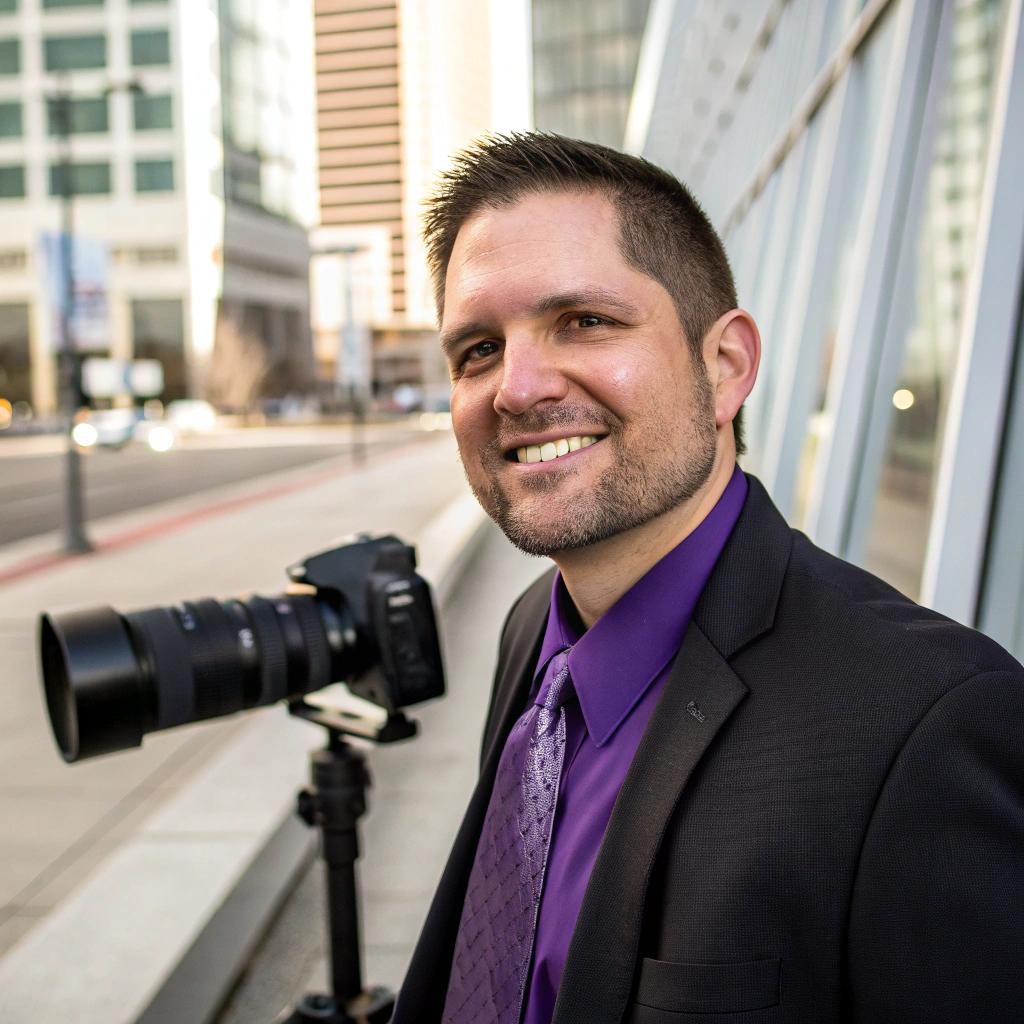
I used to think headshots were just for actors and real estate agents. In tech, I figured your GitHub, your portfolio, and your skills would speak for you, and a photo was just an afterthought.
The short answer is that tech professionals in Denver need modern headshots because your photo is part of your professional identity online, and people will judge your credibility, personality, and fit in a few seconds. If you work in tech and live or work in Colorado, a current, clean, realistic headshot signals that you take your work and your reputation seriously. Services like Denver headshots exist for a reason: your image is now part of how your “product” ships into the world, whether you like it or not.
That is the practical piece. The rest of this is about why it matters more than you might think, especially in tech, and especially in a city like Denver that sits between casual outdoor culture and serious, growing tech companies.
Why tech people in Denver should care about headshots at all
If you work in software, data, hardware, product, or any related field, your network lives online first. You connect on LinkedIn. You meet hiring managers on Zoom. You pitch over email. Someone types your name into a search bar, hits enter, and a face pops up.
That small square image shapes the first few seconds of how someone reads everything else about you.
A modern headshot does not magically get you a job, but an outdated or low‑quality one can quietly reduce your chances before anyone reads your profile.
The Denver angle matters too. The tech scene here is a mix of:
– Remote workers for big coastal companies
– Local startups and scaleups
– More traditional companies building in‑house tech teams
People come from different parts of the country, bring different expectations, and most of them only know you through screens. In that context, a good headshot is not vanity. It is basic communication.
But does a picture really matter more than skills?
Your skills matter more. That part is true. But people make quick judgments on incomplete data. You do it. I do it. Everyone does.
When someone sees a clear, modern headshot, they are more likely to think:
– This person is active and current in their career
– This profile is not abandoned
– This person probably cares about quality and detail
When they see a dim, cropped party photo from 2015, or a webcam shot with harsh light, they often think:
– Outdated
– Not careful about presentation
– Maybe not very engaged
None of that is fair, but it happens in the background of the mind. And if you are competing with others who look polished and present, you create an extra hurdle for yourself.
How modern Denver headshots help your tech career
Let us go point by point, because there are several parts to this.
1. First impressions on LinkedIn and portfolio sites
If you are in tech, LinkedIn is usually the first place people look. That little circular image shows up next to every comment, every message, every connection request.
Your headshot is often the only part of your profile that shows up in search results before someone clicks.
A modern headshot can help you:
- Get more profile views because your image stands out as current and professional
- Increase connection acceptance rates, since people feel more comfortable connecting with a real, approachable person
- Set context for your personal brand: serious, relaxed, creative, analytical, or some mix
On GitHub, portfolio sites, conference speaker pages, and company bios, the same image repeats. That repetition builds familiarity. People start to recognize your face with your name, which is helpful in a crowded field.
2. Remote work and distributed teams
Tech has moved strongly into remote and hybrid work. You might interview with someone you never meet in person. You are in calls with people across time zones. Your camera is on for thirty minutes, then off for the next week.
Your headshot shows up:
– In internal tools like Slack, Teams, and email clients
– In org charts and internal directories
– In your company website or internal wiki
If your picture looks like a low‑res screenshot or a shadowy webcam grab, it sends a small signal that your digital presence is not very intentional. That might sound harsh. But people often respond better to colleagues who feel real and visible.
A modern headshot tells your remote team that behind your username there is an actual person who took a bit of care with how they show up.
3. Hiring, promotions, and speaking invitations
Recruiters and hiring managers look at hundreds of profiles. Many will not admit how quickly they judge, but they do.
Your headshot can play into:
– Whether a recruiter clicks your profile in a long list
– Whether a hiring manager remembers you after a screening round
– Whether an event organizer selects you as a speaker or panelist
No serious person will claim that the photo outweighs your background, but when everything else looks similar, small visual cues can sway a decision.
Also, for internal growth, companies often collect headshots for:
– Promotion announcements
– Internal newsletters
– Blog posts highlighting team members
If your photo is clean and current, you are easier to feature. If your photo is outdated or absent, you sometimes get skipped. That means fewer chances to be visible in your own company.
4. Denver’s tech culture is casual, but expectations are rising
Denver has a relaxed culture compared to some bigger cities. Hoodies in the office. Bikes in the lobby. People heading to the mountains Friday afternoon. That can trick you into thinking your image does not matter.
At the same time, salaries, funding rounds, and company ambitions have grown. Many Denver tech companies work with clients or partners across the country and outside it. Those outside partners do not see the bike in the lobby. They see your website, your LinkedIn, and your pitch deck.
So you get a mix:
– Local casual style
– National and global expectations
Modern headshots handle this balance well. You can look approachable and relaxed while still looking prepared and capable.
What makes a headshot “modern” for tech professionals
A modern headshot is not just a high‑resolution picture. It is a set of small choices that together feel current and natural.
Look and feel
Modern tech headshots often aim for:
- Natural light or soft studio light that does not look harsh
- Simple backgrounds that do not distract from your face
- Colors that match your skin tone, hair, and what you are wearing
- Subtle expression, often a slight smile or calm neutral look
You do not need a stiff pose. You do not need a heavy business suit unless your role calls for that. Many Denver engineers and designers pick a style that feels relaxed but put‑together: button‑down shirt, simple top, maybe a blazer, clean t‑shirt if it fits your field.
Technical quality
The camera quality on modern phones is high, but a selfie still tends to look like a selfie. Angles are odd, backgrounds are busy, lighting is patchy.
Professional headshots for tech people try to get a few things right:
– Sharp focus on the eyes
– Soft background so the face stands out
– Even lighting without harsh shadows or bright spots
– Correct color so your skin does not look too cold or too warm
This sounds very technical, and it is, but you can feel the difference right away even if you do not know why. A modern headshot simply looks cleaner and more intentional.
Styling for software, product, and data roles
Different tech roles can lean slightly different in style.
For example:
| Role | Common style choices | Notes |
|---|---|---|
| Software engineer | Simple top, casual shirt, clean background | Friendly, reliable, not overly formal |
| Data scientist / analyst | Button‑down, maybe blazer, neutral tones | Analytical, precise, slightly more formal |
| Product manager | Smart casual, layered outfit, gentle colors | Approachable and confident, team‑oriented feel |
| Designer / UX | Creative but simple, interesting texture or color | Shows taste without distraction |
| Tech leadership (CTO, VP, Head of) | Blazer or sharp shirt, clean and neutral background | Trustworthy, calm, decisive |
You do not have to follow these patterns exactly. They are common choices because they tend to read well on screen.
Practical ways tech professionals in Denver use headshots
There are more places for your headshot than you might remember at first.
Public online spaces
Some examples:
- LinkedIn profile and cover story
- GitHub or GitLab avatar
- Personal website or portfolio
- Conference speaker bios
- Podcast guest pages
- Guest blog posts and bylines
When your headshot is consistent across these, it builds a coherent image. People know they are looking at the same person. That tiny bit of trust carries over into how they absorb your content or your ideas.
Inside your company
Even inside a company, good headshots have value:
– Internal directory or employee portal
– Company Slack avatars
– Sales decks that introduce the team
– Press releases and launch announcements
Sales teams often like to show real faces when they talk about “our team” to clients. If you are in an engineering or product role, you might not think about that, but strong imagery helps those teams do their jobs, which indirectly reflects well on you too.
Networking in the Denver tech scene
Denver meetups, hackathons, and conferences often share attendee lists or event pages with speaker photos. A modern headshot can help you:
– Be recognized in a crowd when someone has seen your photo online
– Stand out when people browse event speakers
– Look like you are current in your career stage
If you attend something like Denver Startup Week or a local developer meetup, people regularly check LinkedIn after. Having a current headshot reduces friction in that transition from “random person I met at a meetup” to “confident connection I remember from online.”
Common mistakes tech professionals make with headshots
I see the same patterns over and over among people in tech. Some of them I have made myself.
Using a very old photo
If your photo is more than five years old, it probably no longer matches you closely. Hairstyles change. Glasses change. Age shows up a bit.
When someone meets you on a call after seeing an old photo, it creates a tiny mismatch in their mind. That mismatch can distract them for a moment, and you want their attention on your ideas, not on reconciling those images.
As a simple rule, update every two to three years, or whenever your appearance changes noticeably.
Cropping from a group photo
This one is common: a tight crop around your face from a group shot at a bar or event. The lighting is odd, the resolution is weak, and part of another person is still visible at the edge.
It can work in a pinch, but it looks rushed. For a field that is often about detail and precision, that does not send the best message.
Over editing or filters
On the other side, over editing creates a different problem. Heavy smoothing, extreme color filters, or unnatural background changes can make the photo feel fake.
Tech people are used to spotting artifacts and distortions on screens. A photo that has been adjusted too far can feel more like a marketing image than a real person.
The goal is a clear, current, honest version of you on a good day, not a version that tries to hide every line or pore.
Ignoring context
Some people use the same image for everything: LinkedIn, Discord, gaming profiles, personal chat apps. That works if the image is neutral, but sometimes it is not.
Think about context:
– A relaxed, friendly headshot works almost everywhere.
– A silly or very stylized avatar might be good for side projects but confusing for a corporate bio.
You can keep a consistent look while still selecting the right image for the right space.
How to prepare for modern Denver headshots as a tech professional
If the idea of a photoshoot stresses you out, you are not alone. Many engineers, data people, and technical founders feel awkward in front of a camera. That is normal.
Here are some practical steps that make it easier.
1. Decide how you want to be perceived
Think about three words you would like someone to think when they see your headshot. For example:
– Calm, focused, reliable
– Curious, thoughtful, creative
– Friendly, open, collaborative
These words help guide choices in expression, clothing, and background. You can tell the photographer these words so they aim for that feel.
2. Pick clothing that matches tech but still looks sharp
Some guidelines:
- Choose solid colors instead of loud patterns, since patterns can distract or cause visual artifacts.
- Avoid clothes with big logos or text, unless it is your current company and you really want that shown.
- Bring two or three options: for example, t‑shirt plus casual shirt, or shirt plus blazer.
- Think about contrast with the background; you do not want to blend into it.
Denver weather can swing, but studio or controlled indoor shoots remove that problem. If you choose an outdoor location, be aware that jackets and layers may be needed part of the year.
3. Pay attention to simple grooming
You do not need heavy makeup or a complete style change. Just cover the basics:
– Hair neat and how you usually wear it to meetings
– Beard trimmed if you have one
– Glasses cleaned
– Face moisturized so skin does not look dry under lights
These small details show up clearly on a high‑quality photo. You do not need perfection. You only need “prepared.”
4. Work with a photographer who gets tech people
Photographers who work often with tech professionals tend to understand:
– That many subjects feel awkward being photographed
– That variety is helpful for different platforms
– That you may need versioning in different aspect ratios
They may suggest poses and expressions that feel natural for someone used to a keyboard, not a stage.
You do not have to overspend, but you do get what you pay for. A focused, one‑hour session that produces a set of strong images is often more valuable than a quick five‑minute snapshot.
5. Plan for multiple crops and uses
Ask for files in several versions:
– Square crop for LinkedIn and general avatars
– Vertical crop for speaker bios and press
– Larger resolution for print or slide decks
That way, you do not have to keep stretching or chopping the original later. You also reduce the risk of low‑res, blurry avatars that hurt your image quality.
Addressing common pushbacks from tech people
Many tech professionals dismiss headshots at first. Some reasons are valid, some less so.
“My work speaks for itself. I do not care about how I look.”
Your work matters more than your picture. That part is correct.
But your work does not speak in a vacuum. It lives in companies, teams, and communities where people still respond to human signals. A modern headshot is one small, quick signal that you are present and engaged.
You do not need to obsess about appearance. Spending one afternoon every few years to get a good photo is not vanity. It is basic maintenance of your professional identity.
“I hate being in front of a camera.”
Many of us do. It feels unnatural to pose and smile with bright lights pointed at you.
A good photographer understands this. Sessions for tech people often include:
– More guidance in posing
– More breaks
– More conversation, less stiff silence
Also, you only need a few good frames. Out of maybe a hundred shots, you might pick three to five. You do not need to look perfect in all of them.
“Everyone in my circle uses casual pictures. Why should I bother?”
This can be true in small startup teams or within certain online groups, but it can still be shortsighted.
If you plan to:
– Move to a bigger company later
– Speak at an event
– Publish technical writing or courses
– Start your own startup
You will be glad to already have a strong, flexible headshot ready. It saves time in moments that matter.
How often should Denver tech professionals refresh headshots?
There is no fixed rule, but a rough guide works:
| Situation | Suggested refresh timing |
|---|---|
| Normal career growth | Every 2 to 3 years |
| Major change in appearance | Within 6 months of the change |
| New leadership or high‑visibility role | As you move into the role |
| Starting a company or consulting brand | Before launch or early in the process |
If you are in Denver, local light and style trends also shift slowly. What looked fine a decade ago might feel dated now, even if your face has not changed much.
Making your headshot match your online presence
The photo is one piece. Your text profiles are another. They should match in tone.
Consistency across platforms
Try to keep:
– Same or very similar photo on LinkedIn, GitHub, and personal site
– Similar short description or tagline
– Similar color feel if you want a strong visual identity
This way, when someone encounters you on different platforms, they build a consistent mental picture.
Matching your role and goals
If you are:
– A senior engineer aiming for staff roles, you might choose a calmer, more grounded headshot.
– A startup founder, you might choose a more energetic, engaged expression.
– Moving into developer relations or public speaking, you might want a friendlier, more open shot.
Your photo should fit the direction you want your career to move, not just where it is right now.
Realistic expectations: what modern headshots will and will not do
It is easy to overstate the impact of a professional photo. It is not magic.
What a modern headshot can do
A modern headshot clears visual noise out of the way so people can focus faster on your skills, your words, and your ideas.
In practice, that can mean:
– Slightly higher response rates on outreach
– More profile views on LinkedIn and portfolio sites
– Easier recognition at events or in calls
– Fewer awkward mismatches between how you look online and in person
These are moderate but real advantages.
What a headshot will not do
It will not:
– Fix a weak resume or portfolio
– Replace poor interview performance
– Cover for lack of skills
If someone suggests that a good photo alone will change your career, that is not realistic. Think of the headshot as one tile in a mosaic that includes your projects, your writing, your references, and your day‑to‑day work.
Questions tech professionals in Denver often ask about headshots
Q: I am an introverted engineer. Do I really need this?
A: You do not have to love photoshoots, but you still live in a networked world. A modern headshot helps other people read you more accurately without extra effort from you. It makes asynchronous communication, which introverts often prefer, a bit smoother because your presence feels real and complete.
Q: How formal should I look for Denver tech roles?
A: Most Denver tech teams lean more casual than, say, finance in New York. A common middle ground is “smart casual”: clean, simple clothing, no tie unless your field expects it, natural expression. If you work with clients in conservative fields, you might do one more formal outfit and one more relaxed, and keep both options for different uses.
Q: Can I just use a high‑quality selfie instead?
A: If you take time with lighting, background, and framing, a good phone camera can beat a bad professional session. But it is harder to get consistent results by yourself, and people can often spot a selfie. For long term use across your career, a short session with someone who does this regularly is usually a better investment.
Q: I work fully remote for a company based outside Colorado. Does the “Denver” part matter?
A: It still matters a bit. Local photographers understand the regional style and expectations. They know common backdrops, typical clothing choices, and they deal with Denver light and weather frequently. That can help your photo feel like you, not like a stock image from somewhere else.
Q: How many different headshots do I need?
A: You can start with one strong primary image, then maybe a second variation with a different crop or expression. For most tech professionals, two usable options cover most needs. If you move into public speaking, media, or leadership, you might want more variety later, but that can come over time.
Q: Is this really worth the time if I am not job hunting right now?
A: If you have the bandwidth, yes. Career shifts sometimes come fast: a reorg, a layoff, a new opportunity. When that happens, you do not want to scramble for a decent photo in a rush. Having a current, modern headshot ready keeps your profile ready for change, even when you are not looking.
So, if you look at your current online photo and feel a bit of hesitation, what would it take to replace that hesitation with quiet confidence the next time someone looks you up?