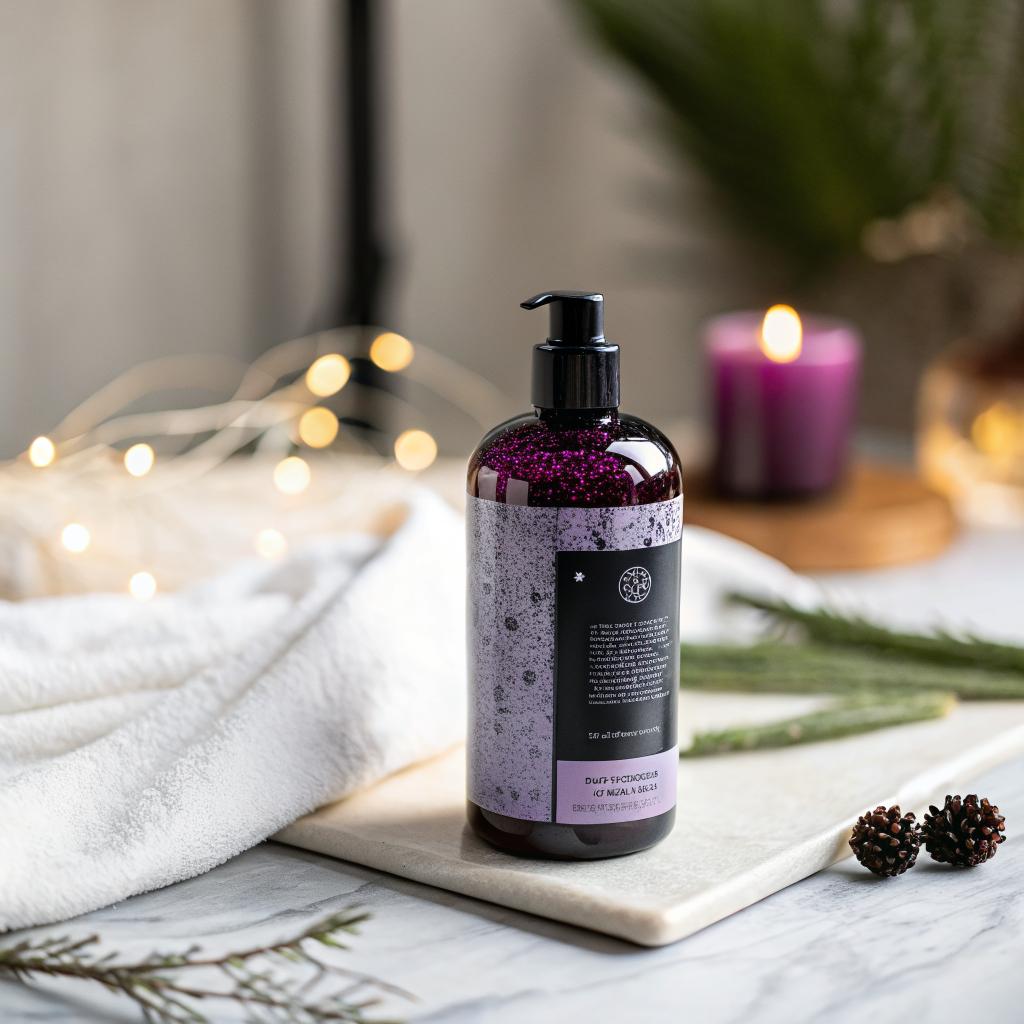
I used to think body wash was just background noise in my day. You grab whatever is on sale, scrub fast, and get back to your screen, your code, your calls.
Now I think that is a mistake, and that is why more tech lovers are quietly switching to black owned body wash: it respects sensitive skin, avoids a lot of harsh fillers, smells clean without feeling fake, and lets you support founders who care about detail and identity the same way you care about clean UX or well-structured code. You get better ingredients, more thoughtful formulas, and the feeling that your money is going to real people, not just another giant company you cannot relate to very much. That is the short version.
Why tech people care about something as small as body wash
If you work in tech, your brain is probably trained to notice small details.
You care about battery life, not just screen size.
You care about latency, not just bandwidth.
So it makes sense that after a while, you start to care what touches your skin every single day.
A lot of people in tech also:
- Spend long hours at a desk, which can dry out your skin because of air conditioning.
- Drink more coffee than water, which does not help with hydration.
- Deal with stress, late nights, and sometimes irregular sleep, which also affects skin.
- Buy online almost by default, so you are comfortable trying niche brands.
When you line all that up, body wash is not just some random bottle in the shower. It is a daily protocol that either helps your skin recover, or slowly irritates it.
If you are detail oriented about your devices, it feels strange to be careless about what goes on your skin every single day.
Once you look at it that way, the jump to more thoughtful products, like many Black owned formulas, starts to feel obvious, not trendy.
How Black owned body wash fits a “tech brain”
There are a few patterns in how people in tech think. They like:
- Clear ingredients and logic behind a product.
- Measurable outcomes: “My skin feels less dry,” “No more random rashes,” “I do not smell like a candy factory.”
- Supporting smaller brands that do something specific well, instead of one giant company that tries to do everything.
Black owned brands in the personal care space often start from a real need:
1. Built around real skin problems, not just fragrance
Many Black founders started making body care because they could not find products that worked for their own skin, or for their kids.
That often means:
- Formulas that respect melanin rich skin, which can be more prone to dryness, discoloration, and sensitivity.
- Less reliance on harsh surfactants that strip natural oils.
- More use of plant based butters and oils like shea, cocoa, mango, or coconut.
You do not have to be Black to benefit from that. If your skin is dry from long days in climate controlled offices, that extra care helps you too.
2. Ingredients lists that feel more like clean code
Think about code that has too many dependencies. It is fragile and hard to debug.
Some mass market body washes look like that. Ingredient lists with thirty unpronounceable items, many of them there just to create foam, color, or fake scent.
A lot of Black owned products lean in another direction:
- Shorter ingredient lists.
- Clear roles for each ingredient.
- Less use of heavy synthetic fragrance.
It is not always perfect, and some brands still add synthetics. But the trend is toward formulas that a normal person can actually read without a chemistry degree.
If you read labels the way you read code reviews, you start to notice which brands are overcomplicating something that should be simple.
3. The same “indie dev” energy you see in software
You know how indie developers ship small, polished apps that do one thing very well? Black owned body wash brands often feel similar.
The founders:
- Pay attention to texture and how the product rinses.
- Listen to feedback on dryness, sensitivity, or scent strength.
- Iterate on formulas the way you iterate on features.
You can tell when someone cares enough to fix small problems that most big companies ignore.
From generic bottle to “small ritual”: what changes in your day
If you are used to a 2-in-1 body wash from a big box store, the shift to a well-formulated product can feel subtle at first.
Then you notice small things:
Less dryness, less itching
Many tech workers spend their days in buildings that recycle air. Skin loses moisture. If your body wash strips even more oil, you start to feel:
- Tightness after showering.
- Patchy dryness on arms or legs.
- Itchy spots that “come and go” for no clear reason.
A lot of Black owned brands lean heavily on ingredients like:
| Ingredient | Common Source | Why your skin might like it |
|---|---|---|
| Shea butter | Shea tree nuts | Helps lock in moisture and soften skin |
| Coconut oil | Coconut | Gentle cleansing, supports skin barrier |
| Aloe vera | Aloe plant | Soothing, useful for sensitive or irritated skin |
| Oat or oat extract | Oats | Calming, helpful if your skin is reactive |
Not every product includes all of these, but that general direction leads to less aggressive cleansing and more support for skin that has to deal with long, tech heavy days.
Scents that do not fight with your brain
This is personal, but many mass market body washes smell very strong or synthetic. If you work from home, maybe that is fine. If you go into an office or co-working space, or you have long video calls, it can feel overwhelming.
Black owned brands often play with:
- Warm, subtle scents like vanilla, sandalwood, amber.
- Fresh, clean scents like citrus, mint, or light florals.
- Fragrance free options for people with sensitive skin or allergies.
Again, not every brand is subtle. Some lines still go heavy on fragrance. But you have real choice, not just “blue sports scent” versus “pink sugar scent.”
When your shower product smells balanced instead of aggressive, it is one less source of sensory noise in a day that already has enough alerts and notifications.
A small mental reset between screens
There is something interesting that happens when you pay attention to a small, analog ritual like showering.
You put your phone down. You are not staring at VS Code, Figma, or Jira. For five or ten minutes, your brain is somewhere else.
If the body wash you use:
- Feels good on your skin.
- Makes you pause for half a second because the scent is pleasant.
- Reminds you that a real person created it with intention.
then that small break feels a bit more restful.
It sounds minor, but for people who live inside software most of the day, these little points of contact with the physical world matter more than we admit.
Values: how switching connects to what you already care about
Many people in tech say they care about:
- Diversity in teams and leadership.
- Funding for underrepresented founders.
- Ethical supply chains and less waste.
Then a lot of daily purchases still go to the same few mega brands.
That is the small contradiction here. You can talk about support for underrepresented creators on social media, and then your cart is filled with the same old stuff.
Buying body wash from a Black owned brand will not fix systemic problems. It is not some heroic act. It is just a cleaner match between what you say you care about and what your money quietly supports.
The “debug log” of your spending
Think of your monthly bank statement like a log file. It tells the truth.
If you scroll through your transactions and see:
- Big tech companies on every other line.
- One or two indie apps.
- No small brands owned by people from underrepresented groups.
that is the actual pattern, not the one in your head.
Switching your body wash is a tiny edit, but it is visible in that log. It is something you can point to and say, “I route at least some spending toward founders I want to see stay in the market.”
Why Black founders need loyal, repeat customers
Tech people understand network effects and runway. Consumer brands have their own version of this.
For many Black owned body care brands:
- Marketing budgets are smaller.
- Access to shelf space in big stores can be limited or unpredictable.
- Word of mouth and online communities matter much more.
So when you:
- Buy a bottle.
- Come back for a refill.
- Mention the brand in a Slack channel, group chat, or Reddit thread.
you are giving that company a bit more runway. Not as a charity. As a customer who wants good products to stay available.
How to choose a Black owned body wash that actually works for you
Not every product is right for every person. Some brands might look great in marketing but not suit your skin or your nose.
Here is a simple way to choose without overthinking it.
Step 1: Map your skin “user story”
Before you click “buy,” ask yourself a few blunt questions:
- Is your skin usually normal, dry, oily, or sensitive?
- Do you get bumps, rashes, or shaving irritation often?
- Do you prefer strong scent, light scent, or fragrance free?
- Do you share the shower with a partner or roommate with different needs?
Write this down in a notes app if it helps. It is the same idea as writing requirements before shipping a feature.
Step 2: Look at the ingredient “stack”
When you find a Black owned brand:
- Scan the first 5 to 7 ingredients. Those are the main ones by volume.
- Check for harsh sulfates if you know your skin reacts to them.
- Look for things that match your goal, like “dryness” or “sensitive skin.”
If a product calls itself “moisturizing” but the only real moisturizers are far down the list, you can probably keep scrolling.
Step 3: Read reviews like you read bug reports
Do not just look at the 5-star reviews. Scan:
- 3-star reviews for honest pros and cons.
- Comments from people who sound like they have your skin type.
- Mentions of how strong the scent feels in a real bathroom, not just in the bottle.
Often you will find someone who explains that the scent is light, or that the formula is better for dry skin than oily skin. That is more helpful than generic praise.
Step 4: Start with one bottle, not a full stack
You might be tempted to buy body wash, body butter, scrub, and lotion from the same brand in one shot. That can backfire if your skin dislikes one ingredient.
Try this instead:
- Pick one body wash that looks close to your needs.
- Use it daily for two weeks.
- Notice real changes: dryness, irritation, or just how you feel during and after the shower.
If it works, then expand to matching products.
Comparing typical generic body wash with a typical Black owned formula
To keep this grounded, here is a rough comparison. This is not about every brand. It is just a pattern you might see.
| Factor | Generic supermarket body wash | Typical Black owned body wash |
|---|---|---|
| Price range | Low to mid | Mid, sometimes a bit higher |
| Ingredient focus | Foam, strong scent, long shelf life | Moisture, gentler cleansers, texture |
| Skin types targeted | Generic “all skin” claims | Often dry, sensitive, melanin rich skin in mind |
| Scent profile | Very strong, synthetic leaning | Balanced, sometimes more natural, options for fragrance free |
| Brand story | Large corporation, broad marketing | Personal founder story, specific communities |
| Impact of your purchase | Minor impact on a big company | Noticeable support for a smaller brand |
You might pay a bit more, but you are trading up in terms of ingredients, intention, and alignment with your values.
How this ties into remote work, burnout, and mental load
People in tech talk a lot about burnout, but the focus tends to stay on:
- Meetings.
- Deadlines.
- Notifications.
Physical comfort comes up less. Yet your body is still there, even if your job is mostly inside your head.
Showers as “context switches”
Developers think in context switches. Jumping between tasks is draining.
A shower can be:
- A soft break between work and personal time.
- A way to reset when you have been in the same chair since morning.
- A place to decompress from back-to-back calls.
If the products you use in that short window feel harsh or annoying, you miss some of the benefit. If they feel calm and well crafted, your mind tags that time as more pleasant.
Small control in a world you cannot control
There is a lot in tech that feels out of your hands: layoffs, funding cycles, product pivots.
You cannot control most of that, but you can decide what brands you support in your daily life.
Sometimes the most grounding thing you can do is pick one tiny area of your routine and make it more intentional.
Switching body wash is not life changing. It is just one decision that says, “I care about what touches my skin, and I care who profits from my habits.”
That is not nothing.
Common questions from tech minded people about Black owned body wash
1. “Is it only for Black people?”
No, and this is one misconception that gets in the way.
“Black owned” describes who owns and leads the company, not who is allowed to buy the product.
Many of these brands design formulas with Black skin concerns in mind. That often means more moisture, more attention to hyperpigmentation, and less aggressive cleansing. Those are benefits that can help many skin types.
If your skin is very fair and oily, you might want a lighter formula, but there are Black owned products for that too. The only way to know is to read the details and try.
2. “Is it actually better, or just more expensive?”
Sometimes you do pay more. But you are also paying for:
- Higher quality oils and butters.
- Smaller batch production.
- Founders who cannot hide behind massive marketing budgets if the product is bad.
You should still be critical. Some brands ride the “Black owned” label without good formulas. That is why reading ingredients and reviews matters.
But many of the popular ones earn their price by offering a clear upgrade over the cheapest options.
3. “What if I try one and do not like it?”
That will happen sometimes. Just like apps.
If the scent is off or your skin reacts badly:
- Use it as a hand wash to finish the bottle instead of wasting it.
- Make a note of the ingredients and scent notes that did not work for you.
- Try another brand with a different profile, not the same formula in a new scent.
Think of it as testing versions. The goal is not to nail it on the first attempt. The goal is to learn what works for your skin and your mind so that the next pick is smarter.
4. “Does any of this really matter if my day is still stressful?”
Your day might still be packed with standups, feature requests, or support tickets. A better body wash will not fix that.
What it can do:
- Make your limited quiet time feel slightly more restful.
- Reduce minor irritation and dryness that just add more noise in the background.
- Align one part of your spending with values you say you care about.
Is that enough reason to switch? That is up to you.
But if you are already paying attention to the details in your tech stack, it makes sense to, at least once, pay the same level of attention to something as simple as what you use in the shower.