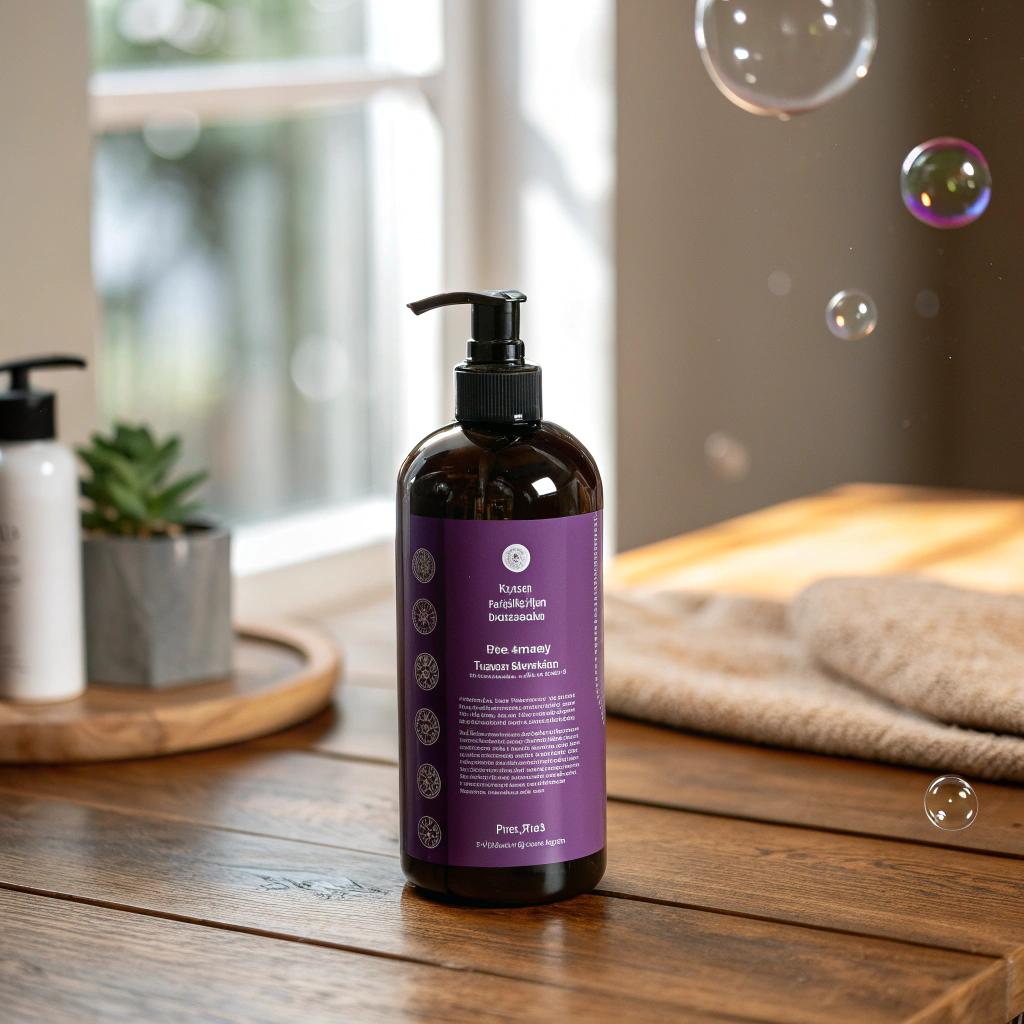
I used to think body wash was the most boring thing in my bathroom. Just another subscription line item, like cloud storage or a password manager. Then I realized my shower routine said more about my values and my habits than I wanted to admit.
The short answer to why so many tech lovers are moving to black owned body wash is simple: it fits how tech people think. Better ingredients, more transparent brands, ethical supply chains, and a chance to support underrepresented founders, all wrapped in a product you use every single day. It is a small, low-friction way to connect your values with your daily routine, without needing a whole lifestyle overhaul.
You do not need to be an activist or a skincare nerd to care about that. You just have to notice that if you spend time comparing GPUs or reading API docs, it feels odd to treat your own skin like an afterthought. Once that idea lands, the switch starts to feel logical, not sentimental.
Why this even matters to people in tech
I want to be honest. Tech people do not wake up thinking about body wash. Many of us barely remember to drink enough water. So if a group that usually focuses on hardware specs and shipping features is suddenly talking about bath products, that deserves a closer look.
There is a pattern here that feels very familiar if you work in or around tech. When we evaluate tools, we ask things like:
- What is under the hood?
- Who built this and why?
- How transparent are they about what they did?
- Does this match my values or at least not clash with them?
Now apply that same mindset to what you put on your skin every morning.
You read labels. You look up weird ingredients. You notice that some brands market to everyone but kind of forget darker skin or textured hair even exist. You also see that many Black founders had to build their own companies because the big players ignored their needs for decades.
Tech people are used to searching for better systems; switching to Black owned body wash is just applying that same logic to personal care.
If you think of your life as a set of systems and inputs, your body wash is one of those inputs. Just a very quiet one. Tech minded people are slowly pulling it out of the background and asking the same hard questions they ask about software and hardware.
The logic: how tech thinking overlaps with Black owned body wash
You might relate to some of this. Or disagree with parts of it. That is fine. But the overlap is hard to ignore.
1. Ingredient transparency feels like reading source code
Tech people like to see what is going on behind the scenes. That might be open source code, a public roadmap, or a clear technical spec.
Body wash is similar. You either have:
- A brand that hides behind vague words like “proprietary blend”
- Or a brand that tells you what is in the bottle, why it is there, and who they had in mind when they made it
Many Black owned brands were started because traditional products dried out melanin-rich skin, irritated it, or just ignored its needs. These brands tend to talk more clearly about:
- Moisturizing oils like shea, cocoa, or baobab
- How they handle fragrance for sensitive skin
- What they avoid, like harsh sulfates or specific alcohols
This kind of clarity feels very familiar if you read release notes or changelogs for fun.
If you expect clear documentation from tools you use at work, it makes sense to want the same clarity from the stuff you put on your body.
You might not want to turn every shower into a chemistry lesson, but having the option to understand the basics matters, especially if you have eczema, razor bumps, or dryness from long hours in air conditioned offices.
2. Supporting underrepresented founders is like choosing the right startup to back
You probably know the stats about how few tech founders from underrepresented groups get funding. The same sort of pattern shows up in beauty and personal care. Black founders have had to fight for shelf space, bank loans, and marketing budgets, while also creating products for people who were ignored by mainstream companies.
Choosing a body wash sounds small, but there is a clear line between your spending and what survives in the market.
Think about it like this:
| Choice | Short term effect | Long term effect |
|---|---|---|
| Random big brand body wash | You get clean, nothing changes | You keep funding the same old product formulas and the same big players |
| Black owned body wash | You get clean, plus support a smaller, often founder-led company | You help show there is demand for inclusive, thoughtful products and for Black ownership |
Is buying one bottle going to fix the funding gap? Of course not. That would be naive. But it is similar to how we think about open source contributions, indie apps, or privacy focused tools. Enough small choices from users make certain products possible.
If you are willing to pay a bit more for an indie app because you want that developer to survive, the same reasoning can apply to your shower shelf.
3. Different skin, different use cases: personalization actually means something here
Tech marketing loves to talk about “personalization”, but many products still feel generic. With body wash, personalization is not about a fancy quiz. It is about real physical differences.
Melanin-rich skin often:
- Shows dryness and ashiness more clearly
- Is more prone to hyperpigmentation
- May need more consistent moisture after hot showers
Brands started by Black founders tend to keep those issues in mind from day one. That sometimes leads to:
- Richer, more moisturizing formulas
- Less stripping surfactants
- Fragrances designed to work well with deeper skin rather than sit too lightly on top
If you have light skin, you might think this does not matter for you. That is not quite right. Products that are gentle and hydrating enough for very dry or melanin-rich skin often work well across the board, especially if you have sensitive skin from shaving, acne treatments, or constant indoor climate control.
So you get a better default, even if you were not the original target.
4. Rituals help reduce burnout more than one more productivity app
Most knowledge workers are tired. Many tech workers are exhausted. We often try to solve this with more tools, more hacks, and more tracking.
There is another way to look at it. Small physical rituals during the day can reset your brain in ways another chrome extension never will.
Your shower is one of the few times you are offline, even if you sometimes still bring your phone into the bathroom. Swapping a generic body wash for something that feels intentional sounds minor, but that ritual can become:
- A reminder that you are not just a brain with Wi-Fi
- A short moment of sensory reset between late night debugging and early morning standups
- A way to care for a body that sits for long hours, stares at screens, and absorbs a lot of stress
This is not self-care hype. It is just honest: you are going to shower anyway. You can either treat it like a maintenance script, or as one small point in the day where you are not optimizing anything, only paying attention to how your skin feels.
How Black owned body wash differs in practice
So what actually changes when you switch? It is not just a different label color.
Ingredient choices you actually notice
Many Black owned formulas put more focus on:
- Butters and oils like shea, mango, cocoa, or coconut
- Humectants like glycerin that draw water into the skin
- Milder cleansers that do not leave that tight, squeaky feeling
You might notice:
- Your skin feels less dry if you shower twice a day
- Less itching around shins, elbows, and back
- Fragrance that lingers in a more grounded way, instead of evaporating in 10 minutes
None of this is magic. It is just tradeoffs. A cheaper formula with harsher detergents might foam more, but it strips more. A formula with more oils and butters might cost a bit more, but it is kinder to your skin barrier.
Packaging and design that respects your space
This sounds superficial, but if your bathroom looks like a cluttered test lab, you know packaging matters. Many of these brands design for people who care about aesthetics but do not want neon chaos on their shelves.
Packages often:
- Look clean and modern, so they fit next to your fancy toothbrush or smart mirror
- Use materials that feel more considered, sometimes with recycled content
- Clearly label key benefits, so you can grab what you need at 6 a.m. without squinting
If you are the kind of person who sorts app icons or color codes your IDE theme, that subtle order can feel satisfying.
Price, tradeoffs, and the “is this really worth it?” question
This is where some people push back. Many Black owned body wash options cost a bit more than the cheapest generic bottles at the drugstore.
You have to decide what you care about:
| Aspect | Cheapest generic body wash | Typical Black owned body wash |
|---|---|---|
| Price per bottle | Lower | Moderate to higher |
| Ingredient intention | Mass market standard | Often tailored to dryness and melanin-rich skin |
| Founder representation | Often large, long established companies | Frequently small, founder-led, Black owned |
| Impact of each purchase | Marginal | More direct support to a smaller brand |
If you are fine with the cheapest option and have no skin concerns, you might not care. That is honest. But if you already pay for better headphones or ergonomic chairs because they affect your daily comfort, then choosing better body wash is in the same category: a recurring micro-upgrade.
What tech minded buyers usually look for when choosing a body wash
You may not think of yourself as someone who “researches” body wash, but if you clicked this article, you probably care enough to want a basic checklist.
Check 1: Ingredient list and clarity
Look for:
- Clear naming of key ingredients
- Some explanation on the site or label of why those ingredients are used
- A reasonable balance between cleansing agents and moisturizing agents
If a brand is vague or full of buzzwords and nothing else, treat that like a pitch deck with no technical details. That is usually a red flag.
Check 2: Fit for your actual use case
Ask yourself a few simple questions:
- How often do you shower? Once a day? After every workout?
- Is your skin already dry, especially in winter or in air conditioned spaces?
- Do you have any known sensitivities or allergies?
If you shower more than once a day or live in a cold climate, a more moisturizing Black owned formula can take some pressure off your skin, so you do not have to rely as heavily on heavy lotions later.
Check 3: Brand behavior, not just nice words
This is where tech people are often more skeptical, which is good. Many brands talk about diversity and ethics. Few follow through.
Look for signs like:
- Clear founder information instead of a faceless “team”
- Visible hiring of diverse staff, if they are large enough to show that
- Consistent messaging on social feeds, not just during certain months of the year
You cannot audit every detail, and you should not feel guilty for not turning every purchase into an investigation. But a quick sense check is reasonable, the same way you would glance at a new app’s privacy policy or GitHub activity before committing.
How this ties into the tech culture shift around ethics and impact
Tech as a field is going through a long, sometimes messy conversation about responsibility. Data privacy, algorithmic bias, AI training data, environmental impact of data centers, all of that.
Switching body wash does not solve any of that, but it does reflect a wider shift: people in tech are tired of separating “work ethics” from “personal life choices”.
You see this in:
- Developers who care about carbon footprint and energy efficient code
- Product managers who think harder about accessibility and inclusion
- Designers who question default skin tone emojis and representation
Caring about who makes your body wash fits into this arc. It is not moral perfection. It is just consistency.
You might argue this is symbolic. That is partly true. But symbols guide habit. And habits guide culture. If enough people in tech treat representation as normal in small purchases, it slowly becomes less controversial in larger decisions too, like vendor choices, sponsorships, or hiring.
Common arguments against switching, and some honest answers
A fair article needs pushback. Some doubts are valid, some are myths, and some are just inertia.
“It is just soap. This feels overthought.”
Yes, it is just soap. You will not change the world with a bottle. But you also will not change much with one extra productivity video or a slightly faster laptop. Still, those choices matter to you because they affect your daily life.
You use body wash hundreds of times a year. That is a recurring touchpoint with your own body and with the economy. Caring a little about both is not overthinking; it is normal thinking, just shifted to an area people rarely examine.
“I do not have melanin-rich skin. Is this about me at all?”
Black owned does not mean “only for Black people”. It describes ownership and often, but not always, the initial focus of the formula.
If you have dry, sensitive, or easily irritated skin, you might find these products work better precisely because they were designed to be gentle and protective. The benefits often extend beyond the original target group.
And if your skin is pretty low maintenance, you still might care about:
- Supporting founders who were locked out of the market for years
- Clearer ingredient choices
- The simple feeling of using something crafted with a specific community in mind
You do not have to share the same background to respect that work.
“I am worried this is just marketing around identity.”
That concern is valid. Some big companies slap words like “inclusive” or “diverse” on their packaging without changing formulas or leadership at all.
That is why checking for real Black ownership and founder presence matters. Many of these brands started in kitchens, small labs, or tiny warehouses because nobody else was making what they needed. You can usually see that history in their story, in early photos, or in how they interact with customers.
Do some companies jump on trends without caring? Yes. That is true in tech too. The answer is not to reject the entire category, but to be more discerning about which brands you support.
Practical steps if you want to try switching
Maybe you are convinced. Or at least curious. You still have to get through some practical steps.
1. Start with just one bottle
You do not need to throw out what you already have. That is wasteful and performative.
Better approach:
- Finish your current bottle
- Buy one Black owned body wash that seems to fit your needs
- Use it for a few weeks and watch for real changes in your skin and routine
This way, the experiment is low risk and low drama.
2. Match the product to your lifestyle, not your ideals
If you:
- Work out often, choose a formula that rinses quickly but still hydrates
- Travel for conferences, pick a size that fits carry-on rules
- Share a bathroom, look for a scent that works across genders and preferences
You want something that slides into your life smoothly, so you can keep using it long after the initial motivation fades.
3. Keep your expectations realistic
Support matters, but it will not:
- Erase structural inequality on its own
- Turn your skin into a filter-perfect version of itself
- Replace the need for good sleep, hydration, or sunscreen
What it can do is:
- Give you a gentler, better thought out product
- Redirect some of your money toward founders who were missing from the market
- Make your daily shower feel a bit more intentional and less automatic
If that sounds small, that is because it is small. But many good habits start that way.
Two quick examples, and a personal note
To keep this grounded, imagine two typical tech workers.
Case 1: The developer with “mysterious” dry patches
They spend 10 hours a day at a desk, in recycled office air, with two monitors and low humidity. They also shower twice a day: once in the morning, once after the gym at night.
Their usual body wash has a strong scent, foams a lot, and claims to be “deep cleaning”. Their skin:
- Feels tight after every shower
- Develops flaky spots on shins and forearms
- Needs a heavy lotion that never fully fixes the issue
Switching to a Black owned formula that focuses on shea butter and mild cleansers:
- Reduces that tight feeling
- Cuts down on flaking over a few weeks
- Makes lotion a backup, not a daily emergency
Is this the only factor? No. Climate, diet, and genes still matter. But the change is noticeable.
Case 2: The product manager who cares a lot about ethics, but not about their own routine
They read about ethical AI, push for fair hiring, and attend panels on diversity in tech. But at home, their bathroom is stocked with whatever was on discount at the nearest chain store.
At some point, that mismatch feels odd. They realize:
- They care about representation in apps, but have never looked at ownership of personal care brands
- Their money is reinforcing systems they criticize elsewhere
- They want at least some of their routine to reflect their values
Switching to Black owned body wash becomes one part of closing that gap. It does not make them a perfect person. It just makes their story a little less conflicted.
Common questions, answered plainly
Q: Is Black owned body wash only for Black people?
A: No. Black owned refers to who owns and leads the company. Many formulas were made with melanin-rich or dry skin in mind, but that often benefits many skin types. You can use it regardless of your background.
Q: Will I pay a “tax” just to support a cause?
A: Some products are pricier than the cheapest supermarket options, often because of small scale production, higher quality ingredients, or ethical sourcing. You are not paying a tax so much as paying closer to the real cost of making something thoughtful at smaller scale. You decide if that matters to you.
Q: How do I know if a brand is genuinely Black owned and not just marketing?
A: Look for founder names, faces, and stories on the site. Check interviews, social feeds, or trusted directories. Real brands usually have clear, consistent presence from the people who started them.
Q: Is switching body wash really worth caring about when there are bigger problems?
A: There are always bigger problems. That does not mean small choices are meaningless. They are not enough, but they are not nothing either. Think of this as one basic way to bring your values into a habit you already have, instead of an attempt to solve everything at once.
Q: I am interested, but I feel overwhelmed. Where should I start?
A: Start with one bottle from one Black owned brand whose ingredient list and story make sense to you. Use it until it is gone. Then decide, based on your actual experience, whether the switch is worth keeping. That single test will tell you more than any article.