I used to think a wet basement was just a home problem and not something tech minded people really cared about. Then a friend showed me a moisture graph from his DIY sensors that looked like a failing server chart and I realized this is basically DevOps for your house.
If you just want a fast answer, here it is: the most tech savvy basement leak companies in New Jersey are the ones that actually measure and monitor, not just slap on coatings. That usually means contractors who understand drainage design, use moisture meters and cameras, install high quality sump pumps, offer smart pump options, and are willing to explain the data behind their recommendations. Sites that compare basement leak companies in New Jersey can help you filter out the old school “trust me, I have 30 years experience” outfits from the ones that use tools and numbers.
What “tech savvy” really means for basement leak pros
When you read “tech savvy” on a contractor site, it often sounds like marketing fluff. For basement work, it should mean something a bit more concrete.
A tech minded basement company treats water like a bug: they find the source, measure the impact, test a fix, then verify it with data.
In real terms, that usually shows up in a few ways:
- They use diagnostic tools before they quote.
- They explain what they found with actual readings, not just vague comments.
- They suggest a system, not a single patch.
- They are comfortable with smart pumps and alerts, but do not push them on everyone.
If a crew walks in, glances at one wall, and has a fixed price in 60 seconds, that is like someone optimizing your database without looking at logs. Maybe they are right, but it is more luck than process.
Tools you should expect a modern company to use
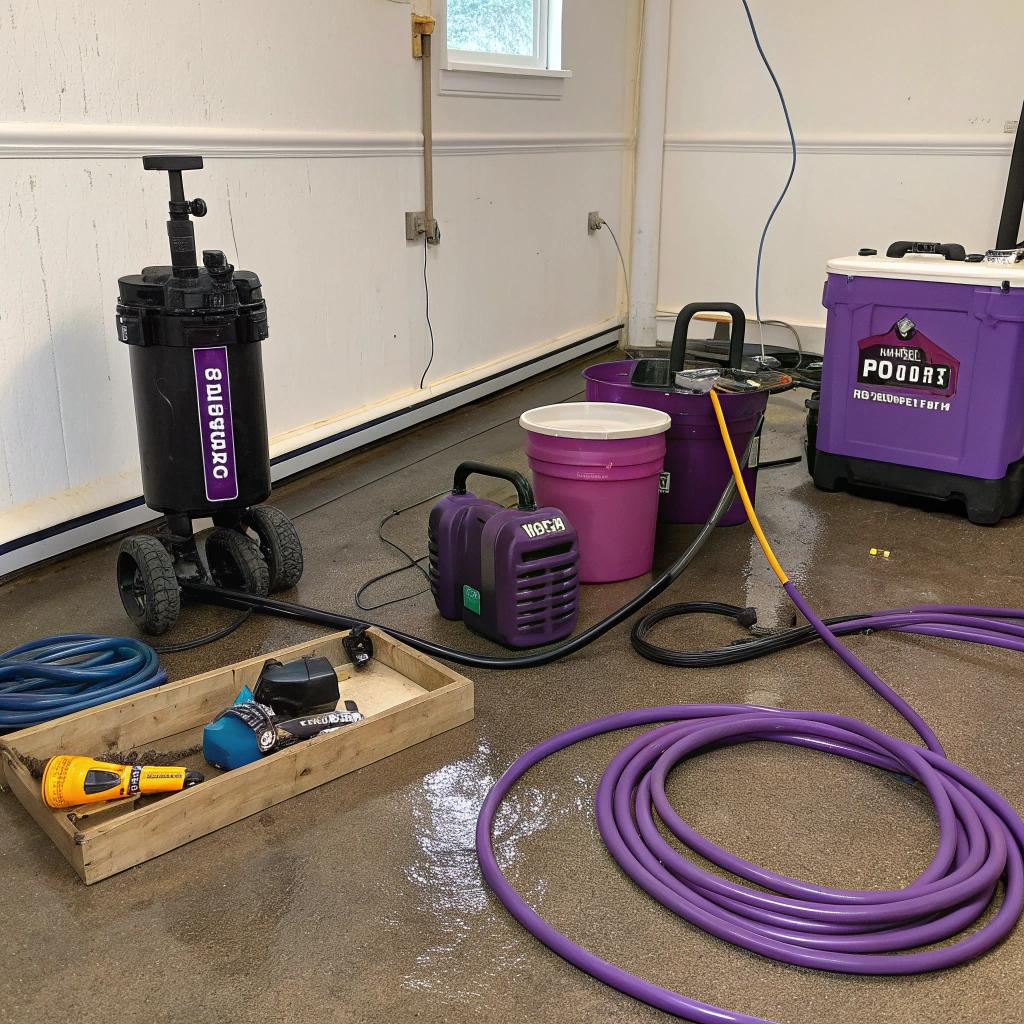
You do not need a full lab, but some tools are basic now. These are common in better New Jersey basement outfits:
- Moisture meters for walls and floors
- Thermal imaging cameras for hidden moisture
- Borescope cameras to look inside walls or drain tiles
- Laser levels to check floor slopes toward drains and sumps
- High lumen lights so they can actually see hairline cracks
If none of this shows up during the inspection, you are probably not dealing with a tech first company. They might still be fine, but it is a different style of work.
New Jersey basement problems through a tech lens
New Jersey is not huge, but water problems vary a lot between, say, Bergen County and the south near the shore. If you like data, it helps to think in patterns rather than random leaks.
Common basement “failure modes” in NJ
Here is a simple breakdown that feels a bit like debugging:
| Symptom | Probable cause (simplified) | What a tech savvy company checks |
|---|---|---|
| Water line along wall/floor joint after heavy rain | Hydrostatic pressure, weak or missing footing drain | Exterior grading, gutter paths, perimeter drain condition, sump capacity |
| Damp spots in middle of floor | Rising groundwater, slab cracks, vapor | Slab thickness, vapor levels, crack mapping |
| Paint bubbling, white powder on walls | Moisture through block walls, efflorescence | Wall moisture readings, exterior soil level vs siding, interior humidity |
| Musty smell but no visible water | High humidity, slow seepage behind finishes | RH sensors, dehumidifier performance, cavity checks with camera |
| Sump runs constantly, even in dry weather | High water table, misrouted groundwater to pit | Cycle counts, pump draw, discharge route, check valve performance |
A good company in New Jersey knows these patterns and can usually explain which pattern your house matches. That explanation should not be magic. It should be closer to walking through a log file.
Why New Jersey basements need careful design
New Jersey has a mixed bag of:
- Old stone foundations
- Concrete block basements from the mid 1900s
- Newer poured concrete with varied drainage quality
Add clay soil in many towns, freeze/thaw cycles, coastal storms, and aging storm drains. The result is that “just seal the wall” is almost never the full fix.
If a company suggests only interior paint or coating with no talk about drainage, they are treating the symptom, not the system.
I know paint feels cheap and clean. It is also the kind of shortcut that looks fine for a year and then fails when the next big storm hits.
What sets the top tech savvy NJ companies apart
Instead of just dropping a list of names, it helps to know how to judge them. You can still choose, but at least you are comparing on the right traits.
1. Their inspection looks like an actual diagnostic process
Strong New Jersey contractors tend to:
- Walk the full exterior, not just the basement interior
- Ask about past floods, dates, and weather during those events
- Look at gutters, downspouts, and where water actually leaves the site
- Check multiple walls, inside corners, and floor joints with a meter
- Explain where they expect water to enter and why
If they rush and spend more time selling than testing, that is not a good sign.
2. They are blunt about what technology can and cannot do
Some companies treat smart sump pumps and online dashboards like magic. That is not great either. You want a crew that is honest about tradeoffs.
For example:
A good contractor will say something like: “We can add smart monitoring for your pump, but the core fix is still proper drainage and pump sizing. The app is a nice extra, not the main solution.”
Watch how they talk about:
- Battery backups and how long they really last during an outage
- Wifi controls, and what happens when wifi or power fails
- Maintenance needs for pumps and drains over 5 to 10 years
If everything sounds easy and flawless, that is usually not realistic.
3. They respect your interest in data
Since you are reading a tech focused site, you probably like numbers. Some contractors feel threatened by that. The better ones react differently.
Good signs:
- They are willing to show moisture readings and write them down.
- They sketch simple diagrams of water paths.
- They can talk in rough gallons per hour for pumps, not just “strong” or “weak”.
- They do not mind when you ask more than a few follow up questions.
If they roll their eyes when you ask about pump specs or drainage layout, that is not a great fit.
Key services a modern NJ basement company should offer
You can divide most of this work into a few main buckets. Knowing what each one really is helps you read quotes more clearly.
Interior vs exterior waterproofing
People argue about this a lot. For New Jersey homes, many tech minded companies will:
- Prefer exterior drainage when there is access and budget
- Use interior drains and sump pits when excavation is not realistic
- Combine both for serious groundwater issues
Exterior work might include:
- Digging to the footing level
- Installing or replacing footing drains
- Adding gravel and filter fabric
- Applying proper wall membranes
Interior work might include:
- Cutting a channel along the slab edge
- Installing perforated pipe to a sump pit
- Adding drainage panels on walls to guide water down
- Patching the floor and tying into a pump system
Neither is fake. They just handle water at different stages.
Sump pump systems that actually match the problem
This is where tech interest really helps, because pumps are very spec heavy.
Good basement companies do a few things consistently:
- Size the pump based on head height and expected inflow, not guesswork
- Install a proper check valve to stop backflow into the pit
- Route discharge far enough from the house and not onto a sidewalk that ices
- Offer a second pump or battery backup for higher risk sites
You can think about a sump system like a small, boring, single purpose server:
| Component | Tech analogy | What good companies do |
|---|---|---|
| Primary pump | Main server | Size for load, use reliable brands, wire correctly |
| Backup pump or battery | Failover node / UPS | Test periodically, explain runtime honestly |
| Discharge line | Network path | Avoid bottlenecks, freezing spots, and clogs |
| Smart alarms / sensors | Monitoring & alerts | Set up basic alerts, explain what triggers them |
The pump is not the only thing that matters. The whole system has to work together.
Smart monitoring and how far to go
You can find pumps now that send phone notifications, hook into home automation, or even track runtime statistics. Some New Jersey contractors love this; some avoid it.
For most people, a reasonable middle path is:
- A float alarm or sensor that alerts you if the pit reaches a high level
- An audible alarm in the basement and a battery powered unit if the power drops
- Optional wifi notification if you want phone alerts while traveling
Anything beyond that, like full API access or Home Assistant integration, is usually something you add yourself. Basement companies are not always set up for that level of custom work.
How to evaluate basement leak companies in New Jersey
It is easy to get lost in reviews and “top 10” lists. A more practical approach is to treat each company like you would a technical vendor.
Questions that filter out weak contractors fast
You do not need to interrogate them, but asking a few direct questions can change the whole feel of the quote.
- “What tools will you use during the inspection?”
- “Can you walk me through how water is getting into my basement, step by step?”
- “If we do nothing, what do you expect will happen over the next 5 years?”
- “How do you size the sump pump for a house like this?”
- “What parts of this job are most likely to need service in the future?”
If they cannot answer without vague phrases like “we just know” or “we have seen it all,” that is a yellow flag.
How estimates from tech savvy companies usually look
Better New Jersey companies tend to send estimates that:
- Break down line items (drainage, sump, wall treatment) instead of one lump cost
- Name pump models or at least give specs
- Show any optional upgrades clearly, not baked into everything
- Explain warranties in plain language
If the estimate is a single number with no technical detail at all, you do not really know what you are buying.
Red flags that matter more than star ratings
Online reviews help, but they can be noisy. Some warning signs are more direct:
- They strongly push interior coatings without drainage for clear groundwater issues.
- They refuse to explain their design “because it is proprietary.”
- They change the scope on site without explaining why the plan changed.
- They do not mention permits, even for large structural work.
- They seem confused when you ask about long term maintenance.
None of these alone make a company bad, but a pattern of them should make you slow down.
Bringing your own tech into the basement conversation
If you enjoy gadgets and tracking, you can actually make your basement project easier to design.
Simple data you can collect before the inspection
You do not need pro gear. Even basic tools help a lot.
- Photo log of leaks with dates and weather conditions
- Cheap humidity sensor readings in different seasons
- Notes on when the sump runs during storms, if you already have one
- Short videos of water entering through cracks or joints
When a contractor can match your notes to their own observations, the design tends to be more accurate.
DIY sensors that pair well with professional work
If you like monitoring, you can add:
- Water leak sensors on the floor at key points
- A sensor in the sump well to track water height or pump cycles
- Smart plugs with energy monitoring on the pump, to see how often it runs
Most basement companies will not install or configure this, but they should not object either. It is your house.
Think of the contractor as handling core infrastructure and you handling logging and dashboards. They need to be compatible, not merged.
The only caution is to avoid blocking access or covers with too much hardware, so they can still service the system later.
What a tech savvy basement job in New Jersey usually includes
If you want a mental model of the full project, here is a typical sequence from first call to finished job.
1. Discovery and inspection
This is where:
- You share your notes, photos, and any sensor data
- They inspect exterior and interior, using meters and cameras
- You both discuss your risk tolerance and budget range
You should get at least a basic explanation before they leave, even if the detailed quote comes later.
2. Design with clear choices
A tech forward contractor will usually:
- Describe a baseline system that handles your main issue
- Offer optional upgrades like battery backup or extra drains
- Note any structural concerns that may need an engineer
If every part is labeled “must have,” that is suspicious. Real projects almost always have a few “good to have” items.
3. Installation with some transparency
During the actual work:
- They should protect floors and stairs as they move heavy gear
- You should be able to see the drain layout before they fully cover it
- They can point out where water will flow and where the system exits
You do not need to hover, but checking in once or twice per day is reasonable.
4. Testing and handoff
At the end:
- The pump should be test run with water, not just “it is wired now”
- They should show you basic maintenance steps, like clearing a pit
- You should know who to call and what is covered if something fails
If you add your own sensors, this is also a good time to place and test them.
Balancing tech enthusiasm with practical basement fixes
There is a point where tech can become a distraction instead of a help. It is easy to get more excited about a wifi sump alarm than about boring exterior grading.
Some parts of waterproofing are not very high tech:
- Sloping soil away from the house
- Extending downspouts further out
- Cleaning gutters before every major rainy season
- Keeping window wells drained
Good New Jersey basement companies do not ignore these just because they are simple. They might even start there before selling you bigger systems.
If a contractor seems bored by low tech fixes or never mentions them, that is a bit of a contradiction with the “problem solving” image.
When you do not need the most advanced option
It might sound strange, but the most tech friendly choice is sometimes the simpler system.
If:
- Your basement only gets damp once a year in extreme storms
- You do not store valuable gear or servers down there
- You are fine checking on it after big storms
Then you may not need smart pumps, multi layer backup power, or complex membranes. A smaller interior drain with a standard pump and good grading may be completely fine.
On the other hand, if you:
- Run a home lab or small office in the basement
- Have gear or data that cannot get wet
- Travel a lot during storm seasons
Then it makes more sense to go heavier on monitoring and redundancy.
Common questions about tech savvy basement leak work in NJ
Is smart sump monitoring really worth it?
If you have anything in your basement that would cost more than a few thousand dollars to replace, some level of alerting is usually worth the small extra cost. Phone alerts can give you time to call someone before water rises high. If your basement is mostly storage of low value items, a simple audible alarm may be enough.
Can I integrate my basement systems with my smart home?
Usually yes, but often not through the contractor. Many smart leak sensors, smart plugs, and some pumps work with platforms like Home Assistant or other hubs. A basement company can install the core hardware and power; you or a home tech person can then connect it to your ecosystem. Just do not block access to pits or panels with too much gadget gear.
How do I know if a New Jersey contractor is actually tech minded and not just using buzzwords?
Ask them what tools they bring to an inspection, how they size pumps, and how they document their work. Look at whether their quote includes model numbers and clear specs. Pay more attention to how they explain water movement and less to how often they say “high tech.” If their process sounds more like troubleshooting and less like guesswork, that is a better signal than any label.