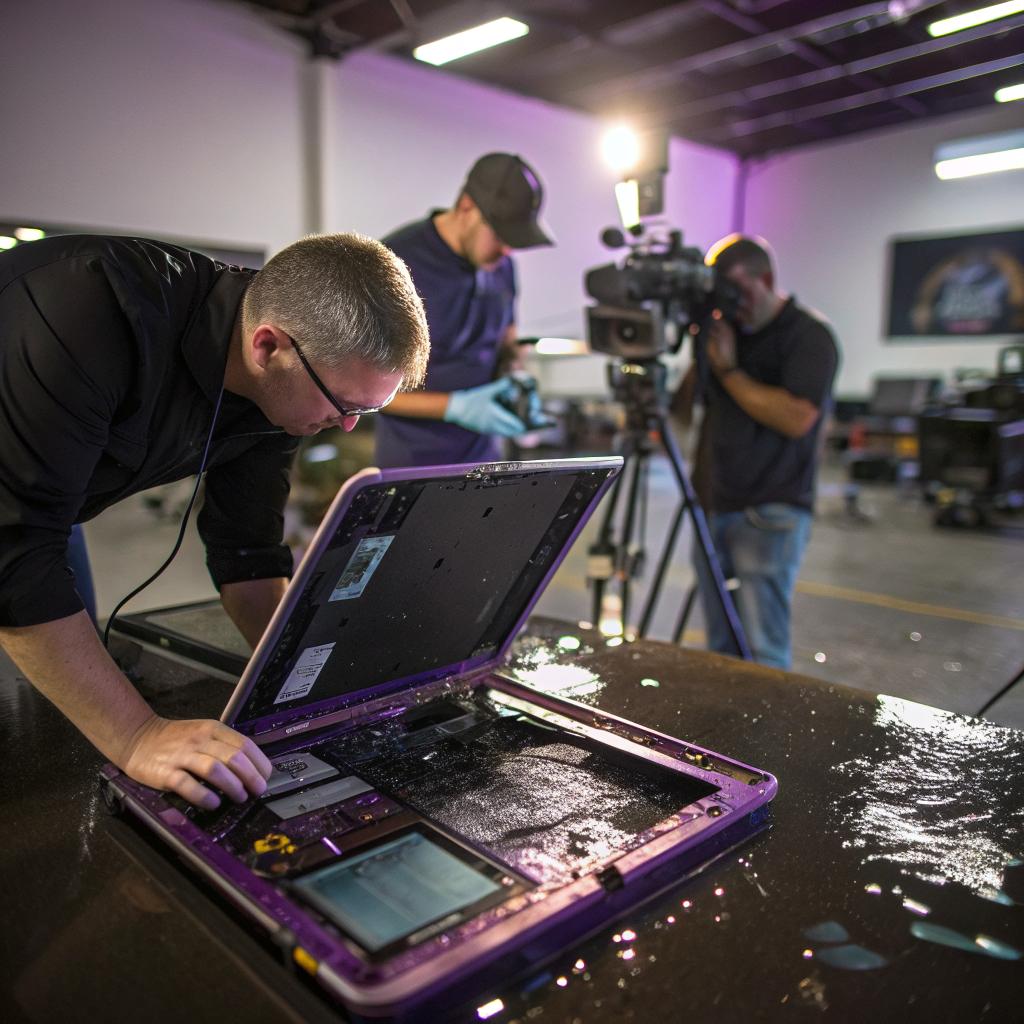
I used to think water damage was mostly about drying carpets and maybe running a few fans. Then I watched a friend lose thousands of dollars in gear and repairs because he did not handle the first 24 hours very well.
If you just want the short answer: in Utah, the tech smart way to deal with water damage is to shut off water and power safely, document everything on your phone, remove standing water fast, start controlled drying with proper airflow and dehumidifiers, watch for hidden moisture with meters or pros, and read your insurance policy while you still have a clear head. If the damage is beyond a small area, call a local pro in water damage restoration Utah and let them handle the deeper cleanup, structural drying, and insurance conversations.
Now, let me walk through how to handle this in a way that will make sense to someone who cares about tech, data, and not wasting time.
Why Utah water damage feels different than other places
Utah seems dry, so a lot of people assume water dries fast here. It does not always work that way indoors.
You have a few Utah specific issues:
- Cold winters with frozen and burst pipes
- Spring runoff and sudden storms that overload old drains
- Swamp coolers and HVAC leaks on roofs and attics
- Basements that can flood from groundwater, backed up lines, or broken sprinklers
The air outside might be dry, but once water gets into carpet, insulation, and drywall, it can sit there for days. That trapped moisture is what leads to warped floors, mold, and bad smells that are very hard to fix later.
If you work from home, have a gaming room, or a home lab in the basement, that risk is higher. Routers on the floor, power strips under desks, servers in storage rooms, all of that is right in the splash zone.
The first 60 minutes: a techy checklist that actually matters
This is the part no one wants to think about, but it decides how bad the damage gets. Treat it like an incident response plan for your house.
1. Make sure the scene is safe
Do not rush in and start yanking cables from wet walls.
If water has reached outlets, power strips, or extension cords, do not walk through it or touch anything metal until you know the power is off.
Steps:
- Look for any sign of live electricity touching water: buzzing, sparks, warm outlets, lights flickering.
- If you suspect risk, shut off power to the affected area at the breaker. Not the whole panel if you do not have to, but be conservative.
- If water is near the main electrical panel and you are not sure it is safe, call an electrician or a restoration company and do not touch it.
Next, find the source:
- Broken pipe: Close the main water shutoff. Usually where the water line enters the house or near the water heater.
- Overflowing appliance: Turn off the valve behind the appliance or its supply line.
- Roof leak: Put a container under drips and, if safe, place plastic sheeting or a bin under the suspected entry point.
2. Protect your tech first, then your floors
Most people grab towels. You should grab gear.
Focus on:
- Laptops, phones, tablets
- External drives and NAS units
- PC towers, consoles, and routers
- Power strips and UPS units
Do this:
- Unplug devices from the wall if you can reach the outlet without stepping into water.
- If the outlet is wet or close to standing water, cut power at the breaker first.
- Move gear to a dry room on a higher floor. Do not stack it on damp surfaces or directly on carpet.
Do not power devices back on “just to check” if they still work. Let them dry for at least 24 to 48 hours, and for serious soaking, talk to a repair shop.
3. Start documenting like you are building a bug report
This part feels boring until you deal with insurance. Then you wish you had overdone it.
Use your phone like a field camera:
- Take wide photos of every room that has water.
- Then take close-up photos of damaged spots: swollen baseboards, wet drywall, soaked carpet, stains on ceilings.
- Record short video clips where you slowly pan from floor to ceiling.
- If you can see the source of the leak, record that too.
Try to include timestamps and even a brief narration. Just say what you see. It does not have to sound smart.
Think of insurance as a skeptical reviewer: you want enough clear evidence that they cannot say “we are not convinced this was sudden water damage.”
Active cleanup: how to remove water without making things worse
Once the water stops coming in and the area is safe, you move to extraction and drying. This is where a lot of DIY attempts fall short.
Water removal options
If the water level is small, like a shallow puddle or a wet patch, you might handle it yourself.
| Method | Best for | Pros | Limits |
|---|---|---|---|
| Towels / mops | Very small spills on tile or vinyl | Cheap, fast for minor events | Useless for deep carpet or large areas |
| Wet/dry shop vac | Shallow standing water, carpets | Good for first pass, easy to rent or buy | Cannot pull water trapped deep in padding or walls |
| Submersible pump | Basement floods with several inches of water | Moves water quickly | Still leaves soaked materials that need pro drying |
| Professional extraction | Whole rooms, multiple levels, heavy saturation | High capacity equipment, faster and more thorough | Higher cost, but usually justified for bigger losses |
Two common mistakes:
- Stopping extraction too early because the surface “looks” dry.
- Leaving soaked padding or insulation in place, which keeps feeding moisture into the room.
If you step on carpet and it squishes or you see water wick up walls, that is already past what towels can handle.
Drying strategy: not just pointing fans at stuff
Good drying is a combination of three things:
- Air movement
- Dehumidification
- Temperature control
If you only use fans without drying the air, you just move humid air around. It feels like it is working, but materials stay damp inside.
Practical setup at home:
- Use box fans or air movers aimed across wet surfaces, not straight down.
- Run a dehumidifier in the room at the same time, and empty it often.
- Keep doors and windows mostly closed so you are drying a controlled space, unless the outside air is much drier and cooler.
For Utah, outside air can be dry, but not always. Summer storms bring moisture, and cold air in winter holds less water but can chill the space, which slows drying. You have to use some judgment here.
When to cut and remove materials
This is the hard part because cutting walls feels extreme.
In general:
- If clean water hits drywall for less than 24 hours and the wall just feels slightly damp, you might dry it in place.
- If it is swollen, soft, crumbling, or wet for longer than a day, sections will usually need to be cut out.
- Wet insulation, especially fiberglass batts, almost always needs removal.
If water came from a sewer backup, gray water from old washing machine hoses, or a long standing leak that grew mold, you are in a different category. That is rarely a good DIY project.
Thinking like a tech person: sensors, data, and hidden moisture
Here is where the “tech smart” part actually helps. You would not guess at server room temperature. You should not guess at moisture either.
Moisture meters and hygrometers
For more than a tiny spill, a basic moisture meter and hygrometer are worth the money.
They help you:
- See if walls and floors are still damp beneath the surface.
- Track whether things are getting better from day to day.
- Have numbers to show a contractor or insurance adjuster.
Simple setup:
- Take a moisture reading in an undamaged area to get a baseline.
- Check affected areas and write down the readings twice a day.
- Use a hygrometer to measure room humidity. Aim for under 50 percent while drying.
If the numbers stay high after 48 to 72 hours, you probably still have hidden damp spots.
Smart home extras that actually matter in Utah
Most people buy smart devices for comfort or security. Some can quietly help with water too.
Ideas:
- Smart leak sensors under sinks, near the water heater, behind the fridge, next to the sump pump, near window wells.
- Wi-Fi water shutoff valves that you can control from your phone.
- Smart thermostat logging that lets you see humidity trends over time.
If you set alerts for leaks and humidity spikes, you can catch slow problems before they turn into major restoration jobs. It is like monitoring logs rather than waiting for a system to crash.
Utah specific sources of water damage you might overlook
Some of the common patterns here are pretty boring but predictable. Knowing them helps you plan.
Swamp coolers and HVAC leaks
Evaporative coolers on roofs or in windows can leak into attics, ceiling cavities, and walls. Often it is not dramatic. Just slow drips that go on for weeks.
Watch for:
- Ceiling stains below coolers or roof penetrations.
- Musty smell in the same room every time the cooler runs.
- Soft drywall or nails that start to pop in the ceiling.
If you are tech minded, it is the same pattern as a memory leak. Slow, quiet, and only obvious when things fail.
Sprinklers and foundation seepage
In many Utah neighborhoods, sprinklers spray very close to basement walls. Combine that with clay soil and aging drainage, and you get seepage or flooding.
Check:
- Where sprinkler heads hit the house. Adjust if water sprays directly on walls.
- Grading around your foundation. The soil should slope away, not toward, the house.
- Window wells for standing water and clogged drains.
A basic camera inspection of window well drains or a small pump in problem wells can save you an awful weekend.
Winter pipe problems
Utah winters bring frozen pipes in garages, crawlspaces, and exterior walls.
Simple prevention:
- Insulate exposed pipes, especially near doors and vents.
- Keep a trickle of water running in problem sinks on very cold nights.
- Open cabinet doors under sinks against outside walls to let warm air in.
Think of it like redundant power for a server. You reduce single points of failure.
When you should call a pro vs handling it yourself
Not every bit of water needs a restoration crew. But people often wait too long when they actually do need one.
Here is a rough way to think about it.
| Situation | DIY is usually ok | Call a pro |
|---|---|---|
| Size of affected area | Less than about 10–20 square feet, shallow | Multiple rooms, ceilings, or a full basement |
| Type of water | Clean, recent leak from supply line | Sewer backup, long standing leak, or unknown source |
| Materials affected | Tile or vinyl with no walls or cabinets hit | Drywall, insulation, subfloor, structural wood |
| Time since event | Less than 24 hours and drying has started | More than 24–48 hours, visible mold, or strong odor |
| Tech and valuables | Minor gear, no critical data at risk | Servers, media libraries, labs, or expensive equipment |
If you decide to call a pro, ask some straightforward questions:
- What is your response time today or tonight?
- Do you have experience in my part of Utah and with my type of building?
- How do you document moisture and progress? Do you provide readings and photos?
- Can you help with the insurance claim process?
Good companies handle water extraction, structural drying, removal and replacement of damaged materials, and detailed documentation. The documentation part sounds minor until you file a claim.
Insurance, photos, and not getting lost in the paperwork
Water damage and insurance can be confusing. Some events are covered. Some are not. Sometimes it depends on how your policy defines “sudden and accidental” vs “maintenance issue.”
You cannot fix the policy wording during a flood, but you can manage how you present the event.
Basic steps for a smarter insurance process
- Take photos and videos before major cleanup, as mentioned earlier.
- Make a quick list of damaged items with rough prices and purchase dates.
- Do emergency mitigation to stop further damage. That is not optional.
- Call your insurance carrier and write down the claim number and adjuster name.
If you are fairly technical, you might organize your claim like a small incident report:
- Timeline: When you noticed the problem, when you shut off water, when you called for help.
- Impact: Rooms and systems affected, including gear and furniture.
- Mitigation: What you did to stop and dry things.
You do not need fancy language. Just clear facts.
A few extra points that people often miss:
- Most policies cover sudden events better than slow leaks. If a pipe bursts, that is different than a drip that went on for months.
- Water that comes from outside at ground level may be treated differently than water from inside plumbing.
- Upgrades, like better flooring or new baseboards, may not be fully covered beyond “like kind and quality.”
If you bring in a restoration company, they usually share their photos and moisture readings, which can support your claim.
Protecting your digital life before something goes wrong
There is one topic people skip in water discussions: data. Hardware is replaceable. Your data might not be.
Backups and physical placement
Ask yourself a blunt question: if your basement fills with 4 inches of water right now, what do you lose that you cannot restore from somewhere else?
Look at:
- External drives with old photos or work projects.
- Home media servers with ripped movies and TV series.
- DIY NAS units sitting on the floor under a desk.
Simple changes:
- Move critical storage at least a foot or two off the floor.
- Keep the most irreplaceable data in a cloud backup or offsite copy.
- Do not store backup drives in the same room as your main machine if that room is flood prone.
You probably know the 3-2-1 backup idea already. Water damage is one of the reasons it exists.
Power and surge issues during water events
Water damage often comes with power issues: breakers trip, circuits short, surges hit electronics.
Basic actions:
- Unplug or power down sensitive gear once the risk is clear.
- Use surge protectors and UPS units in areas where outages are common.
- Wait for a stable, dry environment before bringing systems back online.
If a device was in the path of water, assume it is guilty until proven dry. Opening a case that still has moisture inside can shorten its life or kill it immediately.
DIY tools and basic kit for Utah homeowners
You do not need a full restoration van in your garage. A small, realistic kit goes a long way.
What a simple home kit might include
- Wet/dry shop vac with a good hose
- Decent dehumidifier sized for at least one main room
- Box fans or one or two small air movers
- Moisture meter and hygrometer combo
- Plastic sheeting and tape for isolating areas or catching ceiling drips
- Basic PPE: gloves, N95 masks, safety glasses
- Flashlight or headlamp for checking crawlspaces and under cabinets
This is not overkill if you live near the mountains or in older neighborhoods with finicky plumbing. It is more like having a decent toolkit for your house.
Common myths about water damage that tech minded people still fall for
Even careful, logical people get a few things wrong here. I did too.
“It looks dry, so I am fine”
Surfaces can feel dry while insulation and framing behind them stay wet.
If you do not measure, you do not really know. It is like only looking at CPU usage and ignoring memory and disk.
“I can just crank the heat and it will dry”
Heat helps, but if you do not remove moisture from the air, it has nowhere to go. You might even drive moisture deeper into materials.
Fan plus dehumidifier plus some heat works better than heat alone.
“Mold will be obvious”
You will not always see fuzzy growth. Sometimes the first sign is a musty odor, allergy symptoms, or warped trim.
By the time you see clear mold on the surface, it may have been active behind the scenes for a while.
Last thoughts: quick Q&A from a practical angle
How fast should I act after water damage in Utah?
Within the first hour, stop the source, protect electronics, and take photos. Within the first 24 hours, extract standing water and start active drying. After 24 to 48 hours, if things are not clearly improving, bring in a professional.
Can I fully dry a soaked basement by myself?
For a shallow, clean water event in a small area, maybe. For several rooms, heavy carpet saturation, or water in walls and insulation, home gear usually is not enough. At that point, DIY tends to cost more in the long run, because slow drying leads to mold and structural repair.
Are smart leak detectors really worth the money?
Yes, especially under water heaters, near washers, under sinks, and near sump pumps. They are far cheaper than one insurance deductible and can alert you before damage spreads.
What should I do first if water hits my PC or server?
Cut power safely, disconnect from the wall, and move the equipment to a dry place. Do not power it back on quickly. Let it dry for at least a day or two, and if the hardware is expensive or critical, get a professional assessment. Focus on recovering or confirming backups before worrying about the hardware.
How do I know when it is really dry?
You know it is dry when moisture readings in affected areas match readings from unaffected parts of the house, room humidity is back under about 50 percent, and there are no musty smells or visible signs of dampness. Guessing by touch alone is what gets people in trouble.
What part of this process do you feel least ready for right now: the first hour response, the insurance side, or the long term prevention with sensors and backups?