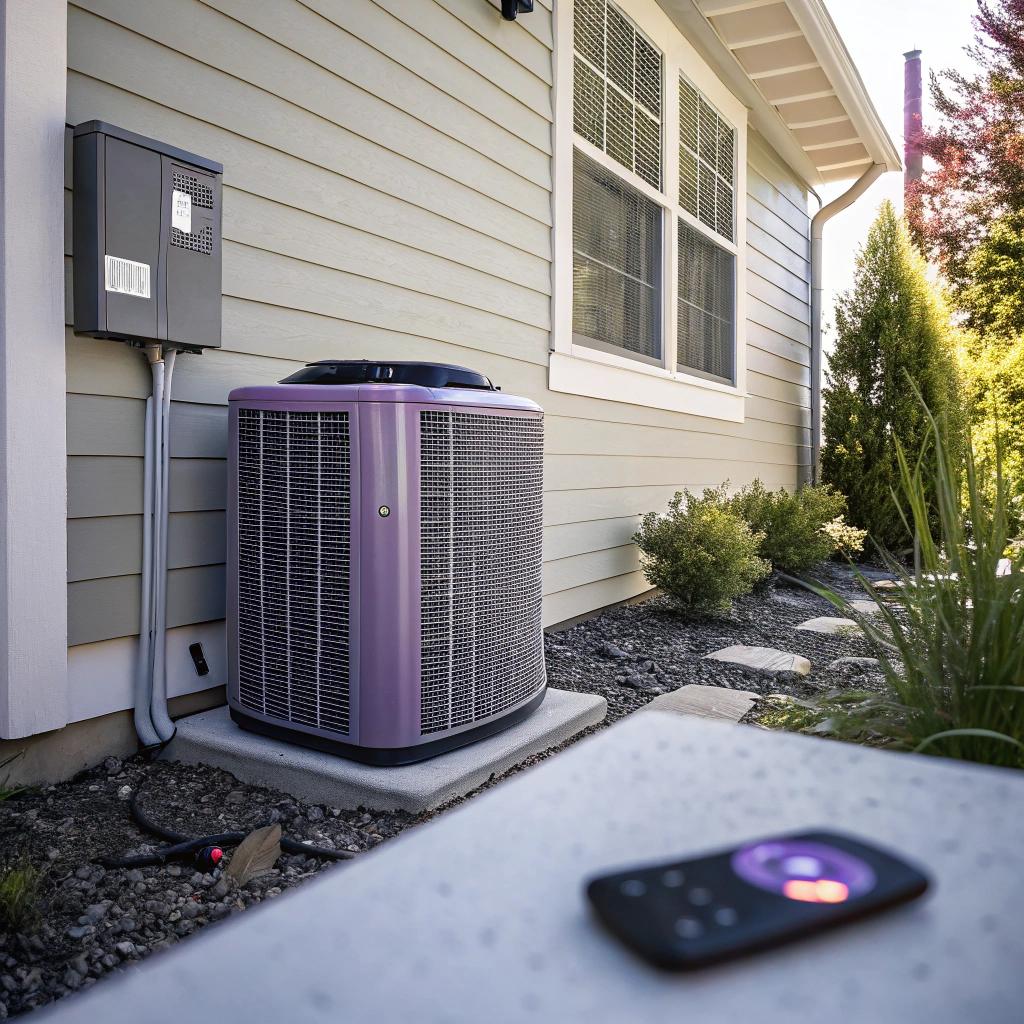
I used to think replacing an HVAC system was just a boring home repair you put off as long as possible. Then I watched my smart thermostat, air quality monitor, and power usage app all disagree with each other for a whole summer, and I realized the system behind them mattered way more than I expected.
If you want the short answer: if your system is over 12 to 15 years old, struggles to keep up in Kansas heat or cold, makes odd sounds, and your smart devices keep showing high energy use or crazy temperature swings, it is probably time to plan for HVAC replacement Wichita with a trusted local pro like HVAC replacement Wichita. For smart home fans, the best setup is usually a high efficiency variable speed system (heat pump or furnace plus AC) that supports modern thermostat protocols, has room for zoning, and is installed with attention to ductwork and airflow, not only the box outside.
What smart home people really care about in an HVAC upgrade
If you like tech, you probably do not just want “heat and cool.” You want:
- Real control from your phone, not a clunky old wall box
- Stable temperatures in each room, not one hot bedroom and one freezing office
- Good air quality data that matches what your sensors show
- Energy use you can track and predict
The hardware sitting outside and in your basement or closet sets the limits for all of that. If the system is old, single stage, and badly sized, no amount of smart thermostats or scripts in your home automation platform will fix the core problem.
Your smart home is only as smart as the slowest, oldest piece of gear running the core jobs in your house, and HVAC is usually that bottleneck.
So when you think about HVAC replacement in Wichita, try to think beyond “new unit” and more in terms of “new platform” that your smart devices will live on.
Step 1: Is your HVAC really ready for replacement?
HVAC companies love to sell new systems, and people on the internet sometimes say “just replace it after 10 years” without much thought. That is not always good advice.
Here are practical signs your system is crossing that line where repair starts to become a bad use of money:
- Your system is 12 to 20 years old and has had 2 or more major repairs in the past 3 years.
- Your smart thermostat shows long run times, but the house still does not hit the set temperature.
- Electric or gas bills are steadily higher than neighbors with similar house sizes, even after filter changes and basic service.
- You hear grinding, rattling, or harsh clicking during startup or shutdown.
- Your smart sensors show big temperature differences across rooms, even when doors are open.
Smart home users have a small advantage here. The data in your apps actually helps you make a better call.
You can look at:
- Runtime history during hot days in July or August in Wichita.
- Frequency of short cycles (system turns on and off quickly).
- Any error codes from smart thermostats or connected HVAC modules.
If your system runs all day during 100 degree heat and still does not hold, that is a strong sign the equipment is tired, undersized, or both.
Repair vs replace, but in numbers
People say “if the repair costs 50 percent of a new system, replace it.” That is a rough rule and can be wrong.
Think about these three simple checks:
| Factor | Repair leaning | Replacement leaning |
|---|---|---|
| Age | Under 10 years | Over 12 to 15 years |
| Repair cost | Under 15 percent of new system | Over 30 percent of new system |
| Energy use | Bills normal or slightly higher | Energy use clearly trending up over 2+ seasons |
| Comfort | Mostly comfortable with minor issues | Chronic hot/cold spots, noise, and humidity swings |
If you hit the “replacement leaning” side in 3 or 4 of those rows, it is probably time to plan a new system instead of throwing more money into old gear.
Wichita climate and what that means for your HVAC choice
Kansas weather is not gentle. Summers reach triple digits with high humidity. Winters are not brutal for months like some states, but cold snaps and wind can hit hard.
Your HVAC system has to respond to:
- Very hot, humid summers where cooling and dehumidification matter a lot
- Cold, windy days that test the heating side
- Seasonal pollen and dust that irritate allergies
If your smart thermostat shows long runtimes and humidity numbers that never go down in summer, you are not just uncomfortable, your system is probably costing you more every single hour.
So for Wichita homeowners who like tech, I think there are a few core decisions that matter more than brand names.
Heat pump vs furnace + AC in Wichita
This is one topic where people can be stubborn. Some swear by gas furnaces, others love modern heat pumps. For Wichita, both paths can work, but they behave differently.
| Setup | Good parts | Tradeoffs |
|---|---|---|
| High efficiency gas furnace + central AC | Strong heat on very cold days, familiar tech, supports most smart thermostats | Uses gas plus electricity, AC may still be single stage unless you choose higher tier |
| High efficiency heat pump + backup heat (gas or electric) | Good match for moderate winters, very efficient in spring and fall, often pairs well with advanced controls | Needs careful sizing, efficiency drops in extreme cold, backup heat choices matter |
For a tech focused home in Wichita, I usually lean slightly toward a modern heat pump with proper backup heat, if your house is insulated decently. But if your house is older and drafty, a high efficiency gas furnace plus a variable speed AC might fit better.
The truth is, both are fine if:
- The system is sized correctly from a real load calculation, not a guess.
- The installer supports the thermostat and control platform you want.
- Ductwork and airflow are checked, not ignored.
Why system “stages” and blower speed matter more than brand
A lot of HVAC marketing talks about brands the way phone fans talk about Apple vs Android. For comfort and smart control, the more important question is: how many “gears” does the system have.
You will usually see three categories:
- Single stage: on or off, full power or nothing.
- Two stage: low and high, a bit of modulation.
- Variable speed: many small steps, adjusts output more smoothly.
For a smart home, variable speed has clear benefits:
- Quieter operation, easier to leave running longer at low speed.
- Better humidity control during Wichita summers.
- Smoother temperature control, fewer swings that confuse your thermostat graphs.
If you care about graphs in Home Assistant or your thermostat app, a variable speed system will give you curves that actually look like a well tuned system, not jagged peaks from full blast on/off cycles.
You pay more upfront, but the comfort difference is real. If your budget allows, I think a variable speed blower with at least a two stage compressor is a strong sweet spot.
Smart thermostat and HVAC compatibility choices
You probably already use or plan to use a smart thermostat. This part is where tech lovers sometimes trip up. Not every HVAC system plays nicely with every thermostat.
Open, app friendly thermostats vs proprietary controls
There are two broad styles:
- Brand-specific “communicating” systems with proprietary thermostats.
- Standard systems that work with common smart thermostats and home automation platforms.
The brand specific type can offer deep integration inside that brand, including advanced diagnostics. The tradeoff is you are locked into a single thermostat and sometimes limited integrations.
If you enjoy tinkering, use Home Assistant, HomeKit, or more advanced routines, you might prefer a standard 24 volt system with a thermostat that has public integrations.
Some popular options smart home people use:
- Google Nest thermostats
- ecobee Smart Thermostat series
- Honeywell T series with WiFi
- Advanced Z-Wave or Zigbee stat options that tie directly into home automation hubs
Before you pick HVAC equipment, ask these basic questions:
- Will this system work with my preferred thermostat type?
- Does it require a proprietary controller?
- Are all the stages and fan speeds exposed to third party thermostats?
If an installer cannot answer clearly, that is a small red flag for a tech forward home.
The C wire problem and control wiring
Smart thermostats often need a common “C” wire. Many older Wichita homes do not have one at the thermostat location.
For a replacement, this is the right time to fix that. Running a new thermostat cable during an HVAC replacement is much easier than after the fact.
Ask your installer to:
- Run enough conductors to support extra stages and smart controls.
- Label wires cleanly for future troubleshooting.
- Confirm voltage and power needs for your chosen thermostat.
You do not want to end up with a high end variable system that your thermostat cannot fully control because there are not enough wires.
Ductwork: the boring part that actually controls your comfort
People like to talk about SEER ratings, heat pump models, and app screenshots. The air path in your home matters just as much.
In Wichita, a lot of older homes had ductwork installed for basic single stage systems. Over time, modifications, room changes, or cheap add-ons can make things worse.
Look for these things during an HVAC replacement:
- Static pressure measurements before and after.
- Discussion of return air size and location.
- Plans for any visibly crushed, kinked, or undersized ducts.
If you notice certain rooms always underperform in your app data, mention those to the installer. Do not let them just shrug and say “old house.”
Duct fixes are not fun to talk about, but they are usually cheaper than buying an oversized system that still fails to fix the comfort problems.
For tech focused owners, stable airflow means:
- More reliable temperature sensors.
- Better HVAC performance graphs.
- More accurate reactions from automations tied to temperature and humidity.
Zoning and room level control
You might be tempted to ask for full motorized zoning with individual thermostats in each room. Sometimes that works well. Sometimes it causes mechanical headaches.
There are three rough levels of control you can think about:
| Level | Description | Pros | Concerns |
|---|---|---|---|
| Basic single zone | One thermostat, whole house follows it | Cheapest, simplest, fewer parts to fail | May leave uneven rooms, harder to fix problem areas |
| Smart vents / room sensors | Use room sensors and some controllable vents | Can tweak comfort without full zoning, integrates with smart home | Cost rises quickly, must be careful not to restrict airflow too much |
| Full multi zone HVAC | Separate dampers and thermostats for areas like upstairs/downstairs | Serious comfort control, good for multi story homes | More complex to design and service, higher install cost |
For many Wichita homes, a two zone system (for example, upstairs and downstairs) plus a smart thermostat with remote sensors gives a nice balance.
If you do a full zoning setup, insist on talking through:
- Bypass or pressure relief plans so the system is not stressed when zones close.
- How the zones will be controlled and integrated into your smart routines.
- What happens during equipment failure and how safe modes behave.
Indoor air quality for allergy and data nerds
If you already have air quality sensors that show PM2.5, VOCs, or CO2 levels, you probably have opinions on your indoor air.
Wichita can have pollen-heavy spring and fall seasons. Dust also creeps in.
During an HVAC replacement, these are good upgrade points to consider:
Filters and filter cabinets
A builder grade 1 inch filter does not catch much and clogs easily.
Ask about:
- 4 inch media filter cabinets that support MERV 11 to 13 filters.
- Space and access for easy filter changes.
- How filter choice will affect static pressure.
Higher MERV filters trap smaller particles, but if you overshoot, you can hurt airflow. A good installer will balance this, not just throw in the thickest filter possible.
UV lights, air cleaners, and reality
Some IAQ add-ons are helpful, some are more marketing than science.
Reasonable upgrades:
- Properly sized media filters.
- Well setup ventilation or fresh air intake if your house is tight.
- Humidity control through system staging and blower settings.
More complex tech like UV lights or electronic air cleaners can help in some cases, but you should look for actual data and independent testing, not just glossy brochures.
You can make your own test: watch your air quality sensors before and after the new system, and see if particle levels or VOC spikes change with different filter types and runtimes.
Energy ratings, rebates, and what actually shows up in bills
SEER and HSPF numbers appear everywhere in HVAC marketing. They represent lab rated efficiency. Real world savings for your Wichita home depend heavily on your usage patterns and thermostat schedules.
A few things that matter more than people admit:
- How much time you spend at home during the day.
- How aggressive your setback schedules are.
- Whether you depend on backup electric heat often.
- How tight your home is and how good your attic insulation is.
For a tech heavy home, you can:
- Pull your last 2 to 3 years of gas and electric bills.
- Compare degree days in Wichita for those periods if you want to dig deeper.
- Use your smart thermostat runtime history to understand how much the system works in peak season.
Then, when a contractor suggests a high efficiency unit, ask them to show a simple payback estimate. If the added cost of a higher SEER or HSPF system takes 20 years to pay off and the warranty is 10 years, that upgrade might not make sense.
On the flip side, if the difference in price between mid tier and high tier is small and your summer runtime is long, the better system can be reasonable.
What to look for in an HVAC contractor in Wichita if you are tech focused
Not every installer cares about smart home features. Some barely tolerate smart thermostats.
Here are plain things to ask when you get bids:
Questions to ask every contractor
- How will you size the system? Are you doing a Manual J load calculation, or just matching the old size?
- How do you handle thermostat compatibility and wiring for smart controls?
- Will you check and measure static pressure and airflow, not only swap equipment?
- What training do your techs have on variable speed and communicating systems?
- How long have you worked in Wichita climate and what do you usually recommend for similar homes?
If they quickly suggest a size without measuring or asking questions about insulation, windows, or duct layout, you can push back. A tech oriented homeowner should not feel weird asking for numbers and measurements.
What a good estimate should include
A strong proposal for HVAC replacement in Wichita will usually include:
- Model numbers of each piece of equipment.
- Efficiency ratings (SEER2, HSPF2, AFUE, depending on type).
- Details on stages, variable speed, and controls.
- Any duct modifications, new returns, or zoning plans.
- Thermostat model, or a clear note that your existing thermostat will be reused and is compatible.
You can also ask for:
- Photos of similar installations.
- Warranty terms for equipment and labor.
- Maintenance plan options.
Just do not let a long maintenance plan distract you from core design choices. A poorly sized system that is maintained perfectly is still poorly sized.
How an HVAC upgrade plays with the rest of your smart home
Smart homeowners often underestimate how central HVAC is to their automation ideas.
Here are a few common connections:
Integrating HVAC with other sensors
You might already have:
- Window and door sensors.
- Occupancy or motion sensors in key rooms.
- Temperature and humidity sensors around the house.
- Energy monitoring modules.
After a replacement, you can refine automations like:
- Pause or adjust HVAC when windows are open for more than a set time.
- Change setpoints based on occupancy without making big swings that stress the system.
- Switch fan modes to circulate air if certain rooms lag behind in temperature.
The smoother, slower ramp of variable speed systems works nicely with these automations, because it is less jarring and more predictable.
Voice control and actual daily use
Voice commands to change temperature feel simple, but with a new system there are a couple of extra things you can tune:
- Limit how much a single command can change the setpoint at once, so kids or guests cannot crank it 10 degrees at a time.
- Use modes rather than specific temperatures in routines, for example “home”, “away”, “sleep”.
- Track how often manual changes happen compared to scheduled changes.
If you notice constant manual overrides, that might mean your base schedule does not match your actual lifestyle, or the system is not sized or tuned quite right.
Planning the timing of your HVAC replacement in Wichita
There is a simple, slightly frustrating reality: the worst time to replace HVAC is when it fails on a 105 degree day or during an ice storm.
Since you care enough to read a guide, you are probably the kind of person who likes to plan.
A few timing tips:
- If your system is 15+ years old and showing clear signs of strain, start collecting bids before peak summer or winter.
- Ask about shoulder season scheduling, like early spring or early fall, when contractors are a bit less overloaded.
- Set aside a realistic budget, not only for equipment, but also for duct fixes or upgrades that might appear once they open things up.
There is one more angle smart home people care about: downtime.
Ask each contractor how long your system will be offline, and whether that will affect any other gear:
- Thermostats that double as home sensors.
- HVAC powered sensors in your automation network.
- Condensate pumps or overflow switches that might trip alerts.
You might need to silence or adjust certain automations while the work is in progress.
Common mistakes smart home lovers make with HVAC replacement
People who like tech are not perfect. I say this as one of them. There are a few mistakes I see over and over:
1. Focusing too much on brand and not enough on design
You can pick a top brand and still be uncomfortable if:
- The system is oversize or undersize.
- Ductwork is ignored.
- The thermostat is not set up correctly.
The installer matters more than the logo on the unit. I know that sounds boring, but it keeps proving true.
2. Expecting smart thermostats to fix mechanical issues
A smart thermostat can smooth schedules and show you data. It cannot:
- Make a small system larger.
- Repair leaky ducts.
- Fix terrible static pressure and airflow losses.
When people say “my smart thermostat did not save me money,” they often ignore that the equipment behind it was already in trouble.
3. Overcomplicating zoning and vents
Smart vents and heavy zoning can work, but if you block too many vents or close too many zones, you can cause:
- High static pressure.
- Noise, whistling, or rattling.
- Shortened equipment life.
If you want room level control, plan it with your installer. Do not just randomly slap smart vents into a duct system that was not designed for them.
A quick example: upgrading a Wichita smart home HVAC
Let me walk through a simple story. Not a perfect one, but close to how this often looks.
Imagine:
- 2 story 2,400 square foot home in Wichita.
- 15 year old 4 ton single stage AC, 80 percent gas furnace.
- Nest thermostat, a handful of smart temperature sensors, Home Assistant running on a small server.
Problems:
- Upstairs bedrooms too hot in summer evenings.
- System short cycles, especially at night.
- Energy bill climbing over last 3 summers.
Steps during a planned replacement:
- Contractor does a full load calculation and finds the real need is closer to 3 or 3.5 tons, not 4.
- They discover return air is undersized, so they add an extra return in the upstairs hallway.
- They suggest a 2 stage or variable speed heat pump with gas furnace backup for rare cold snaps.
- Thermostat wiring is upgraded so the Nest can control all stages properly, with room for another sensor later.
- A 4 inch MERV 11 filter cabinet is installed with room to move to MERV 13 if static pressure stays reasonable.
- The homeowner tweaks automations to use the upstairs temperature sensor as the primary reference during sleeping hours.
After the work:
- Runtime graphs show longer, calmer cycles at lower speed.
- Upstairs temperature stays within 1 to 2 degrees of target, instead of 5 to 7.
- Energy bills drop, but more importantly, comfort improves a lot.
This is not magic. It is just matching design to actual needs, then letting the tech polish the user experience.
FAQ to wrap it up
Q: What is the single most important decision for HVAC replacement in Wichita if I care about smart home features?
A: The most critical choice is picking an installer who understands both system design and thermostat compatibility. Equipment can be adjusted, brands can change, but a poor install locks you into years of frustration, no matter how smart your devices are.
Q: Should I wait for my system to die before replacing it?
A: I would not. If your system is past 12 to 15 years and you see clear warning signs in your energy data or comfort levels, planning a replacement in a calm season gives you time to choose better equipment and a better installer without rushing.
Q: Are variable speed systems really worth it for a Wichita home?
A: For many homes, yes. The smoother temperature control and better humidity management show up every summer. If the price jump from a basic system is massive for your case, you can choose a two stage system instead, but if the gap is reasonable, variable speed tends to fit tech oriented owners very well.
Q: Do I need a brand-specific thermostat from the HVAC manufacturer?
A: Not always. If you want open integrations and more control over automations, a standard 24 volt system plus a strong third party thermostat can be a better fit. Communicate that clearly with your contractor before you sign anything.
Q: How do I know if the new system is actually performing well after install?
A: Use the tools you already like. Watch runtime graphs, temperature stability in different rooms, and humidity levels during hot and cold weeks. If you still see long runtimes, wide swings, or room imbalances, call the installer back and go through the numbers together. Your data is not just for show, it can help tune the system.
What part of your current HVAC setup annoys you the most when you look at your smart home data: comfort, noise, or the energy graphs?