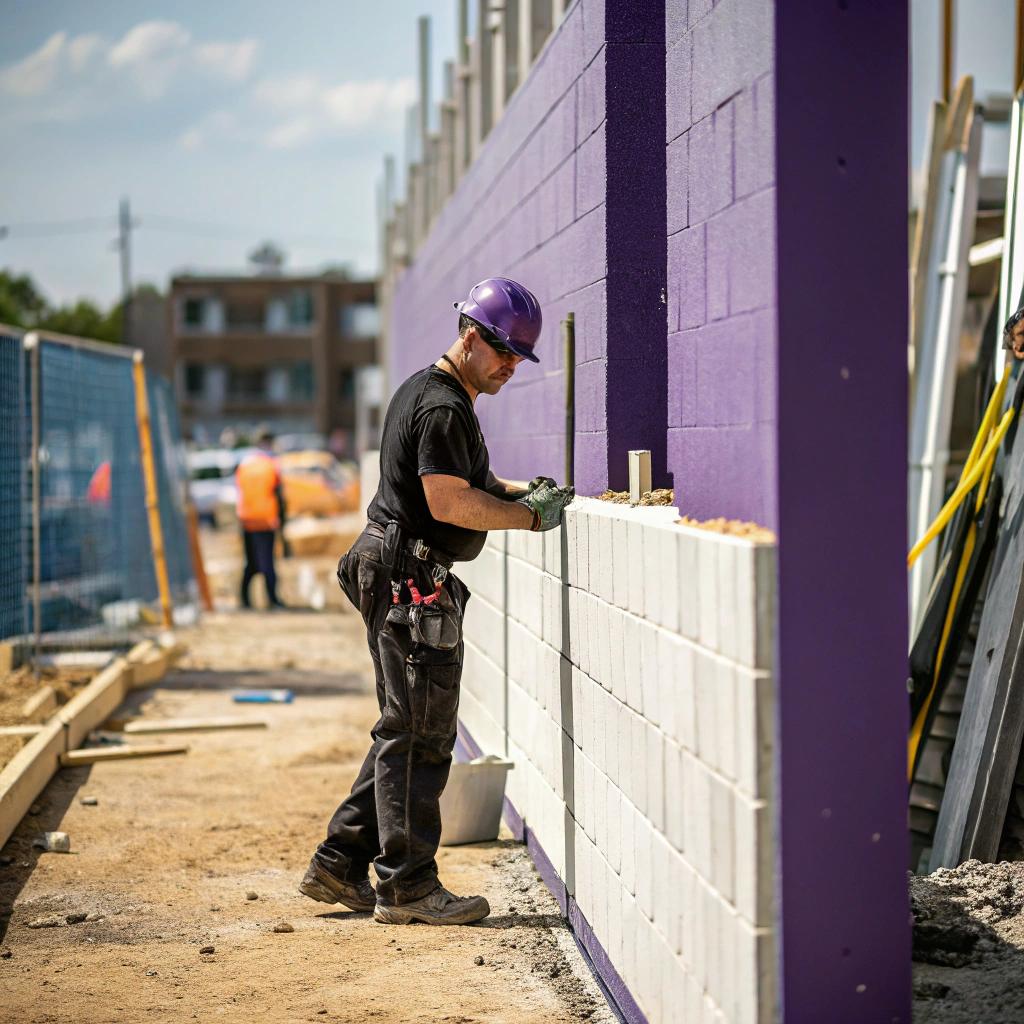
I used to think construction work barely changed. Concrete, lumber, crews on site, and that was about it. Then I started looking into what general contractors in Lexington are using behind the scenes, and it feels much closer to a tech company than the old-school jobsite many of us picture.
Here is the short answer: tech is changing how projects are planned, priced, built, and even maintained. General contractors in Lexington, especially companies like general contractors Lexington KY, are using software, cloud tools, smart devices, and even basic automation to reduce delays, keep budgets under control, and help homeowners and developers see what they are paying for before a single wall goes up.
From a distance, a remodel or a new home in Lexington still looks like sawdust and drywall. The difference is everything that happens behind the scenes.
You have project management tools tracking every step.
You have 3D models instead of flat blueprints.
You have sensors built into homes and commercial buildings.
It is not flashy from the sidewalk, but if you care about tech, it is actually pretty interesting.
How digital planning is changing the first meeting
I used to think a first meeting with a contractor had to be vague. You talk about ideas. You get a rough number. Then you cross your fingers.
Now the first real shift is in how planning works before anyone signs a contract.
Most serious general contractors in Lexington run projects through digital planning tools. Instead of a simple spreadsheet, they use scheduling and budgeting platforms that connect:
- Material lists
- Labor availability
- Weather data
- Supplier lead times
So the plan is not just “we will start in three weeks.” It is tied to real data about who is free, what materials are in stock, and what might slow things down.
Tech-driven planning does not mean zero delays, but it does mean fewer surprises and fewer vague answers.
For a homeowner or a business owner, this changes the tone of that first meeting. You are not only talking about design. You are looking at a digital roadmap that can be adjusted in real time.
From napkin sketch to 3D model
In the past, if you wanted to remodel your kitchen, finish a basement, or build a deck, you had to translate 2D drawings in your head. Some people can do that well. Many cannot.
Now, contractors are more likely to use:
- 3D modeling tools for floor plans
- Virtual walkthroughs for major remodels
- Digital product catalogs tied to real pricing
For projects like:
- Kitchen remodeling in Lexington
- Bathroom remodels
- Finished basements
this is huge. You can look at different layouts, cabinet choices, tile patterns, and lighting setups in a mockup instead of guessing based on small samples and flat drawings.
Is it perfect? No. A digital kitchen still looks slightly cleaner than a real one with kids, pets, and messy cooking. But it gives you a far better idea than a static sketch.
Faster, clearer pricing through software
Pricing has also changed. Many general contractors now feed project data into estimating tools that pull:
- Current material prices
- Standard labor rates
- Local code requirements
If you are into tech, you will see this as a practical use of structured data. It is not magic. But it helps catch things that often get missed by hand, like:
- Extra framing around larger windows
- Vent changes during a kitchen remodel
- Moisture control work in an older Lexington basement
The main benefit of digital estimating is not that it is fancy, but that it reduces the number of “We did not include that” conversations mid-project.
How project management tech keeps jobs moving
Once a project starts, tech becomes even more visible to anyone working on the job, even if the homeowner never sees the apps directly.
Project management platforms and shared dashboards
Think of the old way. The contractor had:
- Paper schedules
- Phone calls and texts to each trade
- A whiteboard in the office with dates scribbled in marker
Now, most general contractors use project management platforms that let them:
- Assign tasks to each crew member
- Track what is done, delayed, or blocked
- Store permits, plans, and inspection notes in one place
Many of these tools have mobile apps. So if an electrician finishes early at a bathroom remodel site, that update gets logged immediately, and the tile installer can be moved up.
I have seen this kind of coordination make the difference between a remodel that finishes a week early and one that drifts for months.
Construction still has unknowns, but connected tools help contractors react faster instead of letting days slip away while people wait on calls or guess what is next.
Field apps, photos, and real-time updates
Field apps are another practical shift.
Most crews carry phones or tablets on site. They use them to:
- Upload daily job photos
- Check the latest version of plans
- Report issues with notes and images
If you are remodeling a kitchen while you live in the house, these updates are useful. Many companies share a client portal where you can:
- See daily or weekly progress photos
- Check what is scheduled for the coming days
- Send questions without waiting for a call-back
From a tech point of view, none of this is complex. It is just using modern communication tools in a field that used to rely on handwritten notes and guesswork.
Smart tools, smart homes, and smarter materials
Not every project in Lexington involves smart tech, and not every client wants it. Some people just want a solid deck or a clean bathroom. That is fine.
But tech is creeping into the details in ways that affect quality and how long things last.
Smart home features and connected systems
Many general contractors now treat smart home features as a normal part of projects, instead of a luxury add-on.
Common examples:
- Smart thermostats tied to HVAC upgrades
- Connected door locks and security cameras during exterior work
- Smart lighting systems, especially in kitchen and basement remodels
It is not all about convenience. A lot of this connects to energy use and maintenance.
For example, if you replace old windows in a Lexington home and combine that with better insulation and a smart thermostat, you can actually see energy use dropping in your utility app.
Sensors and monitoring for moisture and structure
Lexington has basements. Basements have moisture. That is just reality.
Some contractors now include or at least offer:
- Moisture sensors in key locations
- Smart sump pump alarms
- Temperature sensors near exterior walls
You might think this is overkill, but if you finish a basement and ignore moisture, you can end up with mold and damaged finishes that cost far more to fix later.
Simple connected sensors can alert you when a minor leak starts, not after it has ruined carpet and drywall.
Power tools with data and safety features
On the jobsite, tools are getting smarter too. Not in a flashy way, and not in a “your drill is spying on you” kind of way, but in practical ways like:
- Auto-stop functions to reduce kickback
- Bluetooth tracking to find lost tools
- Battery monitoring for longer usage and faster swaps
From the outside, that may seem minor. For people doing the actual work, it helps them stay safer and lose less time hunting for equipment or running out of power at key moments.
How tech helps specific project types in Lexington
To make this less abstract, it helps to walk through how tech shows up in common project types around Lexington.
Kitchen remodeling
Kitchens are one of the most tech-heavy parts of a home now.
Here is how tech often shapes a kitchen remodel:
- Layout modeling with 3D tools to test island size, appliance placement, and traffic flow.
- Lighting design software to balance task lighting, ambient lighting, and accent lighting.
- Appliance planning with smart ranges, fridges, and dishwashers that connect to your home network.
- Cabinet and surface visualization so you can compare wood tones, paints, and countertops without guessing.
Contractors can also use software to check clearances, door swings, and safety spacing. That makes it easier to avoid awkward layouts that look fine on paper but are annoying in real life.
Bathroom remodels
Bathrooms may not scream “tech” at first, but a lot is going on:
- Digital shower controls that let you set temperature and flow presets.
- Heated floors with programmable thermostats.
- Vent fans with humidity sensors that run as needed.
- Lighting controls that shift between bright task light and softer evening light.
Contractors also use waterproofing systems with clear data sheets and installation guides that connect back to testing and certifications. It is not glamorous, but it matters if you want a shower that does not leak in a few years.
Basement remodeling
Finishing a basement in Lexington is a good test of how tech helps.
Some of the main tech-related pieces include:
- Moisture testing and monitoring before framing starts.
- Digital load calculations if structural changes are needed.
- Lighting and layout modeling to avoid dark, cramped rooms.
- Wi-Fi planning so your signal reaches new living areas or offices downstairs.
A lot of people are turning basements into home offices, media rooms, or small gyms. All of these benefit from better planning around outlets, lighting, data lines, and HVAC load.
Decks and outdoor projects
Deck building might seem old school, but tech is here too.
- Software to model deck size, stairs, and railing layouts.
- Load calculators to meet code for spans and connections.
- Material databases with performance data for composite boards and fasteners.
Contractors can show you what a deck will look like on the back of your home, how much space you actually have for furniture, and how shade will fall during different times of day. It is not perfect, but it helps avoid mistakes like building a nice deck that feels too narrow to use.
How tech improves communication and transparency
If you ask people who had bad experiences with contractors, most will not say “They used the wrong saw.” They will say:
- I did not know what was going on.
- No one told me about changes.
- The bill at the end shocked me.
Tech cannot fix every problem, but it does help with information flow.
Client portals, emails, and clear records
Many general contractors now offer:
- Online portals for your specific project
- Shared document folders with plans, permits, and change orders
- Automatic email or text updates for key milestones
This gives you a written record of:
- What you agreed to
- Changes you approved
- Payments made and remaining
If you have ever finished a project and tried to remember why a certain choice was made, having everything logged helps. It also protects the contractor. Misunderstandings drop when conversations move from vague verbal comments to written approvals.
Change orders and digital sign-offs
Change orders are where many projects go sideways. Maybe you decide halfway through to upgrade flooring. Or you uncover a hidden problem inside a wall.
Instead of a quick verbal “We will handle it,” contractors now often:
- Log a formal change order in their system
- Detail cost, timeline impact, and scope
- Ask for a digital signature from you before moving forward
This might feel slower in the moment. You cannot just say “Go ahead” and forget it. But when the final bill comes, you have a clear list of every change you approved.
Using data from past projects to make smarter choices
One of the quiet benefits of tech is historical data. Contractors who track their projects over years start to see patterns.
Learning from time, cost, and material data
If a contractor logs:
- Planned vs actual schedule
- Planned vs actual budget
- Material performance over time
they can answer questions more accurately, like:
- Which siding brands hold up best in Lexington weather
- How often certain layouts cause delays
- Which suppliers tend to deliver late
This is not glamorous data science, but it is practical. It helps filter out products that look nice in a catalog but fail in real Kentucky conditions.
Predicting trouble spots before they appear
Over time, patterns help contractors predict risk:
- Old electrical systems that always need more work than expected
- Plumbing layouts in older Lexington neighborhoods that cause surprises
- Design choices that almost always go over budget
The better contractors use this information to push back a little when a client wants something that sounds simple but often turns complicated. This is one area where you might not like hearing “I do not recommend that,” but the data behind it can protect your budget and your sanity.
Where AI and automation actually fit in
There is a lot of hype around AI right now. Some of it is useful in construction, some of it is noise.
Real uses of AI in construction projects
Here are a few practical uses that are already happening:
- Schedule prediction: AI tools that look at weather, supplier history, and labor data to estimate delays.
- Risk spotting: Systems that flag conflicts in plans, like ductwork trying to occupy the same space as a beam.
- Cost modeling: Tools that test different design options against budgets quickly.
Most homeowners never see this directly. It shows up in smoother bids and fewer mid-project surprises.
What is still overhyped
There are also flashy claims, like full robot framing or AI-only design with no human review. Personally, I think we are far from replacing skilled carpenters, electricians, or project managers.
Construction happens in the real world, on sites with dirt, rain, uneven foundations, and old repairs that do not match any manual. Tech helps, but people still make the final call.
Challenges and downsides of more tech in contracting
It would be dishonest to pretend tech only brings benefits.
Learning curves and resistance
Not every contractor wants to learn new tools. Some avoid them altogether. Others try but use them halfway, which can be worse than not using them at all.
You might see:
- Apps that crews ignore
- Digital files that are never updated
- Portals that feel clunky and slow
If you are a tech-oriented client, you might expect every contractor to work like a clean SaaS product. That is not reality yet.
Over-reliance on software
There is also a risk of trusting software output without enough experience behind it.
Examples:
- Accepting a material suggestion that looks cheap but fails in real weather
- Relying on a schedule that ignores local labor shortages
- Trusting a 3D model that does not show real-world sightlines or noise
This is where you want a contractor who uses tech as a tool, not as a replacement for judgment.
Privacy and data concerns
Client portals, job photos, and smart home gear all create data.
You should ask:
- Who has access to photos of your home
- How long they are stored
- What third-party tools your contractor uses for communication
Many people do not think about this, but if you care about digital privacy, it is fair to raise these questions before you share floor plans and interior shots of your whole house.
What tech-focused clients should look for in a Lexington contractor
If you care about tech and want to work with a contractor who uses it well, there are some practical signs to look for.
Questions to ask during your first call
You do not need to grill anyone, but you can ask simple questions:
- How do you handle project scheduling and updates?
- Do you offer a client portal or regular digital progress reports?
- What tools do you use for estimating and planning?
- How do you manage change orders?
You are not looking for one specific brand name of software. You are checking if they have a system, not just “We write it down and hope for the best.”
Red flags that tech is only surface-level
Some contractors use tech for marketing but not for real work.
Possible red flags:
- They brag about apps and portals but cannot explain how they work day to day.
- They send you disorganized emails with missing attachments.
- They cannot produce a clear written schedule or budget breakdown.
It is better to work with a contractor who uses a few tools very well than someone who has a long list of software but no clear process.
How this trend might grow in the next few years
Looking ahead a bit, it is hard to see construction going backward on tech. Even contractors who would rather stick to paper are being pulled into digital tools by:
- Suppliers who only provide online pricing
- Inspectors who require digital submissions
- Clients who expect clear digital communication
We will likely see more:
- Prefab components guided by precise digital plans
- Standard smart home packages in remodels
- More data gathering around building performance
There is a risk of overcomplication, yes. Too many apps, too many passwords, too many dashboards. Good contractors will keep filtering what actually helps from what just looks modern.
Simple comparison of “old school” vs “tech-enabled” contractors
Here is a basic table to show the difference you might notice as a client.
| Area | More traditional approach | More tech-enabled approach |
|---|---|---|
| Planning | Verbal estimates, paper plans | Digital plans, shared documents, clearer scope |
| Pricing | Rough numbers, manual calculations | Software-based estimates tied to live pricing |
| Communication | Phone calls, occasional emails | Portals, scheduled updates, clear records |
| Project tracking | Whiteboards, memory, text threads | Project management tools with task tracking |
| Home features | Standard fixtures and controls | Smart devices, sensors, connected systems |
| Post-project insight | Limited records, few lessons learned | Stored data, better future planning and advice |
You do not need a contractor who uses every new gadget, but you do benefit from one who treats tech as a normal part of running a clear, honest project.
Common questions about tech and general contractors in Lexington
Does hiring a tech-focused contractor always cost more?
Not always. Sometimes the opposite. Better planning and fewer mistakes can save money. Fancy smart home gear can add cost, but clear scheduling, accurate estimates, and fewer errors usually offset that. The main cost difference often comes from product choices, not from whether the contractor uses software to manage the job.
Do I have to use smart home devices if I do not want them?
No. A good contractor will not push you into tech you are not comfortable with. You can still benefit from their internal tech, like better planning and communication tools, without installing smart locks, cameras, or app-controlled lights. Just be clear about what you want and what you do not want.
How technical do I need to be as a client?
You do not need to know how the software works. You just need to know what you expect:
- Clear written estimates
- Regular updates
- Documented changes
If a contractor uses tech to provide those things, that is enough. You are not joining their team. You are just asking them to run your project in a way that is organized and transparent.
Can I ask which tools they use?
Yes, and you should if you are curious. Some clients like to know the names of project management platforms or smart home systems. Not to micromanage, but to check compatibility with their own devices or accounts. If a contractor cannot name any tools or process, that might be a warning sign.
What is one simple thing I should look for before signing?
Ask to see an example project plan from a past job. It does not need to have private details, but it should show:
- A timeline with tasks
- A basic budget breakdown
- How changes were recorded
If they can show you that, and it looks structured and clear, then their tech is probably supporting good habits instead of hiding bad ones.