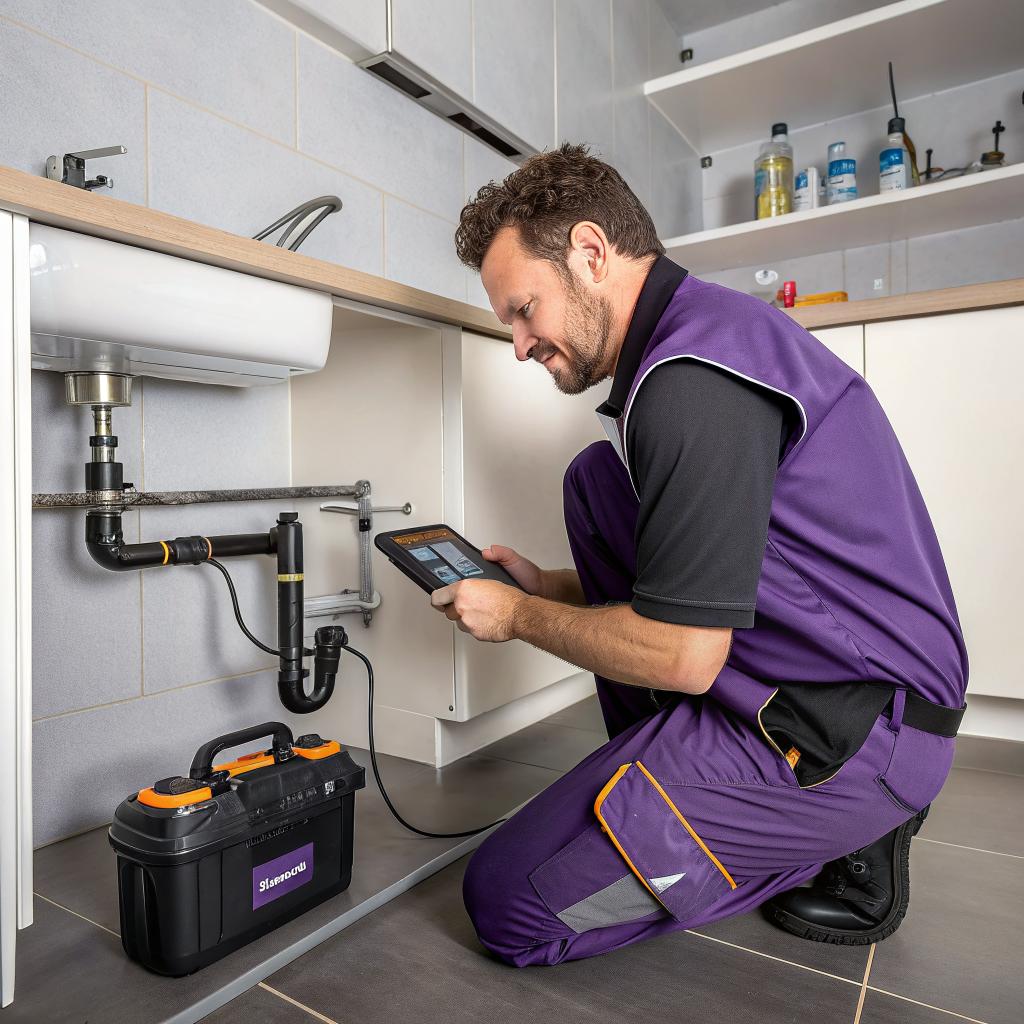
I used to think plumbing was one of those low-tech trades that did not change much. Pipes, wrenches, a flashlight, and a good pair of gloves. That was it, right?
Not really. These days, companies like Spartan Plumber use sensors, cameras, real-time data, and a surprising amount of software to find and stop leaks before they turn into serious damage. In plain terms, they combine old school plumbing skills with smart tech so they can see inside your pipes, listen for tiny leaks, predict where things might fail, and fix problems faster with less guesswork and less damage to your walls and floors.
From here, I want to walk through how that actually works in real homes. Not as a promo, but as a real look at how tech-focused plumbing feels on the ground, when you are the person who just saw a stain on the ceiling and your mind jumps to “what is this going to cost me?”
Why leaks are such a big deal for tech-minded homeowners
If you like gadgets, data, or automation, water leaks sit in a strange place. They are not glamorous. You cannot show off a repaired pinhole leak on social media. But leaks are one of those quiet problems that can ruin a lot of expensive things fast.
A slow leak above your home office can drip through drywall and into a surge protector. A burst line near your networking gear can knock out your router, NAS, and everything you rely on for work or gaming. I saw one case where a small leak near a rack of servers did more damage than a power outage ever could.
So a plumbing company that understands tech does not only think about pipes. They also think about:
– Your home network hardware
– Smart devices that do not like moisture at all
– Flooring, furniture, and computers that sit close to the ground
A good leak fix is not only about stopping water. It is about protecting everything nearby that cannot handle moisture, especially electronics.
This is where Spartan Plumber leans on smart tools. They try to find issues when they are still small blips in data, rather than when you are already mopping the floor.
How Spartan Plumber actually finds hidden leaks
Old style plumbing work often started with “let us open this wall and see.” That method still happens when it is the only option, but it is a last resort now.
Spartan Plumber focuses on non-invasive leak detection first. The general idea is to collect as much information as possible from sensors and cameras before cutting a single hole.
Here are the main tools they use and how they plug into a more tech-aware approach.
Acoustic leak detection: listening for trouble
You know that faint hissing sound when air escapes from a bike tire? Water leaks can have a similar sound. You cannot hear it with your ears, especially through drywall or concrete, but sensitive microphones can.
Plumbers use acoustic leak detection gear that includes:
- Contact microphones placed on exposed pipe or on the surface above suspected pipes
- Amplifiers that boost tiny sounds while filtering out noise
- Headsets or even visual interfaces that show sound patterns
The tech is not magic. The plumber still needs to know where pipes run and how a leak might sound across different building materials. But the acoustic tools help them narrow down a leak to a much smaller area.
Instead of cutting a 6-foot trench through drywall, acoustic tools often cut the search zone down to a 1 or 2-foot span.
This is where tech people usually nod and think “ok, that makes sense, it is like debugging by reading logs before changing code.” You listen first, then act.
Thermal imaging: spotting cold patterns in hot messes
Thermal cameras show temperature differences using color. In plumbing, that helps a lot when leaks involve hot water, or when a cold water leak changes the temperature pattern of a wall or floor.
With a handheld or phone-connected thermal camera, a Spartan Plumber tech will:
– Scan walls and ceilings for unusual cool or warm streaks
– Compare readings near known pipe runs with clear areas
– Check under sinks, around showers, and near appliances
A leak can appear as a fuzzy cooler patch in an otherwise even surface. It is not always obvious, and thermal cameras do not tell you “this is a leak.” They only show temperatures.
But paired with acoustic data and water pressure readings, thermal images help confirm where water is moving.
Smart moisture meters and sensors
Think of moisture meters as tiny probes for building materials. Tech-focused plumbers use them to measure how much moisture is in:
– Drywall
– Wood framing
– Flooring
– Baseboards
Instead of guessing based on a stain, they can see if the moisture level is rising, stable, or dropping. They also check wider areas to see if water has spread beyond the obvious mark.
Some homeowners add their own smart leak sensors around the house. These are small devices that sit under sinks, near water heaters, or by washing machines. They send alerts to your phone when they touch water or when humidity jumps where it should not.
Spartan Plumber does not build these sensors, but their team is used to installing, pairing, or working with them. That matters if you run a smart home setup and want your plumber to understand your devices instead of ignoring them.
A plumber who understands smart leak sensors can tie their work into your existing home automation instead of working around it.
Using cameras to see inside pipes without tearing things apart
If you like endoscopes, fiber optics, or tiny cameras in general, this part is hard not to appreciate. Camera inspection is where plumbing feels more like running a probe in a data center than doing construction work.
How pipe cameras work in real homes
Spartan Plumber uses waterproof cameras on flexible cables. The tech will feed the camera into:
– Cleanouts along the main drain line
– Roof vents
– Access points near sinks or toilets
– Floor drains or exterior cleanouts
The camera sends live video to a monitor. There is usually a distance counter on the feed, so they know how far into the line the camera has gone. Some rigs include a locator that lets them scan from above ground and mark the exact spot where the camera head is.
The camera shows:
– Cracks or breaks
– Offsets in joints
– Root intrusions
– Build-up, grease, or scaling
– Collapsed sections or standing water
This is useful for more than clogs. Slow leaks in buried or in-slab pipes often start with tiny cracks or misaligned joints. Camera footage gives both the plumber and the homeowner a shared view.
Why this matters for people who care about data
If you are used to logging issues in Jira or tracking network performance over time, you probably like having a record, not just a verbal “we fixed it” from a contractor.
Camera inspections often give you:
– Recorded video files
– Still images of problem spots
– A map or written reference of distances and locations
You can store the footage with your home records. When something goes wrong in the future, a new plumber can compare old footage with new images to see what has changed.
This is not just nice for curiosity. It can matter for:
– Insurance claims
– Real estate inspections
– Tracking the condition of older plumbing
There is a small catch though. Not every issue shows well on camera. If the pipe is heavily clouded or filled with debris, someone still has to clean or clear it first. Spartan Plumber usually pairs camera work with drain cleaning tools to get a clear view.
Smart leak detection systems and whole-home monitoring
There is a growing middle ground between “old metal pipes” and “fully smart home with sensors everywhere.” Many homeowners are somewhere in between. Some like tech, but do not want to wire every square foot of their house.
Spartan Plumber works with several layers of leak monitoring, depending on what a client wants.
Point leak detectors in high-risk spots
These are small devices that sit in obvious places where leaks love to start:
- Under kitchen and bathroom sinks
- Next to the water heater
- Behind the washing machine
- Near the dishwasher line
- By the fridge water connection
When these sensors detect water contact, they:
– Trigger a loud sound
– Send a push alert through Wi-Fi or a bridge device
– In some setups, talk to a main controller
Think of them like smoke alarms, but for water in specific spots.
Whole-home automatic shutoff valves
This is where the system crosses from “alert only” to “automatic action.”
A smart shutoff valve sits on your main supply line. It can:
– Measure water flow in real time
– Learn your home’s typical water usage pattern
– Detect unusual long flows that suggest a leak
– Close the valve to stop water entirely
So you could be at work or away on a trip, get an alert that there is abnormal water use, and see in the app that the valve already closed. That can turn what would have been a disaster into a minor event.
Spartan Plumber installs these valves and connects them to:
– Your Wi-Fi or hub
– Your phone through the vendor’s app
– Sometimes other systems, like voice assistants or smart home hubs
Here is where expectations need to stay realistic. No system catches every leak. Very small, slow leaks can fly under the radar of flow-based detection. That is why plumbers still combine:
– Smart shutoff valves
– Point leak sensors
– Regular inspections of high-risk areas
How this connects with your other smart home gear
If you already have a stack of smart devices, you probably ask the same question every time: “Does it integrate with my stuff or will I end up with another isolated app?”
I think this is one area where not every plumber keeps up. Spartan Plumber usually works with systems that can tie into:
– SmartThings
– Home Assistant (with some setups, using community support)
– Alexa or Google Home routines
For example, you can:
– Trigger a notification on a smart speaker when a leak sensor trips
– Flash smart lights in a specific color
– Log leak events to a home server or automation system
This kind of crossover between plumbing and home automation is still evolving, and not every combination works smoothly. Sometimes it takes some tinkering. But if you enjoy messing with automations, this type of setup is one of the few ways plumbing shows up in your digital dashboards.
Predictive maintenance: using data to stop future leaks
People interested in tech often think about prevention. You patch software before an exploit hits. You replace a failing hard drive before it takes a RAID array with it. Pipes are less predictable, but not completely random.
Spartan Plumber uses a few signals to guess where leaks are more likely next, and some of that relies on tech.
Where leaks usually begin
Some spots are more likely to fail, especially in older homes or in places with hard water. Common high-risk areas:
- Water heater connections and tanks
- Old copper lines with lots of joints
- Galvanized steel pipes nearing end of life
- Supply lines to toilets and faucets
- Outdoor hose bibs exposed to freezing
By photographing, scanning, or logging these during a visit, a plumber can create a baseline snapshot.
Using inspection data over time
For tech-minded customers, Spartan Plumber often keeps digital records of:
– Camera inspection videos
– Photos of suspect joints or corrosion
– Notes on material types and service dates
If they visit again a year or two later, they can compare:
– Has corrosion spread?
– Did a hairline crack become visible?
– Are pressure readings higher or lower?
It is not machine learning with fancy models, but it is still data over time, which is more than many homeowners have ever had for their plumbing.
If you track what your pipes look like today, you are less surprised when something fails later. You can see the path that got you there.
Pressure regulation and smart valves
High water pressure is one of the silent enemies of plumbing. It makes fixtures feel strong, but it stresses joints, hoses, and appliances.
Spartan Plumber checks static water pressure and recommends:
– Pressure reducing valves if readings are too high
– Expansion tanks for certain water heater setups
– Periodic rechecks, especially after municipal work
Some households go further and install smart gauges that report pressure changes on a schedule. It is not very common yet, but I think it will grow as more people treat their house like a system to monitor, not just a building to live in.
How this tech changes the actual repair work
All the sensors, cameras, and apps are fine, but at the end of the day, someone still needs to fix the leak. This is where smart tech shapes the repair process itself, not only the diagnosis.
From “cut and see” to “cut once”
Because tech narrows down the target, the physical damage to your house can be much smaller.
Typical differences:
| Old approach | Tech-focused approach |
|---|---|
| Open large areas of wall or ceiling to search for leak | Use acoustic and thermal tools to mark a small, specific cut zone |
| Guess pipe route from rough plans or memory | Use cameras and locators to trace pipe path |
| Multiple visits to find and then fix issue | Diagnosis and repair often in a single visit |
| Paper notes and rough descriptions | Digital images, videos, and clear labels |
Again, tech does not replace skill here. It supports it. A bad plumber with fancy tools is still a bad plumber. But a good plumber with strong tech gets more options and fewer blind spots.
Material choices: from old metal to smarter plastics
Leak prevention is not just about tools. It is also about materials. Many modern repairs use:
– PEX tubing with fewer joints
– Push-fit or crimp connectors that are easier to inspect
– Flexible lines to fixtures that resist bursts better than older hoses
There are even emerging systems with built-in sensors in critical joints. These are not common yet, and frankly, I think some of them are not mature enough for broad use. But the direction is clear: plumbing pieces are slowly gaining their own “smarts.”
Spartan Plumber tends to recommend materials based on local water quality, freezing risk, and code, rather than chasing every new product that comes out. That might sound boring, but for something that carries water through your home, boring is not bad.
Faster response for emergencies, with better triage
If a pipe bursts and you call in a panic, every minute counts. Tech cannot teleport a plumber to your door, but it can help in two ways:
– Remote triage over video: You can walk around with your phone, show the damage, and get guided toward the main shutoff or a temporary fix.
– Better routing: Dispatch software can factor in current locations, traffic, and job urgency to send the nearest available tech.
Those are not unique to Spartan Plumber, but they are part of a more modern way of handling urgent leaks. The goal is simple: less water, fewer ruined things, faster return to normal.
Where tech in plumbing still falls short
I do not think everything about smart plumbing is perfect. Some parts are frankly a bit messy.
A few real limits:
- Smart sensors can fail if Wi-Fi is weak, batteries die, or apps stop getting support.
- False positives from sensors near humid areas can cause annoyance.
- Not all plumbers know how to connect devices to your home network or hub.
- Too much data without context can confuse clients instead of helping them.
Also, some leaks are old-fashioned problems that no sensor will predict. A contractor accidentally drives a screw into a pipe. A tree root shifts a buried line overnight. At that point, nothing replaces fast human response.
Still, I think it is fair to say that when a company like Spartan Plumber mixes tech with hands-on skill, you get fewer mysteries and more clear answers. For many homeowners who care about smart homes, that is worth a lot.
What you can do before a leak happens
If you want to bring some of this thinking into your own house, there are a few simple steps you can take without turning your living room into a lab.
Simple habits that help
You do not need advanced gear to reduce leak risk. Basic checks still matter:
- Look under sinks once a month for moisture or staining.
- Inspect supply lines to toilets and faucets for bulges or rust.
- Watch your water bill for unexplained jumps.
- Know where your main shutoff valve is and test it a couple of times a year.
If something seems off, capture it. Take photos. Record short videos. When you call a plumber, share what you see. It is like sending log files before opening a support ticket.
Layer low-cost tech where it matters most
If you like gadgets, focus them in places where failure hurts the most:
- Put a leak sensor under the water heater and under the washing machine.
- Add one behind the fridge if you have a water line.
- Consider a smart shutoff valve if you travel often or have valuable gear near the floor.
You can always expand later if you enjoy working with automations and alerts. Or you may find that a handful of well-placed sensors gives enough peace of mind.
Questions people usually ask about tech-focused leak detection
Q: Does all this smart tech make plumbing more fragile?
Some people worry that adding more devices just adds more failure points. I think that is a fair question.
Most smart plumbing tech sits around the pipes, not in the pipes. Sensors, valves, and apps can fail, but a skilled plumber will design the core plumbing to work fine on its own. The “smart” part is a layer on top that helps watch and manage things. If it goes offline, your pipes still carry water.
Q: Is smart leak detection overkill for a small home or apartment?
Not always. If you rent or live in a smaller space, you might not want a full shutoff system. But a couple of simple leak sensors under your most vulnerable fixtures can make a real difference. The damage from one unnoticed leak can easily exceed the cost of the sensors and a focused inspection from a tech like someone at Spartan Plumber.
Q: How do I know if a plumbing company really understands this tech, and is not just using buzzwords?
Ask for concrete things:
– What leak detection tools do you bring on a typical job?
– Can I get camera footage or images from your inspection?
– How do you integrate smart shutoff valves with a home Wi-Fi network?
– Do you support any specific brands that work well with smart home hubs?
If the answers are vague, or everything sounds like marketing, you might want to keep looking. A real tech-focused plumber can usually explain tools in plain language, with real examples, not hype.
So the next time you see a small stain on the ceiling or hear an odd sound in the wall, ask yourself: do you want someone who starts by cutting into drywall, or someone who shows up with sensors, cameras, and a plan to find the actual leak with as little damage as possible?