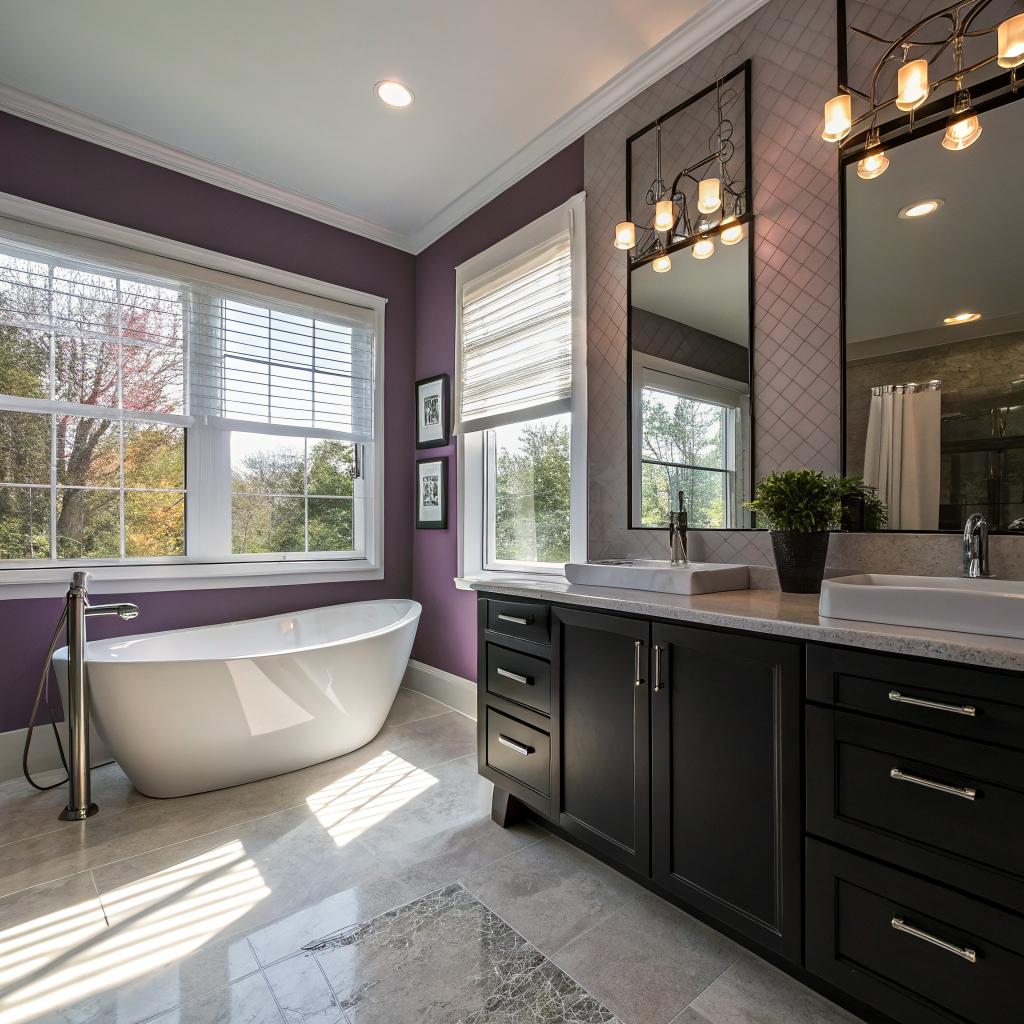
I used to think a smart bathroom was just a fancy mirror and an overpriced shower head. Then a friend in Lexington showed me his remodeled bath that literally warmed the floor, played Spotify, and auto-vented before the mirror even fogged up.
If you want a smart bathroom in Lexington that actually makes daily life better, start with the basics: plan your layout, decide what you truly use every day (lighting, water, heating, sound), pick smart devices that talk to each other, and work with a local pro who understands both plumbing and tech. If you are already looking into bathroom remodeling Lexington KY, you are in a good spot to wire for smart controls, sensors, and devices while the walls are open, instead of trying to patch things in later.
Smart bathroom remodeling works best when you treat tech as part of the structure, not as a late add-on.
You do not have to turn your bathroom into a spaceship. In fact, that is where many people go wrong. The goal is a room that feels normal, but quietly handles light, temperature, and comfort in the background.
Why a smart bathroom makes sense in Lexington
The climate in Lexington means cold mornings, humid summers, and pollen season that never seems to end. You feel all of that in your bathroom first thing in the morning.
A smart bathroom can help with three very simple things:
- Comfort on cold or hot days
- Humidity and air quality control
- Water and energy use tracking
Think about a January morning. Tile feels freezing, the fan is loud, and the mirror fogs up right when you are already late. With the right setup, your floor can preheat on a schedule, the fan can run at a lower speed but automatically kick higher when humidity spikes, and the mirror can stay clear without you even thinking about it.
You do not need every smart gadget on the market. The trick is picking a few upgrades that fit how you live and how old your house is.
Planning a smart bathroom remodel like a tech project
If you are into tech, you know that messy planning leads to messy systems. A bathroom remodel is similar.
Step 1: Decide what problems you want to solve
Before you think about brands or apps, ask yourself a few blunt questions:
- What actually annoys you about your bathroom now?
- When are you in the bathroom most, and for how long?
- Do you like voice commands, or do you prefer physical switches?
- Are you okay with phone apps for controls, or does that sound tiring?
Some common pain points in Lexington homes:
- Cold floors in older homes with tile
- Poor ventilation in bathrooms with no exterior window
- Outdated lighting that makes shaving or makeup hard
- No outlets in the right spots for electric toothbrushes or hair tools
- Weak water pressure or old fixtures that waste water
Your answers should drive your tech choices. Not the other way around.
If you pick gadgets first and try to fit them into your life later, you usually end up with clutter and apps you stop using.
Step 2: Pick a smart home platform and stick to it
This is where a lot of people overcomplicate things.
Most Lexington homeowners are choosing one of these routes:
- Alexa based
- Google Home based
- Apple Home based
- A hub that supports Matter and works with multiple platforms
You do not need to obsess over small differences, but try to answer:
- What do you already use in the rest of your house?
- Do you plan to expand smart devices beyond the bathroom later?
If most of your current gear runs through one system already, stay with it. Bathrooms are not the place to experiment with five different apps and logins.
Step 3: Plan wiring and power like a network map
Smart bathrooms are still bathrooms. Water, power, and safety codes all matter.
Talk with your contractor or electrician about:
- Dedicated circuits for heated floors or smart bidet seats
- Extra GFCI outlets near the vanity and storage areas
- Low voltage wiring for smart mirrors, sensors, and lighting strips
- Wi-Fi coverage so devices stay stable behind tile and walls
If your house is older, your panel may need an upgrade. That is not fun, but it is better than tripping breakers every time you run the shower and heat the floor.
Core smart features that actually matter in a bathroom
Not every feature adds real value. Below are the ones that normally make a difference in Lexington homes.
Smart lighting that feels natural, not like a showroom
Lighting is usually the cheapest smart upgrade with the biggest daily impact.
Here is what works well:
- Smart dimmers for ceiling lights so you can go from bright morning light to low night light
- LED mirrors with tunable white light, so you can shift from warm to cool tone
- Motion based toe kick or under vanity lighting as a soft night path
- Scenes that match times of day, like “Morning” or “Wind down”
One trick I like is setting up a late night scene with very low, warm light coming only from under the vanity. At 2 a.m., that feels much better than a full blast ceiling light.
Heating and cooling comforts
Lexington winters are not brutal, but they are cold enough that tile at 6 a.m. is rough.
Consider:
- Radiant heated floors with programmable or smart thermostats
- Smart towel warmers on timers or occupancy sensors
- Smart vents tied to your HVAC if the bathroom is always colder or hotter than the rest of the house
With floors, the smart part is the schedule. For example, heat from 5:30 to 7:30 on weekdays, then off. No need to run it all day.
Smart ventilation and air quality
A lot of Lexington homes have bathrooms that barely vent, especially in older buildings or over basements.
A smart fan with humidity and motion sensing can:
- Turn on automatically when humidity jumps during a shower
- Stay on just long enough to clear moisture without wasting power
- Run quietly at a low speed most of the time
You can go a bit further:
- Air quality sensors that monitor VOCs and trigger extra venting when needed
- Automations that turn off the fan after a set time to protect your fan motor
A good smart fan is less about phone controls and more about the system making its own decisions based on humidity.
Water, showers, and smart fixtures
This is where tech can get silly, but there are a few upgrades that are actually worth it.
Smart shower systems can:
- Preheat water to a set temperature
- Save preferred presets for different people in your home
- Track water usage so you can see patterns over time
Some people love full digital controls with screens. Others prefer classic knobs with a hidden thermostatic valve that keeps temperature steady. Be honest about your tolerance for digital stuff in a wet space.
Smart faucets are a mixed bag. Motion control can be nice for hygiene, and some models track water. On the flip side, more things can fail, and battery replacements get old.
If you care about water use, focus on:
- Quality low flow fixtures that still feel strong
- Thermostatic valves that avoid temperature swings
- Leak sensors under sinks and near toilets tied to your hub
Toilets, bidet seats, and privacy
Smart toilets and bidet seats range from simple heated seats to very elaborate integrated units.
Real gains:
- Heated seat and warm water in winter
- Soft night light built into the bowl
- Self cleaning functions that cut down on scrubbing
Think about privacy and power:
- Some units store presets in the seat, not the cloud, which many people prefer
- Make sure a GFCI outlet is near the toilet if you are adding a powered seat
If this feels like too much, a standard toilet with a separate, simple bidet seat can be a good compromise.
Smart mirrors and audio
Smart mirrors are probably the product that divides people the most. Some are just LED mirrors with dimming. Others show the weather, play video, and connect to your calendar.
Ask yourself:
- Do you really want to look at notifications while brushing teeth, or is that one of the last quiet spots in your day?
- Would a simple LED mirror with good lighting do 90 percent of what you need?
For sound, in-ceiling speakers or a smart speaker that can handle humidity can make a bigger difference than you might expect. Podcasts while getting ready, white noise while soaking in the tub, that kind of thing.
Smart tech vs. moisture, power, and safety
Bathrooms are harsh on electronics. Humidity, sudden temperature swings, and cleaning products all shorten device life.
Picking hardware that can survive a Lexington bathroom
When you look at devices, check:
- Ingress ratings where possible, such as IPX4 or better for splash zones
- Warranty length and service options
- Whether parts are easy to replace without tearing up tile
Try to keep hubs, power supplies, and low voltage gear in drier zones of the room, or even just outside the bathroom in a closet.
Power and code in Kentucky homes
If your house is older, you might run into:
- Two wire circuits without ground
- Not enough capacity on your existing panel for heated floors and new lighting
- Non GFCI outlets in wet areas
This is where a licensed electrician and a qualified contractor matter more than the gadget itself. If someone tells you “we can just tie it in, no problem” without checking the panel or codes, that is a red flag.
Cost, value, and what to budget for in Lexington
Prices shift, but you can at least get a rough shape of costs. Smart bathrooms are not cheap, but not every part has to be high end.
Here is a simple example table. Numbers are rough ranges for the Lexington area and can swing a lot by design choice and house condition.
| Feature | Budget range (parts + labor) | Notes |
|---|---|---|
| Smart lighting (dimmers, bulbs, scenes) | $300 – $1,000 | Lower end if you reuse existing fixtures |
| Heated floor with smart thermostat | $1,500 – $3,500 | Depends on square footage and tile choice |
| Smart ventilation fan | $400 – $900 | Higher if ductwork upgrade is needed |
| Smart shower valve and controls | $1,000 – $3,000 | Does not include tile or structural changes |
| Bidet seat with power | $500 – $1,200 | Outlet install adds to cost |
| Smart mirror with lighting | $400 – $1,200 | Basic LED on the low side |
| Speakers and audio controls | $300 – $1,000 | Depends on in ceiling vs standalone |
The more invasive work usually comes from:
- Moving plumbing lines
- Reframing walls or expanding the footprint
- Upgrading electrical service
Some people assume smart features add massive resale value. That is not always true. Buyers do like updated bathrooms though, and small things like heated floors and good lighting can tip their feelings in your favor.
Working with contractors in Lexington on a smart project
This part is often ignored, but it makes or breaks the project.
Communication between tech and construction
If you are tech savvy, you might know more about smart platforms than your contractor. That does not mean their building instincts are wrong.
You might want to:
- Share a simple diagram of where you want controls, sensors, and outlets
- List the devices you want to install, with links, before rough-in starts
- Ask your contractor what they have seen fail in local homes
Sometimes your idea will not fit code or structure. For example, you might want a large niche or in wall device where there is a key support. Be open to changing plans based on what the studs and joists allow.
Common mistakes with smart bathroom remodels
Here are patterns that tend to cause headaches:
- Too many apps and not enough physical controls
- No manual override when Wi-Fi fails
- Forgetting about service access to power supplies or valves
- Putting touch screens right in splash zones
- Skipping extra ventilation because the old fan “still works”
If a setup only works when everything is perfect, it will fail you. The goal is a bathroom that stays usable even when your router decides to reboot at 6 a.m.
Practical smart bathroom layouts for Lexington homes
Every house is different, but you can think in terms of three rough tiers.
Tier 1: Light touch smart upgrade
This is for you if you like some tech, but do not want to overhaul your life.
Possible features:
- Smart switches on the main lights and fan
- LED mirror with dimming and color temperature
- Motion based night light under the vanity
- Simple in wall Bluetooth speaker
You get automation like “turn on lights at 20 percent if it is between midnight and 5 a.m.” without a complex setup.
Tier 2: Comfort focused remodel
Here you are redoing tile, maybe moving some fixtures, and planning for cold and humidity.
Common pieces:
- Heated floor with programmable thermostat
- Smart moisture sensing fan wired to a wall control
- Leak sensors tied to your main home hub
- Thermostatic shower controls with stable temperature
- Bidet seat and upgraded outlets
This tier gives you a big step up in daily comfort without going full sci fi.
Tier 3: Highly connected bathroom
Here you lean hard into tech and do not mind some extra complexity.
Possible setup:
- Full digital shower system with presets
- Smart mirror with stats, weather, and voice controls
- Occupancy sensors that trigger lighting scenes and heat
- Zone based audio with control from your phone or keypad
- Air quality sensors tied into whole home systems
This tier needs more careful planning and a solid long term view. Tech will age out faster than tile or stone, so you want parts that can be swapped without demolition.
Privacy, data, and the quiet side of smart bathrooms
This part often gets brushed off in glossy brochures, but it matters.
How much data do you want to give your bathroom?
Some sensors and systems track things you may not be comfortable sharing, like detailed usage patterns or even presence when you are home.
You might want to:
- Favor local control devices that do not need the cloud for every action
- Turn off voice assistants in the bathroom if that feels strange
- Use hardware mute buttons on smart speakers when possible
- Read the privacy policy for any health or scale devices you place there
You do not need to be paranoid, but you do not have to accept every data tradeoff just to get dimming lights.
Maintenance and updates
Traditional bathrooms age too, but they do not need firmware updates.
Smart features mean:
- Occasional app and firmware updates
- Battery replacements for some sensors
- Network changes if you rename your Wi-Fi or change routers
Ask yourself honestly how much tinkering you are willing to do. Some people enjoy that. Others want to set it once and ignore it.
A good smart bathroom lets you forget that it is smart most of the time; it just behaves the way you expect.
If a company forces constant new accounts, confusing app redesigns, or subscriptions for basic features, that is a sign to look at other brands.
Examples of smart bathroom routines that actually help
To ground this a bit, here are a few daily routines that work well for tech friendly Lexington homeowners.
Morning routine
- Heated floor kicks on at 5:45 a.m. on weekdays
- Soft vanity lights come on at 20 percent if motion is detected between 5:30 and 6
- Mirror light shifts to cooler white at 7 a.m. for better shaving or makeup
- Fan ramps up automatically when humidity jumps during showers
Evening and night
- Lighting scenes switch to warmer tones after 8 p.m.
- Small toe kick lights activate on low brightness for late night trips
- Music or white noise can play quietly while you bathe, then stop at a set time
Safety and away mode
- Leak sensors send a notification if water is detected under the vanity
- Fan shuts off automatically after a set time so it does not run all day
- Heated floors turn off while you are on vacation
None of these are flashy. They just reduce friction in small, steady ways.
Q&A: Common smart bathroom questions
Is a smart bathroom worth the cost, or is it mostly hype?
Some of it is hype. Light strips that change color to music in your shower will probably get old fast. On the other hand, things like heated floors, good lighting, and quiet automatic fans stay useful every day for years.
If your budget is tight, focus on those basics first, then think about extras later.
Will smart devices in the bathroom keep working for 10 or 15 years?
Probably not all of them. Tile and plumbing can last that long if installed well. Electronics and software age quicker. That is one reason to favor hardware that can be swapped without cutting into walls.
Think of the smart layer more like a phone or router: you may replace certain parts every 5 to 8 years.
Do I need Wi-Fi in the bathroom for this to work?
You need decent signal nearby for initial setup and updates, and for anything that uses voice assistants or cloud automations. Simple motion sensing lights and humidity based fans can still work fine without constant connectivity, as long as they are wired for local control.
If your signal is poor, a discreet access point in a nearby hallway can fix that.
Can I DIY a smart bathroom remodel?
You can install some surface level gear yourself, like smart switches, shower heads, speakers, and mirrors, if you are comfortable with wiring and follow Kentucky codes.
For structural work, plumbing changes, or anything in wet zones, working with an experienced contractor and licensed trades is the safer route. Water damage is much more expensive than paying pros up front.
What is one small smart upgrade you would not skip?
If I had to pick only one smartish upgrade for a Lexington bathroom remodel, it would probably be a quiet humidity sensing fan paired with a physical wall control and a simple scheduled routine. It touches comfort, health, and energy use at the same time, and nobody in the house needs a lesson to use it.