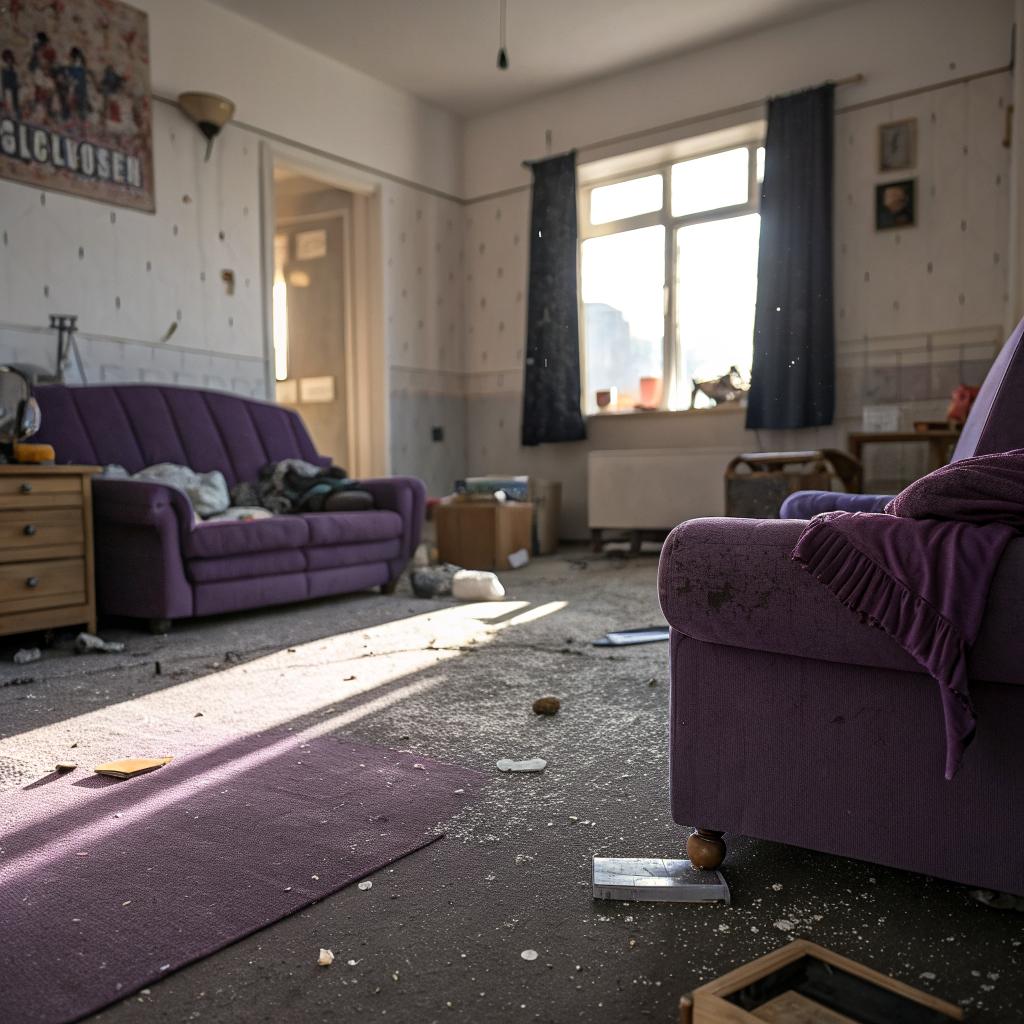
I used to think move out cleaning was just a few hours with a vacuum, some wipes, and maybe a podcast in the background. Then I moved out of a two bedroom place with white walls, two cats, and a landlord who inspected like he was running QA on a new chip design.
If you just want the short answer: if you care about your time, your deposit, and your sanity, booking professional move out cleaning services Spokane is usually the smarter play, especially if you work in tech or have a packed schedule. You still need to prep a bit, do a quick walkthrough, and communicate your priorities, but you do not have to scrub baseboards at midnight before a move.
Why tech people keep underestimating move out cleaning
There is a weird pattern I keep seeing with tech friends who move.
They over plan the truck, the packing system, the ISP transfer, the smart home devices. They build spreadsheets. They label cables. They have a GitHub repo for the new home networking layout.
Then the night before key handover, they are on the floor with a bucket of dirty water, scrubbing a mystery stain behind the fridge.
The reason is simple: cleaning feels “easy” in theory, so it gets pushed to the end. In practice, move out cleaning is more like a full day bug fix sprint on legacy code you did not write.
Move out cleaning is not regular cleaning. It is the deep, slightly painful version that exposes every shortcut you have taken in the last few years.
For a tech focused person, the real question is not “Can I clean this myself?” You probably can. The better question is “Is this really the best use of my energy, right when I am context switching my whole life to a new place?”
What move out cleaning actually covers (beyond the obvious)
If you are trying to decide between DIY and hiring someone, you need a clear idea of what “move out clean” means in Spokane. It is usually more strict than a normal tidy up.
Typical scope of a move out clean
Here is what a serious move out clean tends to include, even if some of this never makes it into the rental ad.
- Deep kitchen work: inside and outside of all cabinets, drawers, fridge, oven, microwave, and under the stove where old crumbs go to retire.
- Bathrooms: scrubbing all fixtures, grout, glass, faucets, and usually getting rid of hard water marks that you stopped seeing months ago.
- Dusting: light fixtures, blinds, vents, fan blades, window sills, baseboards, and any ledge that seems too high for normal humans.
- Floors: vacuuming and mopping, sometimes more than once if movers tracked dirt in.
- Spot work: doors, door frames, light switches, outlet covers, and random smudges on walls that landlords love to notice.
- Windows: interior glass and tracks, plus sliding door tracks that collect an odd mix of gravel, hair, and crumbs.
For a 1 or 2 bedroom place, that is several hours of focused work, even if you are not lazy and you already clean sometimes.
If you are moving out after years in the same place, the time jumps. Old grease, hard water, and dust build up slowly and then suddenly they are everywhere once the furniture is gone.
DIY vs pro cleaning for your move: a tech style comparison
I find it easier to think about this like a build vs buy decision for software. Both can work. The tradeoffs are different.
Time, money, and mental load
Here is a simple table to make the comparison less vague. These are not exact numbers, just realistic ranges for Spokane right now.
| Factor | DIY cleaning | Pro move out service |
|---|---|---|
| Direct cost | 40 – 120 dollars for supplies if you need to restock | 200 – 450 dollars depending on size and condition |
| Your time | 6 – 14 hours of physical work | 1 – 2 hours for scheduling and walkthrough |
| Deposit risk | Higher, since standards vary by landlord | Lower, if they are used to local property managers |
| Stress level | High, because it usually happens last minute | Medium, you still need to coordinate keys and timing |
| Physical effort | You scrub everything yourself | Cleaning crew handles the heavy work |
If your job pays well, or you are deep in a product launch, or you are moving for a new role and already juggling interviews and onboarding, those 8 to 12 hours of cleaning are not just “free time.”
If you track your hours for work, it is slightly odd not to value your time the same way for a move.
Of course, some people still prefer DIY because they are particular about how things are cleaned, or they feel weird about someone else touching their old kitchen. That is fair too. There is no single right answer.
How tech people can approach move out cleaning more logically
If you work in tech, you are used to planning, estimating, and breaking down work. For some reason, that mindset drops away when moving.
You can bring the same structure to this and save yourself a lot of pain.
1. Start with requirements, not vibes
Look at your lease and any move out checklist the landlord or property manager sent. They often spell out what “broom clean” or “professionally cleaned” means to them.
Then, think about your actual situation:
- How long have you lived there?
- Do you have pets or kids?
- Do you cook a lot at home? Especially oily food?
- Are there smokers, heavy coffee drinkers, or hobby projects that created dust or smells?
These small details change how hard the cleaning will be.
A lightly used apartment with minimal cooking is very different from a place where you hosted game nights every week and deep fried tempura twice a month.
2. Estimate effort like you would estimate a sprint
Walk through the empty or nearly empty place and give each area a rough time estimate.
For example:
- Kitchen: 3 to 5 hours
- Each bathroom: 1.5 to 3 hours
- Living room and hall: 1 to 2 hours
- Each bedroom: 1 to 1.5 hours
- Extras like windows, blinds, and baseboards: 2+ hours
Multiply by the number of people who will actually clean, not the number who promise to “help.” Almost every move I have seen starts with too much optimism about help from friends who suddenly have conflicts.
How to choose a move out cleaning service in Spokane
If you decide to book a service, the next problem is picking one. Spokane has a growing number of cleaning companies, plus independent cleaners.
You do not need some perfect algorithm here, but a little structure helps.
Check for these basics
Here are a few points that matter more than the marketing copy.
- They offer dedicated move out cleaning
Not every cleaner goes as deep as a move out needs. You want a company that lists move out or move in cleaning separately from regular maintenance cleaning. - Transparent pricing and scope
Look for a clear list of what is included and what counts as an extra. Inside oven? Inside fridge? Blinds? Windows? Wall spot cleaning? You do not want surprises on the day. - Supplies and equipment included
A good service brings their own products, vacuums, and tools. That way you are not running to the store for oven cleaner after you already moved your carload across town. - Comfort with landlords and property managers
Companies who work often with local property managers know what tends to get flagged on inspection in Spokane, which can cover blind spots you might miss. - Online reviews that talk about move out jobs
General 5 star ratings are nice, but you want reviews that mention deposits returned, move out inspections passed, or last minute bookings that went well.
Try to read the lower star reviews too. Not to avoid them automatically, but to see patterns. Was it miscommunication? Scope issues? Late arrival? You can often prevent those problems by asking clear questions ahead of time.
Questions to ask before you book
Most companies will answer these quickly by phone or email.
- Is your quote flat rate or hourly for move out cleaning?
- What exactly is included, and what is not?
- Do you clean inside appliances by default or only if requested?
- What happens if the place needs more work than expected? Do you ask before adding time or fees?
- Do you have a checklist you use on site?
- Do you need electricity and hot water active?
- What is your cancellation or reschedule policy?
This is not being high maintenance. It just avoids the awkward moment where the cleaners arrive and say “We thought the fridge was empty,” and you are standing there with a half defrosted freezer.
Preparing your place so cleaners can do their job well
This part is often skipped, and it is where tech people can shine. A bit of prep can make the cleaning go faster and better.
Clear the “surface bugs” first
You do not have to pre clean, but you should clear obstacles and obvious trash.
- Remove all personal items, boxes, and bags from the floors and counters.
- Empty the fridge and freezer completely, including sauces and random condiments.
- Take out all garbage and recycling. Do not leave cans full.
- Unplug small appliances and move them if you are taking them.
- Pull furniture away from walls if it is staying, or remove it completely.
Think of it like preparing a clean environment for a build. If the cleaners spend half their time moving your stuff around, they have less time for the details.
Document the before state
Since you probably already photograph everything, this will feel normal.
Walk room by room and capture:
- Existing wall damage or stains that are not from you.
- Scratches on floors.
- Issues with grout, caulking, or fixtures.
- Old appliance damage.
Not just for the landlord. It also helps you communicate with the cleaning crew about what is realistic. For example, old grout that is stained for years will not come back to pure white, no matter how hard someone scrubs.
Cleaning can improve a surface, but it cannot reset age, wear, or cheap materials. Expect progress, not time travel.
What move out cleaners actually do on site
Many people hand over keys and then just hope for the best. If you understand what a good crew does step by step, it is easier to tell if your money is going to the right work.
Typical workflow of a move out cleaning crew
Every company has its own style, but a common flow looks like this:
- Initial walkthrough with you or on their own
They check each room, note problem spots, and confirm what is in scope. - Pre treatment
Degreaser on stove and range hood, cleaner in oven, products on tough bathroom areas. These need time to sit. - High to low dusting
Fans, vents, blinds, light fixtures, top of cabinets. Then window sills, baseboards, and ledges. - Kitchen deep clean
Inside and outside cabinets and drawers, counters, backsplash, sink, appliances, under and around stove if possible. - Bathrooms detail work
Showers, tubs, toilets, sinks, mirrors, chrome, grout, and any glass doors. - Spot cleaning and surfaces
Doors, knobs, switches, outlet covers, obvious marks on walls if agreed. - Floors last
Vacuum, then mop, often room by room so they do not walk back over clean areas. - Final check
Quick pass to catch missed spots, stray streaks, or crumbs.
If you are around, a short final walkthrough with them is useful. Not to nitpick tiny things, but to catch obvious misses while they still have supplies out.
Tech friendly ways to manage scheduling and logistics
This part can get messy if you leave it to the last day. The nice thing is that a lot of it can be handled with simple tools you already use.
Use a basic checklist app
You do not need a fancy project management setup, but a simple shared checklist in something like Google Keep, Notion, or a basic task app helps keep track of:
- Cleaning appointment date and time
- When to switch utilities
- Key pickup and drop off details
- Parking instructions for the cleaners
- Garage or gate codes
- Special notes for tricky areas in the home
If you live with other people, assign real ownership to tasks. “We will figure it out” quietly turns into “No one did it.”
Plan the move and cleaning in a clear order
This is where a lot of people end up in trouble. They pack the truck on Saturday, clean late into the night, hand over keys Sunday morning, and then go to work exhausted on Monday.
A smoother sequence looks like:
- Move 90 percent of your stuff out one day.
- Do a light self clean that night: trash, quick wipe downs, and clear surfaces.
- Have the cleaners come the next morning to deep clean an almost empty place.
- Stop by for a quick final check, return keys, and take photos.
If you can, avoid scheduling cleaners before the movers. Furniture and boxes hide dirt, and movers track soil back in. The most efficient cleaning happens once the place is basically empty.
Tech and cleaning: where smart tools help, and where they do not
People who love gadgets often assume that a robot vacuum or some smart cleaning gadget will solve move out cleaning. It helps a bit, but not as much as you might think.
Tools that actually help for move out prep
If you want to lean on tech, here are a few areas where it makes sense.
- Robot vacuum
Great for the weeks before the move to reduce daily dust and pet hair. But on the actual move out day, you still need manual vacuuming for edges and corners. - Portable steam cleaner
Handy for grout, glass doors, and tough spots around sinks and toilets. Not required, but satisfying if you like gadgets. - Power drill with brush attachments
Can speed up scrubbing for tubs, tiles, and some floors. Just test on a small area first. - Label printer or QR codes
Less about cleaning, more about packing efficiently, which indirectly reduces the chaos while cleaners work.
But you cannot automate away baked on oven grease or shower buildup that was ignored for three years. Someone still has to do the scrubbing.
Where manual work still wins
Move out cleaning has lots of awkward angles and surfaces:
- Behind toilets
- Inside vent covers
- Window tracks
- Top of door frames
These are not robot friendly. They are human hand and brush territory. That is part of why hiring pros can make sense. You are paying for their skill at dealing with all the weird corners you rarely notice.
Common mistakes tech people make when moving out
I have seen a few of these patterns play out with friends who are smart in most other areas of life.
Overfitting your plan to “how you think it should go”
Some people assume “landlord inspections are strict” and over clean to a level no one asked for, scrubbing closet ceilings. Others assume “no one really checks” and barely clean at all.
Reality sits somewhere in between and depends on your specific landlord or property manager.
Try this approach:
Plan for a level of cleaning you would appreciate if you were moving in, then confirm with your lease and any checklist they gave you.
It sounds simple, but it gives you a decent baseline.
Leaving special cases to the last minute
These are the tasks that destroy your schedule.
- Removing old adhesive hooks without taking half the paint with them.
- Cleaning years of dust behind a TV you wall mounted and never moved.
- Defrosting a freezer that was never turned off.
Deal with these earlier in the week. You can run a freezer defrost overnight, wipe it the next morning, and be done. But if you remember at midnight before cleaner arrival, you will hate past you.
How to work with your cleaner like a good engineering partner
If you do book move out cleaning, treating it like a small project with a team helps a lot.
Give a short brief, not a vague “just clean everything”
When they arrive, spend 5 minutes walking through the place and highlighting:
- Any areas of special concern, like heavy stove buildup or a badly stained shower.
- Parts that matter extra for inspection, such as a bathroom that had a previous leak.
- Anything you are not worried about, which lets them focus time where it counts.
Be honest about the condition. If the oven has never been cleaned, say so. They will bring different products and adjust expectations on both sides.
Decide if you want to be on site or remote
Some people like to stay and work on their laptop while cleaners do their job. Others want to leave and get on with setting up the new place.
Either way works, but you should:
- Be reachable by phone if they have questions.
- Leave clear instructions for entry and exit.
- Explain how to lock up and where to place the keys.
If you are remote, ask them to send a few photos at the end, especially of the kitchen and bathrooms. Not to micromanage, just to have quick confirmation before inspection.
What about move in cleaning for your next place?
Most of this post is about moving out, but there is a related topic: move in cleaning. The place you are going to might be “cleaned” in a very loose sense.
Sometimes it is fine. Other times you get there and think: Did someone wipe this with a wet paper towel and walk away?
Quick decision: do you need move in cleaning too?
Ask yourself:
- Is the new place older, with visible wear in the kitchen and bathroom?
- Do you have allergies or asthma that dust or pet dander might trigger?
- Do you have small kids who will crawl on the floor and touch everything?
- Are you moving for a job and starting work right away, with no buffer days?
If most of those are yes, consider at least a one time deep clean in the new place before or right after you move your key items. It is easier to run Ethernet and set up hardware in a dust free office than to fight grime around your new standing desk.
Is professional move out cleaning worth it for you?
This is where the tech mindset both helps and sometimes gets in the way.
You can build your own cost benefit model, but here is a simpler way to think about it.
Ask three questions:
- How much is your time worth in real dollars for the week of your move?
- How strict is your landlord or property manager?
- How physically and mentally drained are you already from packing and life changes?
If your honest answers are something like:
- “My time is worth quite a bit right now.”
- “The landlord is picky.”
- “I am already close to burnout.”
Then paying for move out cleaning in Spokane is not a luxury. It is a way to avoid pushing yourself over the edge in a week that is already loaded.
If instead the answers are:
- “Money is tight after the move.”
- “The landlord seems reasonable.”
- “I have enough free days to spread out the work.”
Then a careful DIY approach with a clear checklist and some targeted tools can work well for you.
Either path can be right. The mistake is not in the choice itself, but in pretending the choice does not matter until the last minute.
Common questions about move out cleaning in Spokane
Q: Can I clean my place myself and still get my full deposit back?
A: Yes, many people do. It depends on your effort, the condition of the space, and how strict your landlord is. Take it seriously, use a detailed checklist, and give yourself more time than you think you need. If you rush, small misses in kitchens and bathrooms are what usually cost part of the deposit.
Q: When should I schedule move out cleaning relative to my move date?
A: Aim for after most of your stuff is out, but before your official move out inspection or key return. Many people book cleaners for the day after the main moving day. If that is not possible, leave at least a few hours buffer before the walkthrough, in case you need a quick touch up.
Q: What if my landlord says “professional cleaning required” in the lease?
A: Then you probably need an invoice from a cleaning service to avoid arguments. Some landlords care more about the evidence of professional work than about each tiny detail. Others care about both. Save the receipt and photos from after the clean so you have something concrete if there is a dispute.
Q: Are move out and regular cleaning the same thing?
A: Not really. Regular cleaning is about maintaining a space you live in, so it skips inside cabinets, behind appliances, and some heavy detail work. Move out cleaning goes into those areas because the next person will see them empty. That is why it costs more and takes longer, even if the place looks “pretty clean” at a glance.
Q: If I work in tech and I am already swamped, is hiring a move out cleaner just lazy?
A: No. It is a tradeoff. You are not outsourcing responsibility, you are delegating a very physical, time consuming task during a week where your brain is already juggling logistics, work, and sometimes a new city or role. You can still do a light pass yourself and let professionals handle the deep, detailed part.