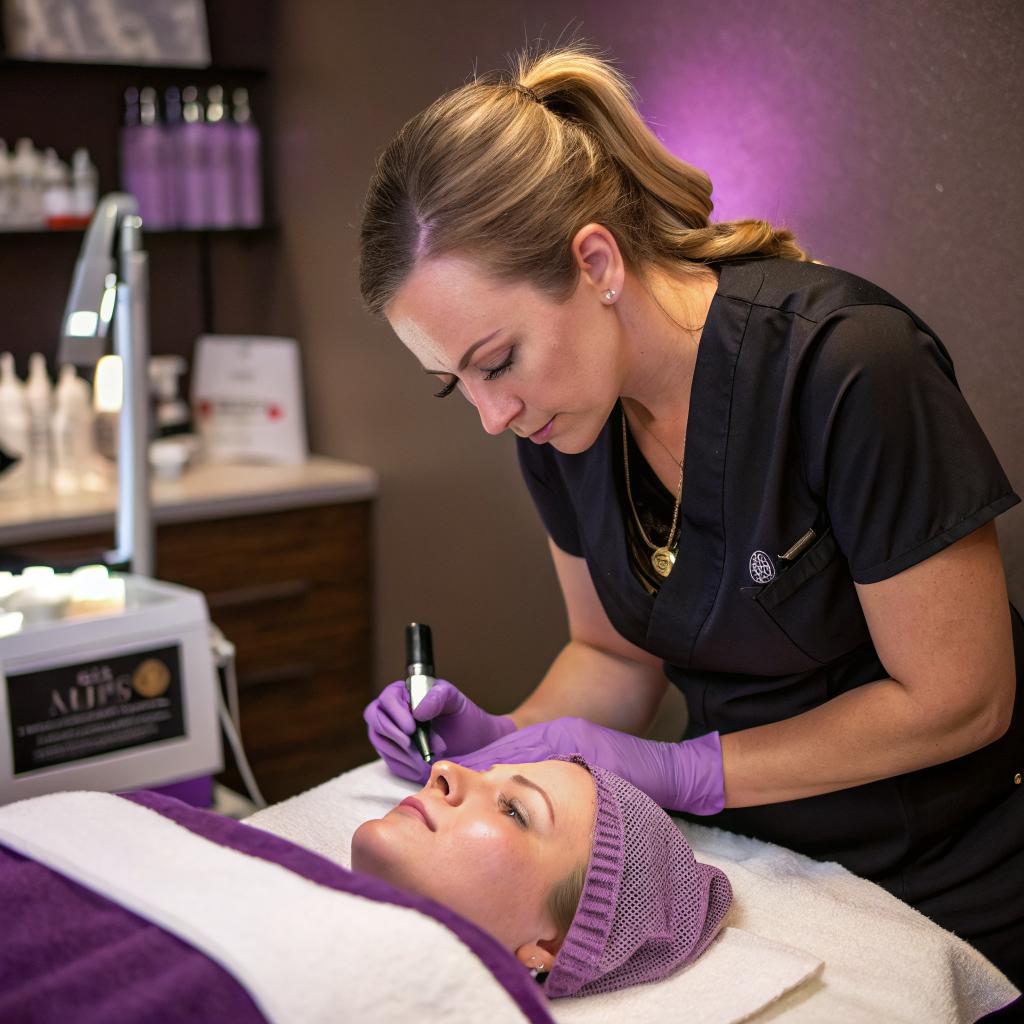
I used to think med spas were just expensive lounges with cucumber water and vague promises. Then I watched a friend use science‑heavy treatments to clear stubborn acne and fine lines faster than any cream on a shelf.
If you want the short version: modern tech at a good Colorado Springs med spa can help boost your skin by using controlled damage, precise energy, and medical‑grade products to trigger real changes in collagen, pigment, and texture that drugstore skin care simply cannot reach on its own.
Why med spa tech hits differently than at‑home skin care
Your bathroom shelf has limits. A serum can only go so deep. A scrub can only exfoliate so much before your skin gets angry.
Med spa devices sit in a different tier. They use things like light, heat, cold, vacuum, and tiny needles to talk directly to the deeper layers of your skin.
Here is the core idea that sits behind most of the tech you will see:
Med spa devices give controlled stress to the skin so your body can repair stronger, smoother, and more even than before.
That sounds a bit intense, but it is not random. Everything is measured.
At a basic level, these treatments tend to do one or more of these:
- Trigger collagen and elastin so skin looks firmer over time
- Break down or lift excess pigment for more even tone
- Clear clogged pores and oil to reduce breakouts
- Polish or resurface the top layer for smoother texture
- Help products sink in deeper so they actually work better
If you like gadgets, the tech side is actually fun to understand. It starts to feel less like “beauty” and more like applied physics and biology.
Laser and light devices: focused energy for real skin changes
Lasers and light devices are usually the most “sci‑fi” tools in a med spa. They do not all work the same way, though, and that can be confusing.
How laser tech talks to your skin
Lasers send a specific wavelength of light into the skin. That light is attracted to a target, often:
- Water inside tissue
- Melanin in pigment or hair
- Hemoglobin in blood vessels
The target absorbs the energy, heats up for a tiny fraction of a second, and then your body responds. That can mean:
- Breaking pigment into smaller pieces so your body can clear it
- Sealing small veins
- Creating controlled tiny injuries that push collagen growth
Non‑ablative lasers heat under the surface without removing skin. Ablative lasers lightly remove the top layer. Both have a place, but the second one usually needs more recovery.
Here is a simple comparison to keep things straight:
| Type | Main goal | Typical recovery | Good for |
|---|---|---|---|
| Non‑ablative laser | Heat deeper layers, build collagen | Redness 1 to 3 days | Mild wrinkles, early sun damage |
| Ablative laser | Remove surface, strong rebuild | Peeling 5 to 10 days or more | Deeper wrinkles, scars, heavy sun damage |
| IPL / BBL (broadband light) | Target pigment and redness | Mild darkening, flaking 3 to 7 days | Sun spots, broken capillaries, redness |
You do not need to remember the names. It is more useful to know which problem you want to fix.
Where light devices help most
In Colorado Springs, high altitude and sun exposure are rough on skin. So med spas often use:
- IPL or BBL sessions for brown spots and redness from the sun
- Non‑ablative lasers for light wrinkles and dull texture
- Occasional ablative work for scars or deeper age lines
The tech side is interesting, but the key question for you is simple: what do you actually see in the mirror after a series of sessions?
Common outcomes are:
Light devices tend to make freckles, sun spots, and redness fade over a few weeks, while skin looks a bit smoother and firmer over a few months.
It is not a filter. You still look like you, just slightly more rested and less blotchy.
Microneedling and RF: controlled damage that rebuilds your skin
Microneedling looks intense if you only see photos online, but the logic is quite simple.
Fine needles create tiny channels in the skin. Your body reads those channels as an injury and sends growth factors and collagen to fix them.
Standard microneedling
With normal microneedling, a device uses needles to go to a set depth. That depth depends on the concern:
- Shallow for glow and light texture
- Deeper for scars and stretch marks
These channels close quickly, but in that short window, products can reach deeper. That is why some med spas pair microneedling with serums rich in things like peptides.
Common results people notice:
- Smoother texture over a few weeks
- Softening of acne scars or small lines
- More even tone and a bit more “bounce” in the skin
It does not work overnight. Collagen takes time. Think in terms of months, not days.
RF microneedling
RF stands for radiofrequency. This version adds heat through the needles. So now you have:
- Mechanical injury from the needles
- Thermal injury from radiofrequency heat
Together, they push a stronger collagen response.
Compared with standard microneedling, RF can:
- Tighten mild laxity more
- Soften deeper wrinkles better
- Improve acne scars in fewer sessions for some people
The tech side here is interesting if you like gadgets. Radiofrequency creates resistance in tissue, which creates heat. That heat contracts collagen in the short term and helps rebuild it over time.
Again, this is controlled stress, not random damage.
Injectables: the technical side of smoother and fuller skin
Injectables often get labeled as “just cosmetic” but they are still medical procedures with clear mechanisms.
Botulinum toxin (like Botox) for movement lines
Wrinkles from repeated expression are a mechanical problem. Think frowning, squinting, raising eyebrows.
Botulinum toxin type A works by blocking the signal from nerve to muscle in a very targeted way. When the muscle moves less, the skin above it folds less.
So over a few days to 2 weeks:
- Lines between the brows soften
- Forehead looks smoother
- Crow’s feet can fade
Here is what often surprises people:
With well placed Botox, you still move your face, just with less scrunching in the spots that create deep creases.
The more technical part is dosing and placement. A skilled injector maps:
- Muscle strength on each side of your face
- Your natural expression patterns
- Where you want to keep some movement
It really is more like fine tuning a system than hitting an “off” switch.
Fillers for volume and structure
Hyaluronic acid fillers work differently. They sit under the skin to replace lost volume or adjust shape.
These gels attract water and hold it, which adds subtle lift. But they are not just “face plumpers”. They can:
- Lift cheeks slightly to soften deep folds
- Subtly define a jawline
- Fill shadows under the eyes
In lips, small amounts can:
- Define the border
- Increase height or volume
- Adjust symmetry from one side to the other
The tech detail that matters is rheology, which in practice just means how the filler flows and how firm it is. Thicker products work better for structure. Softer ones work better in motion areas like lips.
A good injector chooses the right filler for the right layer of tissue. That is what separates a natural look from a swollen one.
Medical grade facials that go beyond a simple spa treatment
A lot of people hear “facial” and picture a light massage with nice smells. Med spa facials may be relaxing, but they also lean on tools and stronger products.
Hydradermabrasion and vacuum‑based facials
Hydradermabrasion combines several actions in one device:
- Gentle exfoliation of the top layer
- Acid solutions to melt dead cells and oil
- Vacuum suction to clear pores
- Infusion of hydrating or brightening serums
Think of it as a smart car wash for your face. Not poetic, but fairly accurate.
Most people notice:
- Smoother skin right away
- Clean looking pores
- Better glow for about a week or two
Not everyone loves strong exfoliation though. If you have reactive skin, a good esthetician will dial it down or tweak the fluids.
Chemical peels
Peels sound scary, but many of them today are light and controlled.
Common acids include:
- Glycolic acid for general brightening and fine lines
- Lactic acid for mild exfoliation and hydration
- Salicylic acid for acne and clogged pores
How deep a peel goes depends on:
- Which acid or blend is used
- Its strength
- How long it sits on your skin
In a tech‑minded way, peels are chemical programs. You apply a set of instructions, the acids act for a controlled time, then the system (your skin) responds by shedding and rebuilding.
Common goals:
- Fade light discoloration
- Smooth rough patches
- Reduce mild breakouts
Targeted acne tech for stubborn breakouts
Acne is very common in dry, sunny, altitude heavy places. The mix of oil, dead cells, and sometimes heavy sunscreen builds up.
A good med spa often uses several tools together against acne instead of just one.
Blue and red light therapy
Blue light targets acne bacteria. Red light can help calm inflammation and sometimes help healing.
These lights do not burn the skin. They sit in specific wavelength ranges that:
- Stress acne bacteria so they die off
- Signal skin cells to lower inflammation
They are not a full solution alone, but they help if breakouts flare often.
Acne clearing facials and extractions
Manual extractions are low tech but very effective when done cleanly. Clearing out clogged pores safely:
- Prevents some future breakouts in that spot
- Reduces the risk of picking and scarring
Paired with salicylic acid peels or hydradermabrasion, this can change the surface of acne prone skin over a few months.
Here is a useful way to think about it:
Acne treatments at a med spa try to change your skin’s daily behavior, not just calm a single pimple.
So the focus is often on oil flow, cell turnover, and bacteria levels over time.
LED masks and at‑home tech: supporting, not replacing, med spa work
There is a growing wave of home devices. LED masks, microcurrent tools, at‑home microneedling rollers, radiofrequency gadgets.
Some of them do have real science behind them, but their power is usually much lower than what you see in a med spa. That is on purpose for safety.
You can think of them like this:
| Device type | At‑home version | Med spa version |
|---|---|---|
| LED light | Lower intensity, more frequent sessions | Higher intensity, shorter series |
| Microcurrent | Mild toning, regular use needed | Stronger lifts, usually in a package of treatments |
| RF / Microneedling | Very limited or not recommended with needles | Medical grade, deeper layers reached |
If you like gadgets, a mix can work well:
- Use med spa tech for the heavy lifts: scars, deep lines, strong pigment
- Use safe home tools to keep skin calm and healthy between visits
Just be honest with yourself. A hand held device from an ad will not replace a fractional laser or RF microneedling, no matter how glowing the reviews sound.
Why tech is only half the story in a med spa
This part is not as fun as talking about lasers, but it matters more.
The same device in different hands can give very different outcomes.
Here are the real levers that change your results:
- How your skin type is assessed before anything starts
- The exact settings picked for your tone, thickness, and concerns
- How treatments are spaced over weeks or months
- Your at‑home routine supporting or fighting the treatments
People interested in tech sometimes focus heavily on the machine. I do that too. But skin is a living system. It has its own quirks and delays.
There is also a tradeoff question: do you want maximum power with more downtime, or slower progress with lighter steps and less disruption to daily life?
No device can make that call for you.
Choosing where to go: questions you can ask
Instead of trusting pretty photos, you can ask direct questions like:
- What devices do you use for pigment, and why those?
- How do you adjust treatments for different skin tones?
- What is the usual recovery like for the plan you suggest?
- How many sessions do people usually need for something like my skin?
- What should I change in my at‑home routine to match this plan?
You do not have to be an expert. You just want to see if the answers sound specific, not vague.
Making tech work for Colorado Springs skin in particular
Local climate matters more than people expect.
Colorado Springs has:
- High altitude
- Intense UV exposure
- Low humidity much of the year
That combination tends to mean:
- More fine lines from dryness
- More sun spots and redness over time
- Sensitive, flaky skin for some people in winter
So med spa plans often focus on:
- Regular hydration focused facials to balance dryness
- Consistent sunscreen routines, not just summer only
- Light, repeated pigment treatments instead of one strong blast
You might notice something a bit contradictory here. A lot of the tech we talked about stresses the skin on purpose, yet the climate is already harsh. That is why pacing and aftercare matter.
Practical ways to help your results last
You can do a few simple things that do not require a gadget wall in your bathroom:
- Daily mineral or chemical sunscreen, even on cloudy days
- Basic moisturizer morning and evening that your provider approves
- Gentle cleanser that does not strip your skin
- Not stacking too many actives without guidance
Sometimes the temptation is strong to add more: more acids, more retinoids, more scrubs. That often just extends redness and irritation after med spa work.
There is a nice, quiet logic to letting the tech do the heavy lifting, and your at‑home care just keep things stable.
What realistic “boosted” skin looks like
Marketing loves dramatic before and after photos. They happen, but they are not the only valid outcome.
For many people, tech driven treatments give quieter changes like:
- Makeup sitting better and creasing less
- Needing less concealer for spots or redness
- Fewer angry breakouts around the same time of month
- Friends asking if you slept more or changed your routine
That “you look rested” comment gets made a lot after Botox or combined facial and laser plans.
If you enjoy tracking progress, you can even take your own photos at home:
- Same time of day
- Same lighting
- No makeup
Every 4 to 6 weeks, compare. The subtle shifts often show up more clearly that way.
Common questions about med spa tech and skin
Is med spa tech safe for darker skin tones?
Short answer: yes, but with more care and sometimes different tools.
Some older lasers and strong peels raised the risk of post‑inflammatory hyperpigmentation in deeper tones. Many modern devices have settings and wavelengths that are friendlier to melanin rich skin.
Key points if your skin tone is medium to deep:
- Ask directly which devices are safe for your skin type
- Start with conservative settings and build up
- Expect more focus on gentle peels, RF, and specific lasers, not all lasers
If a provider brushes off these concerns, that is a red flag.
How long do results from tech based treatments last?
It depends on the treatment and how you live between sessions.
As a rough guide:
- Botox type injectables: usually 3 to 4 months
- Fillers: 6 to 18 months, depending on product and area
- Laser and RF collagen building: improvements can last a year or more, but aging and sun keep going
- Hydradermabrasion facials: glow for 1 to 3 weeks
Think in terms of maintenance instead of one time fixes. That might sound annoying, but skin is living tissue. It is always responding to sun, stress, sleep, and hormones.
Can tech replace a good skin care routine?
Not really.
You can do a strong laser or RF series, but if you skip sunscreen and use harsh products daily, you are fighting your own progress.
Tech can push your skin into a better state. Your routine holds it there longer.
Is it worth the cost if I am more “tech fan” than “beauty fan”?
This is a personal question, and people often overestimate what one device will do.
If you enjoy measurable improvements, you might like treatments where results are more obvious:
- Series for acne where breakout count drops clearly
- Laser sessions that fade clear dark spots
- Microneedling series where you can see scar depth change
If your goal is just a pleasant hour to relax, a regular spa is fine.
If your goal is to treat a specific, repeated issue in your skin using tools that run on energy, dosing, and protocols, med spa tech makes more sense.
The real question to ask yourself is simple:
What single thing about my skin bothers me most, and am I willing to treat it like a project over a few months instead of hoping for a one day fix?
If your answer is yes, then the blend of physics, biology, and design inside med spa tech can actually be satisfying, not just cosmetic.