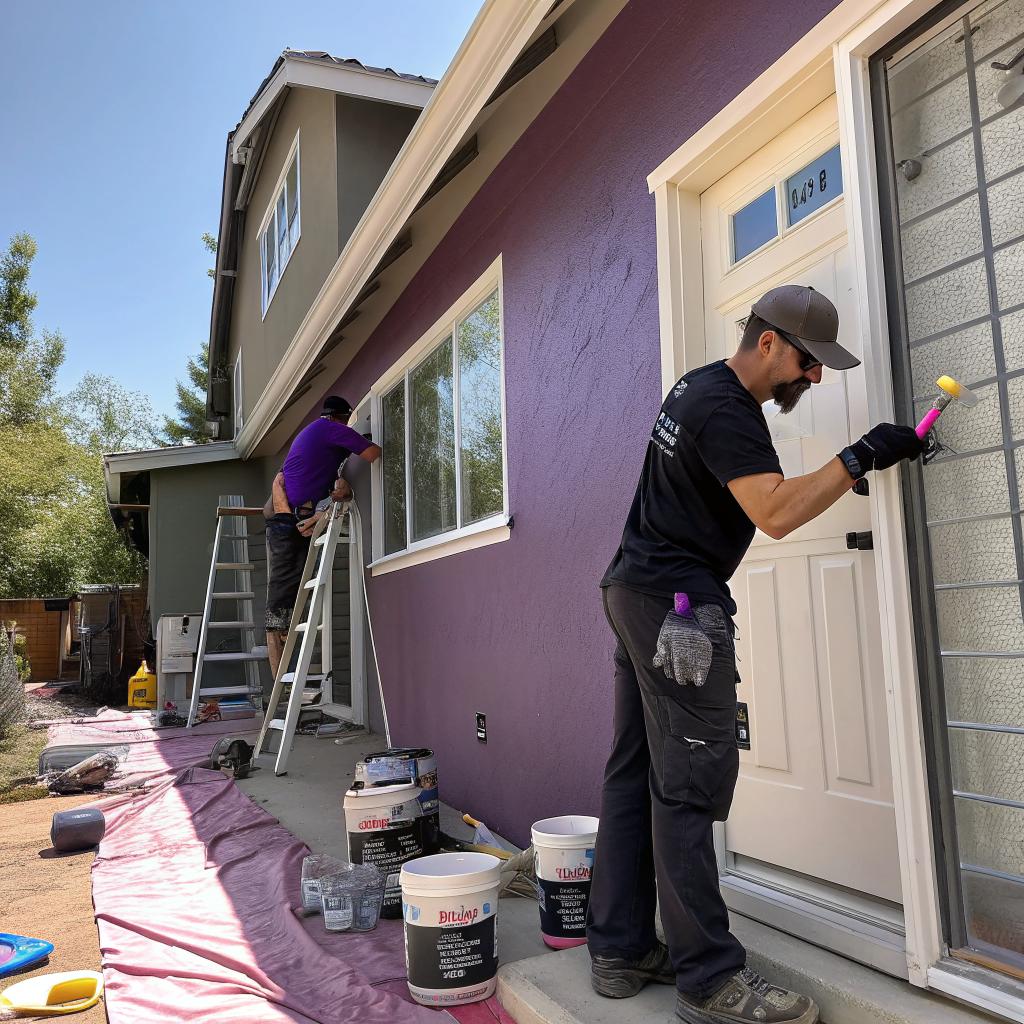
I used to think painting a house was as simple as picking a color and rolling it on the wall. Then I watched a crew of tech savvy painting contractors work on a Colorado Springs home, and it felt closer to a mini engineering project than a weekend DIY.
If you just want the short answer: tech savvy painting contractors Colorado Springs use tools like digital color matching, moisture meters, surface scanning, project management apps, and even VR previews to plan and execute paint jobs that last longer, look cleaner, and fit your style better than the old “show you a fan deck and guess” method. They mix solid craftsmanship with tech, which means fewer surprises, fewer mistakes, and a home that actually looks like the render you saw on the screen, not a rough approximation.
And yes, the tech side really matters, especially in a place like Colorado Springs. The sun is harsh, the weather swings are big, and a coat of paint is not just cosmetic. It is part of how the building survives. The more a painter understands data, tools, and planning software, the more they can protect your home instead of just covering it.
If you want a concrete example: look at some of the better painting contractors Colorado Springs has right now. Many of them use color visualization apps, online quoting tools, drones for high exteriors, and clear digital documentation. That shift from “guy with a ladder and a brush” to “small tech-enabled service team” is what I want to unpack here.
How tech touches almost every step of a modern paint job
Traditional painting feels simple on the surface: scrape, prime, paint. In practice, that is where a lot of failures start. Tech focused painters treat your home more like a small system with variables to measure.
Here is where tech often shows up:
- During the estimate
- During surface prep and inspection
- During color selection and design choices
- During scheduling and project tracking
- During the actual application of paint
- During follow-up and maintenance planning
A tech savvy painter is not just putting paint on; they are collecting and acting on data about your walls, your climate, and your schedule.
You might not care what moisture content your siding has. You probably care if the new exterior paint peels in a year. That is the connection.
Let me walk through what that looks like in real homes, without pretending every contractor uses every tool perfectly. Because they do not. Some are still catching up.
Smart estimating: from tape measure to digital scan
Old way: a contractor walks around with a tape measure, eyeballs a few things, writes a number on a carbon copy form, and gives you a rough start date.
Newer way: they might still walk around, but now they often layer in tech.
Digital measuring tools and photo capture
Many Colorado Springs painters use apps or software that can:
- Scan room dimensions with a phone or tablet
- Generate a quick floor plan or surface area estimate
- Attach photos of every wall, trim detail, and problem spot
This sounds a bit overkill, but it does a few things that you feel later:
Better measurements lead to more accurate material estimates, clearer quotes, and fewer “we need to charge extra” surprises mid-project.
For tech minded readers, this is just basic input quality. Garbage in, garbage out. Good measurement data beats guesswork every time.
Online quotes and job tracking
Some Colorado Springs painting companies now offer:
- Initial online quote forms with photo uploads
- Virtual walk-throughs over video for rough estimating
- Digital proposals with line items you can approve or reject
Is it perfect? No. Photos can hide rough surfaces or old repairs. But as a screening step, it saves everyone time and makes it easier to compare offers.
For people used to managing projects in JIRA or Trello, seeing a painting crew still working out of a crumpled notebook can feel odd. The better ones track:
- Start and end dates
- Color codes per room
- Patch and repair notes
- Change requests
All in shared apps that the team actually looks at. That is basic project hygiene, and it spills into the quality of the finished work.
Color decisions: from fan deck guessing to digital previews
Picking color is where many homeowners stall. White is not just white. It reflects light differently at altitude, and snow glare in Colorado Springs can shift everything.
Tech helps a lot here.
Color visualization apps and AR previews
Many paint brands offer apps where you:
- Take a photo of your room or exterior
- Mask walls, trims, and doors
- Apply different color schemes virtually
Some contractors will do this for you and bring you a tablet with multiple options already mocked up. It is not perfect color science, but it gets you much closer than squinting at a 2 inch swatch.
I have seen people change their mind from dark navy to a softer gray after seeing how much the simulated afternoon light hit the walls. That prevented a very expensive regret.
Digital color matching and historical touch-ups
Tech savvy painters use color readers that can scan an existing wall and pull up the closest paint formula. This helps with:
- Matching trim that has been there for 10 years
- Touching up small areas without repainting entire rooms
- Blending new additions with old sections
Colorado Springs homes often mix older construction with newer add-ons. A digital color match can bridge that gap more cleanly than just guessing.
If you care about continuity across rooms and over time, digital color matching is one of the easiest quality-of-life upgrades a painter can bring.
You might still want full repaints later, but at least you are not forced into them just because of a minor repair.
Why Colorado Springs climate changes how tech savvy painters work
Painting in Colorado Springs is not the same as painting in a mild coastal climate. You have:
- High UV exposure from elevation
- Fast temperature swings between day and night
- Dry air that can affect curing
- Snow, hail, and wind impact on exteriors
Tech focused painters use tools to adapt to these factors.
Moisture meters and surface scanners
Before applying paint, a careful contractor may scan:
- Wood siding for trapped moisture
- Trim around windows for soft spots and rot
- Stucco or masonry for cracks and water intrusion
If the moisture level is too high, they will delay painting those spots, or they might recommend a repair first. That can feel annoying in the moment, but it often saves the job.
Simple table for context:
| Condition | Without tech check | With moisture / surface check |
|---|---|---|
| Damp wood siding after snow | Paint peels or bubbles within 1-2 years | Painting delayed or localized repairs done first |
| Hairline stucco cracks | Missed during quick visual walk-around | Logged, filled, and sealed before painting |
| Hidden rot near door trim | Paint covers it, damage grows unseen | Flagged for carpentry repair before paint |
Is that “high tech”? Not by Silicon Valley standards. But it is still data collection and risk control.
Weather and scheduling apps
Colorado Springs can have a sunny morning and a surprise storm two hours later. Smart painting crews do not just rely on a quick glance out the window.
They often:
- Monitor detailed hourly forecasts during exterior work
- Plan which side of the house to paint based on sun angle and temperature
- Adjust start times on very hot or very cold days
This means they might say no to your preferred date if the forecast looks poor for curing. Painful for scheduling, but better for durability.
Good painters are a bit obsessive about timing. The right temperature and dry time matter more than most people expect.
If a painter shrugs off weather concerns and says “paint dries fast, it will be fine” in Colorado Springs, that is a small red flag.
Interior painting: cleaner, faster, less disruptive through tech
Interior painting sounds simple until you live through it. There is dust, plastic everywhere, and at least one room out of commission for days.
Tech does not erase all the inconvenience, but it can lessen the impact.
Dust control and air quality tools
Some tech oriented crews use:
- Sanding systems with dust extraction
- Air scrubbers with HEPA filters
- Low- or zero-VOC paints for better indoor air
If you are sensitive to smells or you work from home, this can be the difference between “okay” and “I cannot stay here while they work.”
It might feel like a small detail, but for people with kids, pets, or asthma, paint tech is not just about color. It also touches health and comfort.
Labeling, documentation, and future proofing
Here is a small but very tech-friendly habit: some painters log all color codes and finish types in a digital file they share with you.
For instance, you might get a PDF or a shared note that lists:
- Living room walls: Brand X, Color Y, eggshell
- Kitchen cabinets: Brand A, Color B, satin
- Bedroom trim: Brand M, Color N, semi-gloss
This is handy when you want to patch a damaged wall in two years without repainting the room.
Table version:
| Area | Product info recorded | Why it matters later |
|---|---|---|
| Walls | Brand, color, sheen | Touch-ups blend correctly |
| Trim | Brand, color, enamel type | Repairs do not look dull or too shiny |
| Ceilings | Brand, color, flat / matte | Water stain repairs match existing tone |
This kind of basic “data sheet” is low effort for the contractor and high value for you.
Exterior painting: drones, ladders, and high-risk spots
Exterior work is where risk and logistics get tricky. High peaks, steep lots, and tight access points.
Drones and remote inspection
Some Colorado Springs contractors now use small drones to:
- Inspect upper rooflines and fascia
- Photograph wear on south and west facing walls
- Spot damaged or missing caulk around windows
You get a set of images instead of “trust me, it looked fine from up there.”
I will admit I was skeptical about drones at first. It felt a bit like a gimmick. But for very tall or awkward homes, it actually reduces risk to workers and increases the quality of the inspection.
Smart ladders and safety practices
Tech does not have to be digital. It can be:
- Ladders with better leveling for uneven ground
- Stabilizers that reduce wobble on high sections
- Harness systems for roof edges
You might not care which brand they use, but you probably care that nobody falls on your property.
In a way, this blends basic engineering with craft. Safer setups allow painters to take their time on details that matter for long term durability.
Choosing the right materials for Colorado Springs, with data not guesswork
A tech minded contractor will usually talk more about product types, not just color. They think in terms of performance under stress.
Exterior products and UV resistance
At higher elevation, UV radiation is stronger. Paint breaks down faster.
A careful painter might:
- Use higher grade exterior paints for south and west facing walls
- Recommend satin or semi-gloss on some trims for added protection
- Pick primers designed for chalky or previously sun-baked surfaces
They may reference technical data sheets that list:
- Expected life span
- UV resistance ratings
- Temperature ranges for application
Is every homeowner going to read these sheets? Probably not. But a tech aware contractor at least looks at them and makes choices based on something more than habit.
Interior products for modern living
Inside, your needs might be different:
- Washable matte finishes for high traffic walls
- Scrubbable paints for kids rooms and hallways
- Specialty primers for kitchen or bath humidity
Again, these are not magical solutions. But they do match real world use better than a one-size-fits-all paint choice.
Good material choices are not about chasing the trendiest brand. They are about matching products to climate and lifestyle.
Sometimes that means paying a bit more upfront to avoid repainting early. Sometimes it means using a cheaper product where performance does not matter much.
Project management: how tech changes your day-to-day experience
You might be less interested in how a painter sands a wall and more interested in how they treat your time and space.
Tech tools can improve that side too.
Scheduling, communication, and transparency
Many painting companies now use:
- Calendar apps that send reminders for start dates
- Text or email updates if schedules change
- Shared photo updates during multi-day projects
Instead of “we will be there sometime next week,” you might see:
- “Prep work: Monday, 9 to 3”
- “First coat: Tuesday morning”
- “Second coat and touch-ups: Wednesday afternoon”
This still does not make everything perfect. Weather, supply delays, and staff illness can still shift things. But at least there is a clear baseline.
Documentation of issues and change orders
Things often change during a project. You hear:
- “We found some rot behind the trim”
- “You decided on a different color for the office”
- “We are adding the garage to the scope”
Tech minded painters log these changes. Many will:
- Send a quick updated quote or change order digitally
- Attach photos of the problem spots
- Track costs openly instead of adding vague line items
Is this perfect? No. Some contractors still fail at communication. But the more they lean on systems rather than memory, the better chance you have of a predictable project.
Where tech actually stops mattering and craft takes over
At some point, no tool replaces skill with a brush or sprayer.
You can have all the apps and gadgets and still:
- Cut sloppy lines at the ceiling
- Leave runs or sags in the finish
- Miss basic prep like sanding and cleaning
A balanced view is helpful here. Tech is not magic, and it can also be used as a prop. A contractor can wave a tablet around but still rush the job.
The real value is when tech supports:
- Better planning
- Cleaner prep
- More accurate color and product selection
- More honest communication
Everything after that relies on human experience and care. You can usually spot the difference while watching them work for 15 minutes.
How to tell if a Colorado Springs painter is genuinely tech savvy
Instead of just trusting a website claim, you can ask a few simple questions.
Questions you can ask
- “How do you choose paint products for this climate?”
- “Do you use any tools to check moisture or surface conditions before painting?”
- “Can you share or store my color choices for future touch-ups?”
- “How do you handle scheduling changes and updates?”
- “Can you show me a digital preview or at least some photos of similar projects you have done?”
Pay attention less to the flash and more to the clarity of their answers. If they roll their eyes at moisture meters or digital documentation, they might still be fine, but they are not really mixing craft with tech in a meaningful way.
If they obsess over tech but do not talk about prep, primers, or care around your furniture, that is also a warning sign. The tools are not the point. The results and experience are.
Common myths about tech and painting that are a bit off
Some people push back on tech in home services, and sometimes they have a point. Other times the arguments are weak.
Myth 1: “Tech just adds cost and does not change the result”
Sometimes that is true, especially when it is cosmetic tech. But when you are talking about moisture checks, climate-aware product selection, and proper documentation, those do impact lifespan.
Paying a bit more for better prep guided by data is almost always cheaper than paying for an early repaint.
Myth 2: “Any pro can eyeball it, no need for gadgets”
Experience matters a lot, no question. But humans miss things. Tech just expands what they can see and track.
A seasoned painter plus a few smart tools beats a seasoned painter alone. That is the pattern in most skilled trades now.
Myth 3: “Digital previews are fake, the color will always look different”
Yes, screens vary. Lighting varies. But the previews still help narrow things down.
Instead of trying 20 color samples on your wall, you might test 3. That saves time and frustration, especially when you are painting a large exterior.
What this all means for your own home
If you are thinking about repainting in Colorado Springs, it can help to think about your house the way you think about your devices or codebase.
You care about:
- How long it will last before the next “update”
- How gracefully it handles real-world stress
- How easy it is to patch small issues without redoing everything
Tech savvy painting is not hype, at least not when it is done well. It is just another example of a traditional trade quietly absorbing tools and habits from the tech world.
You do not need a contractor who talks like a software engineer. You need one who measures accurately, documents clearly, uses the right products for your climate, and respects your time. If they happen to show up with a few helpful apps and devices, that usually points the right way.
Quick Q&A to wrap up the practical side
Q: Do I really need a “tech savvy” painter, or is that overkill?
A: You do not need someone with every gadget on the market. But you benefit from at least basic tech awareness: accurate measurements, climate-aware products, clear digital documentation, and decent forecasting tools. Those reduce mistakes and extend the life of the paint.
Q: Will a more tech focused painter always cost more?
A: Not always. Some charge more, some do not. Tech can actually reduce their wasted time and materials, which can keep prices reasonable. The bigger difference is often in predictability and quality, not just cost.
Q: What is the single most useful tech-related habit I should look for?
A: I would pick good documentation. A contractor who records your colors, products, and problem areas, and shares that with you, gives you long term control over your home. Moisture checks and previews are great, but knowing exactly what is on your walls might help you more over the next decade than any one gadget.