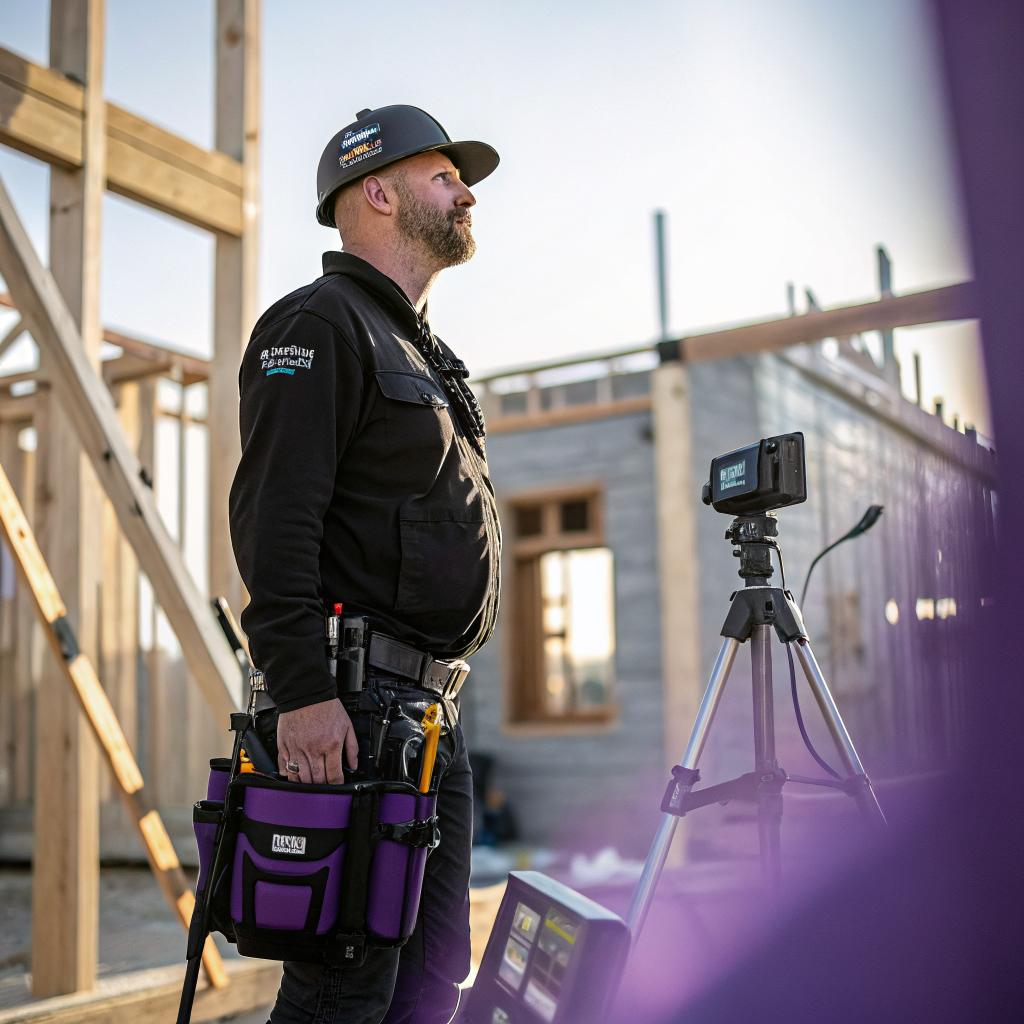
I used to think hiring a contractor was mostly about price and a nice-looking portfolio. Then I watched a friend lose three months and a lot of money because his contractor could not handle basic tech tools or communicate clearly.
If you want a tech savvy general contractor in Bellevue, you should look for someone who uses modern project management software, clear digital communication (email, text, maybe even client portals), accurate digital plans, transparent online estimates, and who is comfortable coordinating with smart home systems and energy tech. In practice, that usually means talking to a few candidates, asking targeted tech questions, checking how they actually run jobs day to day, and then picking the one whose process and communication feel clear and predictable, not just the one with the lowest bid. You can start with a local option like a general contractor Bellevue firm that already builds tech into its process, but still verify that with your own questions.
Why tech savvy matters more than you think
If you read tech blogs, you probably care about tools, systems, and repeatable processes. Construction is one of those fields that still often runs on paper, memory, and vague promises.
That worked when materials were cheaper and timelines were softer. Now, with permit delays, supply chain issues, and a house full of devices that run on your Wi‑Fi, a contractor stuck in the past can slow everything down.
A tech savvy contractor does not just use fancy apps; they run your project in a way that is visible, trackable, and less chaotic for you.
Here is what changes when your contractor is actually comfortable with tech:
- You get clear timelines and updates instead of random phone calls.
- Decisions live in shared documents and drawings instead of text message fragments.
- Smart switches, lighting, and network runs are planned instead of tacked on at the end.
- Costs are tracked in real time rather than “we will reconcile later”.
That does not mean you need someone who is obsessed with gadgets. It means you want someone who treats your remodel a bit like a software project: defined scope, change tracking, version control on plans, and clear communication.
What “tech savvy” actually looks like in construction
A lot of contractors claim they are comfortable with tech because they use a smartphone. That bar is too low.
Here are concrete signs that a contractor is actually tech aware and not just repeating buzzwords.
1. Digital project management, not sticky notes
Ask how they track tasks, schedules, and changes. The details matter here.
Useful questions:
- “What do you use to manage project schedules and tasks?”
- “Can I see what my project will look like inside your system?”
- “How do you track and approve change orders?”
Look for something like:
- A project management tool where you can see milestones and upcoming work.
- Change orders written, priced, and signed digitally.
- Photos logged by date and area of the house.
If their answer is “we just call or text when something comes up,” that is a red flag. Texts are fine as part of communication, but not as the system.
2. Clear digital communication habits
You should not have to guess who is showing up tomorrow or what was agreed on last week.
Ask:
- “How often will I get updates, and in what format?”
- “Who is my main point of contact, and can I reach them by email and text?”
- “Do you document decisions in writing, or do we just talk on site?”
Good signs:
- They send weekly summary emails with schedule, decisions, and any issues.
- They recap important calls in writing so everyone is on the same page.
- They are comfortable sharing photos, drawings, and links by email or a client portal.
Poor signs:
- They resist putting anything in writing.
- They do not check email often and say “just call me” for everything.
- They seem annoyed when you ask them to confirm details in writing.
3. Plans, measurements, and 3D views
You would not write serious code without version control. Big house projects without clear plans are similar. Too much is left to chance.
Ask what they offer:
- Digital floor plans or CAD files.
- 3D views of kitchens or bathrooms.
- Shared marked up drawings when something changes.
Some contractors will bring in a designer or architect for this. That is fine. What matters is that they:
- Work from real drawings, not sketches on a napkin.
- Update those drawings when something changes.
- Share those updates with you before building from them.
If they shrug and say “we have it in our heads” for anything beyond very small work, that is risky.
4. Comfort with smart home and low voltage systems
Your home is not just drywall and lumber anymore. It is also:
- Network runs and access points
- Smart switches, dimmers, and lighting scenes
- Thermostats, cameras, sensors, and maybe a rack of gear
You do not need your general contractor to be the person who programs your scenes or VPN. But they must be comfortable coordinating with whoever does.
Good questions:
- “Do you coordinate with low voltage or AV installers?”
- “When during the project do we plan wiring for network, audio, and sensors?”
- “Can you leave conduit or access paths for future cables if I add devices later?”
If your contractor treats smart home gear as an afterthought, you will end up with random wires, weak Wi‑Fi, and someone cutting into finished walls later.
The best contractors in this space will:
- Ask where you work, stream, and game.
- Suggest dedicated circuits where it makes sense.
- Think about where to hide hubs, routers, and power bricks cleanly.
5. Transparent digital estimates and invoicing
You should be able to read an estimate like you read a spec sheet. Not perfectly, but clearly enough to know what you are paying for.
Ask to see an example bid, even a redacted one.
Look for:
- Line items broken down by area or trade.
- Clear mention of what is excluded.
- Electronic signatures and straightforward terms.
- Online payment options if you prefer that.
If all you get is a one-page number with vague wording, that is harder to manage. Especially when scope creep shows up, which it almost always does.
Questions to ask before you hire someone in Bellevue
Bellevue clients often work in tech or are at least pretty used to tools and dashboards. It is fine to bring that mindset into your remodel.
Here is a set of questions tailored to a tech aware homeowner. You do not need to ask all of them, but pick the ones that match how you like to work.
Questions about process and tools
- “Walk me through how you run a typical project from first visit to final punch list.”
- “What software do you use for scheduling and tracking tasks?”
- “How do you share updates with clients? Email, app, shared folder?”
- “If we agree on a change, where do you record it so we can both see it later?”
You are less interested in the brand name of the app and more in whether they have a clear habit.
Questions about communication
- “Who will I speak with day to day once work starts?”
- “What is your typical response time on email and text during the week?”
- “Do you send weekly or regular project summaries?”
- “How do you handle it if you fall behind schedule?”
If they pretend delays never happen, that is not realistic. You want to hear how they detect problems and tell you early.
Questions about smart home and tech basics
- “Have you worked on projects with smart lighting, thermostats, or integrated audio?”
- “Do you usually partner with a low voltage company or work with the clients installer?”
- “How do you protect network gear and electronics from dust and power issues during work?”
You are not trying to trap them. You just want to see if their answer is practical or vague.
Questions about documentation
- “Will I get updated drawings or photos for the work behind walls?”
- “Can you log what wires and pipes are where so I do not drill into them later?”
- “How do you share that information with me when the project is done?”
Good contractors often give you a small “owner manual” of your project: key photos, paint colors, fixture lists, and similar info. It is surprisingly helpful later.
Red flags that a contractor is not as tech savvy as they claim
People rarely say “I am bad with tech” in sales meetings. You have to watch their behavior.
Here are signals that you might be dealing with someone who talks a good game but does not have the systems to back it up.
Vague or defensive answers about process
If their explanation of “how we manage projects” is mostly about how long they have been in business, that does not tell you much.
Red flags:
- They laugh off the idea of software or organized tracking.
- They jump straight to “you can trust us” instead of showing their method.
- They say “we are more old school” in a proud way for things that clearly need structure.
Experience is good. Experience without process is fragile.
Messy email habits during the quote phase
You can tell a lot from the first two weeks of contact.
Watch for:
- Slow replies to simple questions.
- Missing attachments or files with confusing names.
- Changing dates or times without clear confirmation.
If this part is disorganized, the full project will not magically become clean and predictable.
No comfort with photos, screens, or shared docs
Construction is visual. Tech helps a lot here.
If they:
- Struggle to open or view a shared folder.
- Never send photos of similar work they have done.
- Insist you print everything instead of sharing links or PDFs.
then day-to-day collaboration might be frustrating.
Resistance to written change orders
This one is big.
If a contractor dislikes written change orders, they are asking you to trust their memory with thousands of dollars of scope changes.
Push gently:
- “Can we agree that any change goes into a written, priced document we both sign?”
If they hesitate or say “we do not really need that,” you might want to keep looking.
Comparing tech features between contractors
It helps to see this like comparing specs between two tools. Not to obsess over every detail, but to avoid blind spots.
Here is a simple way to map what each contractor offers.
| Area | What to look for | Good sign | Risky sign |
|---|---|---|---|
| Project tracking | Tasks, schedule, milestones | Shared schedule or app, clear phases | “We keep it in our heads” |
| Communication | How you get updates | Weekly emails, point of contact, response time | Random calls, no written follow up |
| Drawings & 3D | Floor plans and visuals | Digital plans, markups, optional 3D views | Rough sketches, no updates on changes |
| Smart home | Handling modern devices | Experience with low voltage and coordination | “We will just figure it out later” |
| Estimates & billing | Money tracking | Line item bids, digital invoices, clear terms | Lump sum, vague wording, handwritten invoices |
| Documentation | What you keep after the job | Photos of walls, lists of products, paint colors | No records once they leave |
You do not need perfection in every row. But you probably want at least “good” in project tracking, communication, and estimates.
Balancing tech skills with craftsmanship
I have seen some homeowners go too far toward tech. They pick the contractor with the coolest client portal and cleanest website, then later find sloppy tile work or weird trim details.
That is the other side of this. You still need someone who can build.
Think about it like hiring an engineer. You want someone who is good at tools, but also has taste and discipline in how they solve problems.
How to check build quality without being an expert
You do not need trade skills, but you can still see clues.
Ask for:
- At least three recent local projects you can see in person or in detailed photos.
- Names and contacts of clients who did similar work.
- Close-up photos of finishes, not just wide glamor shots.
When you look:
- Check if lines are straight, grout is even, and transitions look intentional.
- See how outlets, vents, and switches line up with tile or trim.
- Notice how they handled tricky corners and edges.
If something feels “off,” ask them to explain how they handle details. You do not have to phrase it perfectly. Even your curiosity is a signal to them that quality matters.
Weighing trade-offs in the real world
You might find:
- Contractor A: Great systems, average craftsmanship.
- Contractor B: Strong craftsmanship, weaker tech.
- Contractor C: Medium on both, but very honest and clear.
I would usually pick someone who:
- Communicates clearly, even if their tools are simpler.
- Shows evidence of quality and owns their mistakes.
- Is willing to adapt slightly to the way you like to work.
Perfect tech tools do not fix poor judgment. And perfect craftsmanship can still go sideways if no one keeps track of decisions.
How to test a contractor’s tech habits before signing
You can treat the early phase as a trial run. Watch not only what they say, but how they behave across a few interactions.
Mini “tests” you can run naturally
You do not have to say you are testing them. Just do these things and see how they respond.
- Send a short follow-up email with 3 clear questions and see how they answer.
- Ask for an updated estimate after a small change in scope.
- Request a simple sketch or markup for a tricky area.
- Ask how they would share weekly updates on your project.
You are looking for:
- Timely, direct replies.
- Answers that reference your questions point by point.
- Basic comfort with sending or receiving files.
- No obvious frustration when you ask for clarity.
If they are already dropping threads or forgetting what you said before you sign a contract, it will not improve later.
Set expectations clearly in the contract
Many people sign contracts that only talk about price and scope, not about process.
You can ask to include short, practical language such as:
- “Contractor will send weekly written updates summarizing work completed, work planned, and open decisions.”
- “All change orders will be provided in writing with scope, cost, and schedule impact before work on that change begins.”
- “Contractor will provide at least 3 business days notice for any planned shutdown of water, power, or network.”
If a contractor resists simple expectations like that, and you are not asking for anything extreme, then their way of working may not match yours.
Special tech considerations for Bellevue homes
Bellevue has some specific quirks that affect home projects, especially if you care about tech.
Network planning in homes with lots of devices
Open layouts, multiple floors, and growing device counts can strain Wi‑Fi.
During planning, talk through:
- Where you work from home and where you need strong coverage.
- Any rooms you use for media, gaming, or meetings.
- Places where you might later add cameras or sensors.
Ask your contractor to:
- Coordinate with whoever manages your network if you have one.
- Run conduit or spare lines to key spots when walls are open.
- Protect existing cables during demolition and drywall work.
This is not very expensive compared to retrofitting later.
Energy, heating, and comfort
Winters are damp, summers can get pretty warm now, and many people here care about power use.
Your contractor should be comfortable with:
- Smart thermostats and zoning basics.
- Air sealing and insulation upgrades during remodels.
- Coordinating with HVAC and solar contractors if involved.
Ask for simple, concrete steps, not buzzwords. For example:
- “If we open this wall, is there an insulation or air sealing upgrade that makes sense?”
- “Where should we put the thermostat for accurate readings?”
- “Can we avoid blocking future solar or battery options with roof penetrations?”
Permits and local rules
Permits in the region sometimes take time, and code rules can be strict.
A tech aware contractor can:
- Submit documents electronically.
- Track permit status without constant guessing.
- Communicate clearly when the city asks for changes.
Ask:
- “Who handles permits and inspector visits on your team?”
- “How do you keep clients informed about permit timelines?”
- “Have you had projects in Bellevue in the last year, and did any run into code surprises?”
The point is not to scare yourself, but to see how they talk about real constraints.
Working with your contractor once the project starts
Choosing the contractor is only the first part. The way you work with them affects the outcome a lot.
Set your own “interface” clearly
You do not need to micro-manage, but you should define how you like to interact.
Share:
- How often you want updates (daily, weekly, only on changes).
- Your preferred channel for different things (text for quick items, email for decisions).
- Any time windows when contact is or is not ok.
You can say something like:
“I care about details and I work in tech, so I prefer decisions and changes in writing. It helps me keep track. I do not need long messages, just something I can search later.”
A good contractor will usually appreciate that clarity.
Use simple structures, not complex systems
It can be tempting to overdo it: shared Kanban boards, custom trackers, long email chains.
Try a lighter approach:
- One shared folder for drawings, photos, and documents.
- A single email thread per major area of work (kitchen, bathroom, exterior).
- A weekly check-in where questions and decisions are listed.
Push for consistency more than complexity. A basic shared checklist that everyone uses is better than a perfect tool that no one updates.
Handling changes without chaos
Changes will come up. Sometimes you see something mid-build and want to change course. That is normal.
What you want is a clear pattern:
- You discuss the idea.
- They respond with how it affects cost and schedule.
- You agree in writing before work on that change starts.
If they start doing “small favors” for free without documenting them, it can feel kind in the moment, but it erodes clarity. It is like hacking in quick fixes without updating the main codebase.
Common questions about choosing a tech savvy contractor in Bellevue
Q: Do I really need a tech savvy contractor, or is experience enough?
Experience matters a lot. But when projects involve many choices, devices, and schedule constraints, lack of basic tech habits can create real friction. If your project is small and simple, you can probably live with a more old-school contractor if they communicate clearly. For bigger remodels, tech comfort is less of a bonus and more of a baseline.
Q: Is a contractor with fancy software always better?
No. Some firms invest in expensive tools but still run messy jobs. Pay more attention to how they actually use their tools. Do they send clear updates? Are their estimates readable? Do they respond predictably? The tool is less important than the habit.
Q: How much should I weigh price versus tech skills?
If one contractor is slightly more expensive but has clear systems, documented changes, and predictable communication, that can easily save you money and stress over the life of the project. I would not pay a massive premium for software alone, but I would avoid the rock-bottom bid from someone who works with no structure.
Q: What if the contractor is great on craftsmanship but weak on tech?
You have a choice. You can:
- Support them by providing simple structure yourself, like shared folders and basic checklists, if they are open to it.
- Decide that the potential confusion is not worth it for this project size.
If they are honest, responsive, and willing to meet you halfway, it can still work. If they resist any structure, you are taking on more risk.
Q: How early in the process should I ask about tech and process?
Very early. Right in the first or second conversation. It saves time for both of you. If your expectations do not match, you can both move on without wasting weeks on bids and revisions.