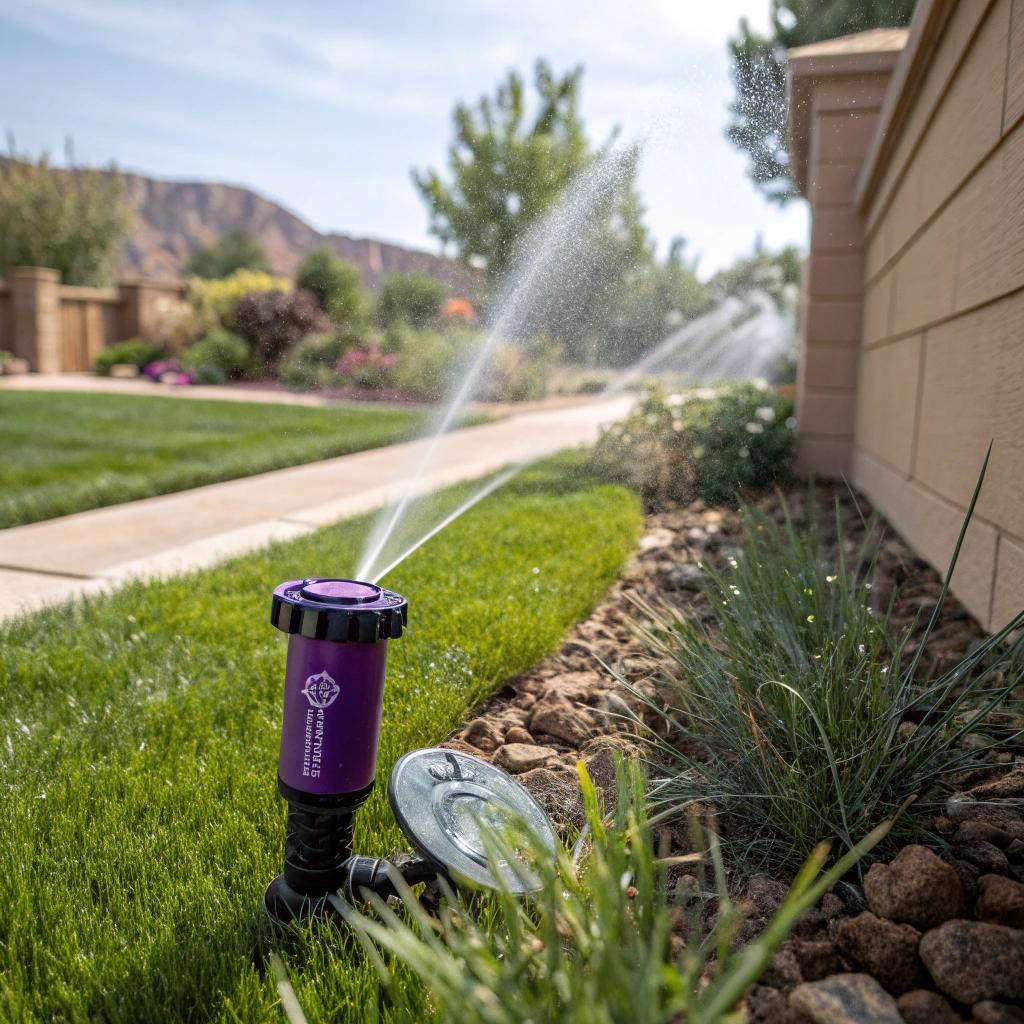
I used to think irrigation was just about setting a timer and hoping for the best. Then I moved to a dry, high-altitude city and watched half a lawn die in one summer because the schedule was wrong and the tech was dumb.
If you just want the fast answer: in Colorado Springs you need a system that reacts to weather, soil, and seasons, not a fixed timer. That means using smart controllers, soil moisture sensors, proper zoning, and seasonal tweaks, plus solid hardware support from local pros like Colorado Springs irrigation specialists, and then backing all of that up with a bit of data and some simple automation habits.
Why Colorado Springs Is Hard On Irrigation, Even If You Love Tech
Colorado Springs looks like it should be friendly to lawns and gardens. It is not.
You have:
- High altitude and stronger sun
- Low humidity most of the year
- Fast swings in temperature
- Clay or rocky soils in many neighborhoods
- Water restrictions in some seasons
That combination dries out soil fast. The UV is harsh. Water can run off before it sinks in. And your sprinklers need to survive freeze-thaw cycles and early cold snaps.
So the usual “set it and forget it” timer approach is almost guaranteed to waste water and still leave dry spots.
This is where tech actually helps, not as a gimmick, but as a way to match your watering to local conditions in a pretty precise way.
If you live in Colorado Springs and still run a fixed schedule all season, you are almost certainly overwatering some zones and underwatering the rest.
The goal is not to buy every new gadget. The goal is to make your irrigation act more like a simple, local, weather-aware system that adjusts itself with minimal effort from you.
Smart Controllers: The Brain Of A Modern Irrigation Setup
Smart controllers are the obvious entry point for tech people. They feel like a router for your water system: boring hardware until it is configured well, then surprisingly powerful.
What A Smart Controller Actually Does For You
Most smart controllers do a few key things:
- Connect to Wi‑Fi so you can manage schedules from your phone or browser
- Pull local weather data and adjust watering based on rain, temperature, and wind
- Let you create zones with different schedules for grass, shrubs, beds, trees
- Support “cycle and soak” to prevent runoff on sloped or clay areas
- Offer logs and reports so you can see how much water each zone uses
Some models also support flow meters and soil sensors, but you do not need everything at once. If you are starting fresh, aim for a controller that at least:
- Has a clear app with per‑zone settings
- Supports weather based watering
- Lets you set root depth and soil type
- Exports basic data or at least shows weekly and monthly usage
For Colorado Springs, any controller that ignores local weather is already behind. Weather awareness is not a premium feature here, it is baseline.
Weather Data: Local Enough To Matter
With irrigation, “local” weather is not just the city average. Conditions can change a lot between, say, the west side near the mountains and the eastern plains.
Controllers handle this in a few ways:
- Using public weather stations (airport, local stations)
- Letting you select a nearby station manually
- Allowing add‑on rain sensors for real backyard data
If you are a data person, you might find yourself checking which station your controller is using and whether its readings match your experience. That is not overkill in this climate.
If your controller allows it, pick a station closest in elevation and geography to your home. Airport data can be misleading for neighborhoods tucked closer to the mountains.
How Aggressive Should Weather Adjustments Be?
Most smart controllers offer some kind of seasonal or weather adjustment percentage. You can treat this like a gain knob.
For Colorado Springs, a simple rule of thumb:
- Cool spring days: 60 to 70 percent of peak summer watering
- Peak hot, dry summer: 100 percent
- Late summer with storms: 80 to 90 percent
- Fall: ramp down weekly until you shut off for winter
You do not have to dial this in perfectly on day one. Start with the default, watch a couple of weeks, then bump up or down by 10 percent if you see stress or soggy areas.
Sensors: Make Your Yard Talk Back To You
Smart controllers react to estimated conditions. Sensors react to real ones.
You can go overboard with sensors and then get bored of managing them. A practical setup for Colorado Springs is usually pretty simple.
Soil Moisture Sensors: When Data Actually Helps
Soil moisture sensors can keep you from guessing whether your yard is dry or just looks a bit dull.
There are two useful approaches:
- Wireless probes buried in key zones
- Occasional manual measurements, if you like gadgets but not subscriptions
For wireless sensors, try to:
- Place them at the root depth of what you are watering
- Use different sensors for lawn vs shrub or tree zones
- Start with one or two zones that usually give you trouble
If you are not sure about root depth, lawn roots often sit between 4 and 6 inches when healthy. Many shrubs and perennials go deeper, and trees deeper still.
Sensors help most when you let them interrupt watering. If soil is already moist enough, skip the cycle. This matters in summer storms, which can be intense but patchy.
Rain And Freeze Sensors: Simple But Useful In Colorado Springs
Rain sensors are not glamorous, but they are perfect in a place where an afternoon storm can drop a lot of water on your yard right before your scheduled cycle.
Freeze sensors are more about protection. Water running through exposed pipes when the air is near freezing can cause real damage.
Some controllers pull freeze data from the internet. That is helpful, but a local sensor that cuts off watering near freezing gives you more safety, especially during surprise cold snaps in spring and fall.
Zone Design: The Part Most People Skip, But Should Not
Smart tech cannot fix a badly designed system. If one zone covers both full sun and deep shade, you will always be compromising.
The smartest controller in the world cannot undo poor zoning. Software cannot fix water going to the wrong place from the wrong head at the wrong angle.
Think In Microclimates, Not Just Areas
If you care about dialing things in, think about microclimates in your yard:
- Full sun lawn, especially facing south or west
- Shady lawn areas under trees or next to taller houses
- Beds with mulch that holds water longer
- Rock beds that heat up and dry soil faster
- Slopes where water runs off quickly
Each of these deserves different run times, frequencies, and sometimes different sprinkler heads or drip setups.
If you are planning upgrades or repairs, ask if zones can be split or heads changed to match these patterns better. Tech works better on a system that already matches reality.
Choose The Right Delivery: Spray, Rotor, Or Drip
This is where some simple hardware choices matter more than another smart feature.
| Type | Best for | Pros | Cons |
|---|---|---|---|
| Fixed spray heads | Small, flat lawn areas | Even coverage, short run times | More misting and wind drift, can waste water in dry air |
| Rotors / rotary nozzles | Larger or sloped lawns | Slower application, better soak, less runoff | Longer run times to deliver same water |
| Drip irrigation | Beds, shrubs, trees | Direct to soil, less evaporation, great for dry climates | Can clog, needs occasional checks, hidden leaks are harder to see |
For Colorado Springs, rotary nozzles and drip lines are usually better for water use than classic high spray heads. With low humidity and frequent wind, high sprays lose more water before it ever hits soil.
Scheduling For Colorado Springs: Less Guessing, More Patterns
Smart tools help, but you still need a basic schedule strategy that fits local conditions.
Early Morning Wins Almost Every Time
Watering at night can invite fungus, especially if the air is still. Watering in the middle of the day leads to more evaporation.
Early morning is usually the sweet spot:
- Less wind
- Cooler air
- Leaves and blades dry out quickly after sunrise
- Water has time to soak into the root zone
Aim for somewhere between 3 a.m. and 8 a.m., depending on water pressure in your area and how many zones you run.
Cycle And Soak For Clay And Slopes
Many parts of Colorado Springs have clay or compacted soils. Water does not sink in very fast. If you leave a zone on for 20 solid minutes, much of that water may run off.
Cycle and soak helps:
- Break a long run into shorter cycles
- Let soil absorb water between cycles
- Reduce runoff into sidewalks and streets
Example for a sloped lawn zone:
- Instead of one 18 minute run
- Use three 6 minute runs, spaced 20 minutes apart
Many smart controllers let you enable this directly. If yours does not, you can fake it with extra start times.
Seasonal Adjustments That Actually Match Colorado Springs
A simple seasonal pattern looks like this:
| Season | Typical frequency (lawn) | Typical depth per week | Notes |
|---|---|---|---|
| Early spring | 1 to 2 days per week | 0.5 to 0.75 inches | Soil still cool, roots waking up |
| Late spring | 2 to 3 days per week | 0.75 to 1 inch | Watch for wind and first hot spells |
| Peak summer | 3 days per week | 1 to 1.25 inches | Increase cycle times, not daily frequency |
| Late summer storms | 2 to 3 days per week | 0.75 to 1 inch | Let weather skips do their job |
| Fall | 1 to 2 days per week, then taper | 0.5 to 0.75 inches | Prepare for shutoff and winterization |
These are ballpark numbers, not rules. The point is to water deeply but not every day, especially in summer. Deeper, less frequent watering encourages deeper roots, which helps your lawn survive heat and brief watering cuts.
Winterization And Spring Startup: The Un‑fun But Critical Part
If summer is about tuning, fall in Colorado Springs is about survival. Pipes and heads do not like trapped water during freezes.
Why Blowing Out Lines Matters Here
People argue about whether you always need a blowout. In some climates, you can get away with just draining low points.
Colorado Springs is not forgiving. Sudden hard freezes can arrive earlier than you expect. Expansion from ice can crack pipes, fittings, and even damage valves.
So, yes, a proper sprinkler blowout is a big deal here. Compressed air pushes water out of the lines so there is nothing left to freeze.
If you like tools and know what you are doing, you can buy or rent an air compressor and handle this yourself. Many people try it once and then decide to hire it out next year, which is also fine.
The real key is timing:
- Do not wait until the first big storm is already on the radar
- Plan blowout for mid to late fall, earlier if long term forecasts look cold
Controller Settings During Winter
Once the system is off and lines are blown out:
- Disable automatic schedules
- Back up or export your schedule if your controller allows it
- Check Wi‑Fi or firmware updates over winter while everything is quiet
Winter is a good time to tweak names for your zones, add notes, or analyze the logs from summer. That sounds a bit obsessive, but for tech people it can be weirdly satisfying.
Spring Startup: Do Not Rush
It is tempting to turn everything back on during the first warm week. That can be a mistake.
You want:
- Ground thawed to a consistent depth
- Less risk of a severe cold snap in the short term forecast
When you do start up:
- Turn water supply on slowly, watch the meter
- Run each zone manually while you walk the yard
- Look for geysers, leaks, misaligned heads, and clogged nozzles
- Adjust heads to keep water off sidewalks, driveways, and fences
This manual check once a year is more valuable than any single tech feature. If your controller supports a “zone walk” mode or test mode, use that.
Data, Logs, And Light Automation For Tech‑Minded Owners
If you like numbers, you can absolutely treat your yard a bit like a local system to monitor.
Simple Metrics Worth Tracking
You do not need a full home lab. A few simple numbers can guide you:
- Weekly water applied per zone
- Number of weather skips per month
- Flow per minute per zone, if you have a flow meter
- Manual overrides you had to do, and why
A basic spreadsheet with dates, rough temps, and any visible stress in the lawn can help you tune schedules across seasons. This sounds nerdy, and it is, but over a couple of years it pays off.
Detecting Leaks Or Broken Heads With Data
If you add a flow sensor, you can notice:
- Zones that suddenly use more water than before
- Hidden leaks in drip systems
- Valves that stick open or closed
Many smart controllers can alert you to abnormal usage. The first time you catch a leak quickly instead of getting a giant water bill, you will be glad you set it up.
Light Automation: Integrating With The Rest Of Your Smart Home
You can connect irrigation to other parts of your home, but it is easy to go too far and build something fragile.
Reasonable integrations:
- Pausing watering when outdoor motion sensors see pets or kids in a zone
- Sending yourself a message when a cycle is skipped due to weather
- Triggering a shorter manual cycle from a voice assistant after new seeding
Less useful, honestly:
- Complex rules based on indoor sensors
- Overly chatty alerts for every single cycle and skip
Try to build only the automations you will still care about in six months. If it sounds clever but you cannot explain why you need it, you probably do not.
Balancing Tech With Local Know‑How
There is a small trap here. When people love tech, they sometimes trust the app more than the grass in front of them.
Smart irrigation works best when it cooperates with local knowledge, not when it replaces it.
If your lawn looks stressed, believe your eyes first and your schedule second.
You might see:
- Gray‑blue patches of grass in the afternoon
- Footprints that stay pressed in instead of springing back
- Dry, dusty soil under the thatch layer
Those are classic signs of drought stress, even if your controller claims everything is fine.
Likewise, mushrooms, constantly soggy areas, or that sponge‑like feel underfoot point to overwatering, even if your schedules look conservative.
In those cases, adjust:
- Increase or decrease runtime in small increments
- Change frequency while keeping weekly totals in mind
- Check spray patterns for blocked or misaligned heads
You do not have to pick between local pros and gadgets. Many Colorado Springs irrigation companies have seen dozens of systems like yours in local soils and can spot issues quickly. Then your tech can keep things stable day to day.
A Few Practical Setups For Different Types Of Tech Owners
Not everyone wants the same level of control. Here are three realistic setups.
The “Set It Smart, Then Leave It” Setup
For people who like tech but do not want a second job:
- Wi‑Fi smart controller with weather awareness
- Separated zones for sun, shade, and beds
- Cycle and soak enabled on sloped or clay zones
- Rain sensor wired in
- Professional blowout and spring startup check once a year
You spend some time the first season tuning things. After that, you glance at the app a few times a month and change very little.
The “Data Curious” Setup
For people who like graphs but do not need full automation:
- Everything in the previous setup
- At least one soil moisture sensor on a problem zone
- Water use reports turned on and exported seasonally
- Simple spreadsheet to track big changes in schedule and visible lawn health
This lets you correct over the years, not just react week to week.
The “Tinker And Automate” Setup
For people who enjoy small projects:
- Smart controller that exposes an API or integration with your home hub
- Flow sensor added to the main line
- Zone‑based rules for pausing when kids are outside
- A couple of dashboard panels tracking weekly water and skips
The warning here is simple: do not build something so complex that nobody in your house can water the lawn if your script breaks or your Wi‑Fi goes down.
Common Mistakes Even Smart Systems Make In Colorado Springs
Technology does not prevent mistakes; it sometimes hides them behind a nice interface.
Some of the most common issues:
Over‑trusting Default Programs
Smart controllers ship with default schedules that may not match Colorado Springs at all. They sometimes assume heavier soils, gentler sun, or different humidity levels.
Use defaults as a starting point, not as truth. Adjust after watching a couple of weeks in each season.
Ignoring Wind
Many systems do not handle wind very well. But wind can push spray off target and dry droplets mid‑air.
If your controller offers wind skip, enable it. If it does not, you can adjust by:
- Using lower angle nozzles
- Switching some areas from spray to rotary
- Watering earlier in the morning when air is calmer
Mixing Head Types In One Zone
Different head types apply different amounts of water per minute. If you mix them in one zone, either some areas get too much or some get too little.
If you inherited such a system, you do not have to fix it overnight. Start by standardizing the worst zone each year when you do repairs. Over time, each zone should use one head type with matched precipitation rates.
Bringing It All Together: A Realistic Season Walkthrough
To put this into a more practical flow, imagine a full year with a smart system in Colorado Springs.
Early Spring
You:
- Turn the water back on and walk each zone
- Fix obvious leaks and straighten heads
- Load last year’s schedule in the controller
- Trim runtimes down to 60 to 70 percent and watch the lawn for a couple of weeks
The system:
- Skips a few cycles when cold rain moves through
- Runs shorter early morning cycles on your set days
Late Spring To Early Summer
You:
- Bump schedules up a bit when days get hotter and longer
- Test soil moisture to confirm water is reaching root depth
The system:
- Adjusts based on warmer temps and less frequent rain
- Uses cycle and soak to avoid runoff on your sloped side yard
Peak Summer
You:
- Check the lawn weekly for stress patches
- Add a minute or two on hot spots, reduce a little on always‑wet corners
The system:
- Runs early mornings, three times per week for most lawn zones
- Gives beds and shrubs longer but less frequent drip runs
- Skips cycles after those occasional evening storms
Late Summer To Early Fall
You:
- Lower runtimes by 10 to 20 percent as nights cool
- Plan your winterization date with a local service or your own compressor
The system:
- Still follows the weather, but water demand naturally drops
Fall And Winter
You:
- Shut off water, have lines blown out
- Disable schedules and review usage from the year
The system:
- Sits idle while you maybe tweak Wi‑Fi, firmware, and zone names
By the second or third year, this rhythm feels normal. You spend less time guessing and more time just doing small course corrections.
Quick Q&A: Common Questions From Tech‑Minded Homeowners
Does a smart controller actually save water in Colorado Springs?
Usually, yes, if you use the weather and seasonal features. Many people overwater by default. After a season or two of tuning, it is common to cut water use while keeping the lawn in better shape. It is not magic, but it reduces waste from watering after storms or during cool periods.
Is a soil moisture sensor worth it, or is it just a gadget?
For at least one tricky zone, it is worth it. It gives you direct feedback instead of guessing from surface color alone. Once you learn how your soil behaves, you might rely on it less, but it is a good calibration tool.
Can I use only drip irrigation and skip sprinklers completely?
For beds, shrubs, and trees, drip is great in this climate. For lawns, drip is harder and more expensive to get right. You can do it, but most people still use sprinklers for grass and drip for everything else.
How often should I change my irrigation schedule?
Think in seasons, not days. Adjust when you feel a real shift: early spring, late spring, peak summer, early fall. Let the controller handle shorter term changes based on rain and temperature.
Is all of this overkill for a small yard?
Not really. A small yard can still waste a lot of water if run badly, and repairs are still annoying. You probably do not need sensors everywhere, but a smart controller and a simple, well‑checked system make sense at almost any size.
What part of your current watering setup bothers you the most right now: the water bill, the dead spots, or the feeling that the schedule never matches the weather?